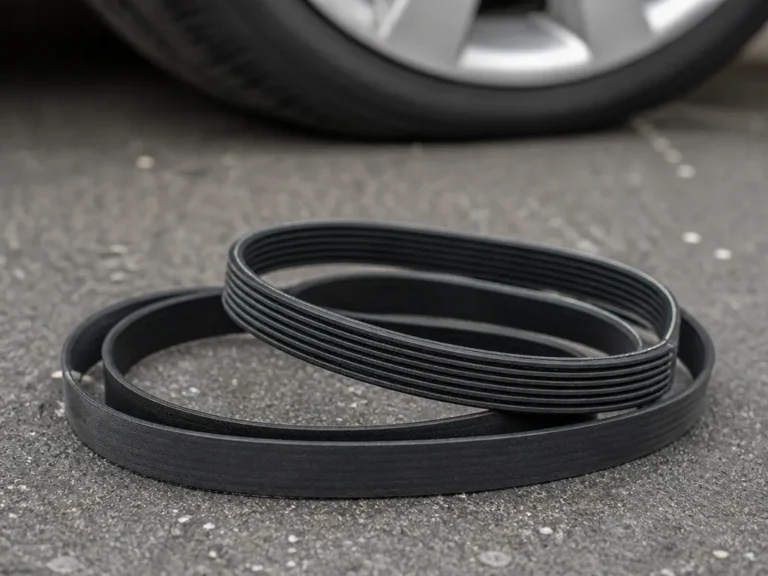

How Often Replace Serpentine Belt: Mileage, Signs, Costs
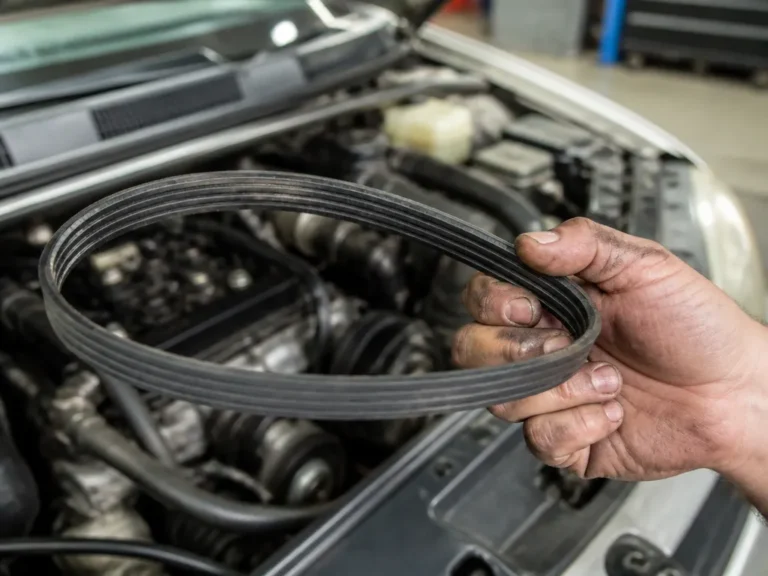
Replace a serpentine belt when it shows structural damage, slips, or causes accessory symptoms, even if the vehicle has relatively low mileage. Cracks, frayed edges, glazing, missing ribs, rib separation, or exposed cords are reasons to arrange replacement promptly. Have the pulleys and tensioner inspected as well, because a damaged component can ruin a new belt.
There is no reliable universal mileage or age interval for every vehicle. Some manufacturers specify replacement, while others specify inspection. Use the owner’s manual or vehicle-specific service schedule as the primary guide. If no interval is listed, have the belt assessed during routine maintenance and replace it when its condition or operation is no longer acceptable.
How Often Should A Serpentine Belt Be Replaced?

A serpentine belt should be replaced according to the vehicle manufacturer’s schedule, if one is provided, or when inspection finds damage or abnormal operation. There is no evidence here to support a universal mileage or year range that applies to all vehicles. Treat any generic interval as a prompt to check the manual, not as a guarantee.
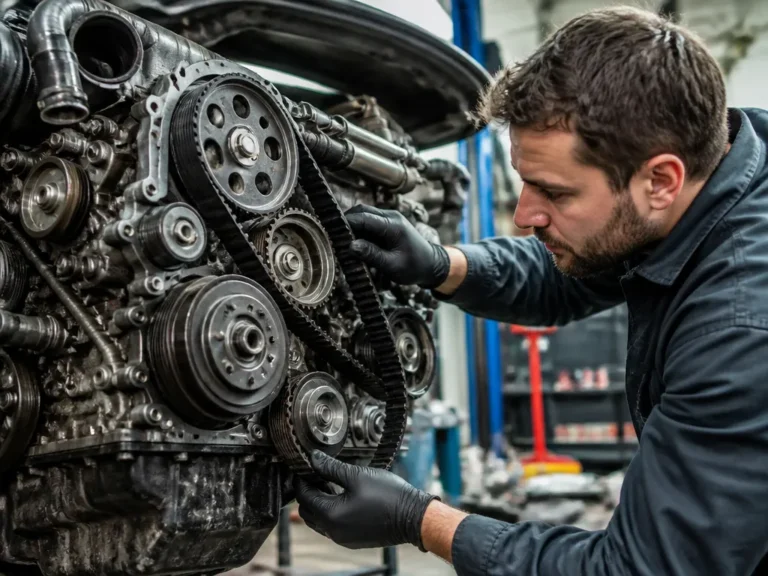
How Is A Serpentine Belt Different From A Timing Belt?
Serpentine belts and timing belts perform different jobs, so their failure consequences and replacement schedules should not be confused.
Why Replacement Schedules Are Not Interchangeable Between Belt Types
Serpentine belts are accessory-drive components. Their condition can often be assessed through visible wear, tracking, noise, and the operation of the accessories they drive. Timing belts are synchronization components, so their service instructions depend heavily on engine design and must be followed exactly.
When ordering parts, verify that the listing identifies the correct belt and engine application. A serpentine drive belt is not a substitute for a timing belt, and neither should be serviced according to the other component’s schedule.
What Factors Influence Serpentine Belt Life And Replacement Timing?
Belt life depends on the belt’s condition, its operating environment, and the condition of the drive system. Mileage alone is an incomplete way to judge replacement timing.
If the belt has been exposed to contamination or the drive system shows abnormal movement or noise, shorten the decision process. Have the belt and its related components inspected instead of waiting for a generic mileage target.
Should You Follow The Owner’s Manual Or A Generic Interval?
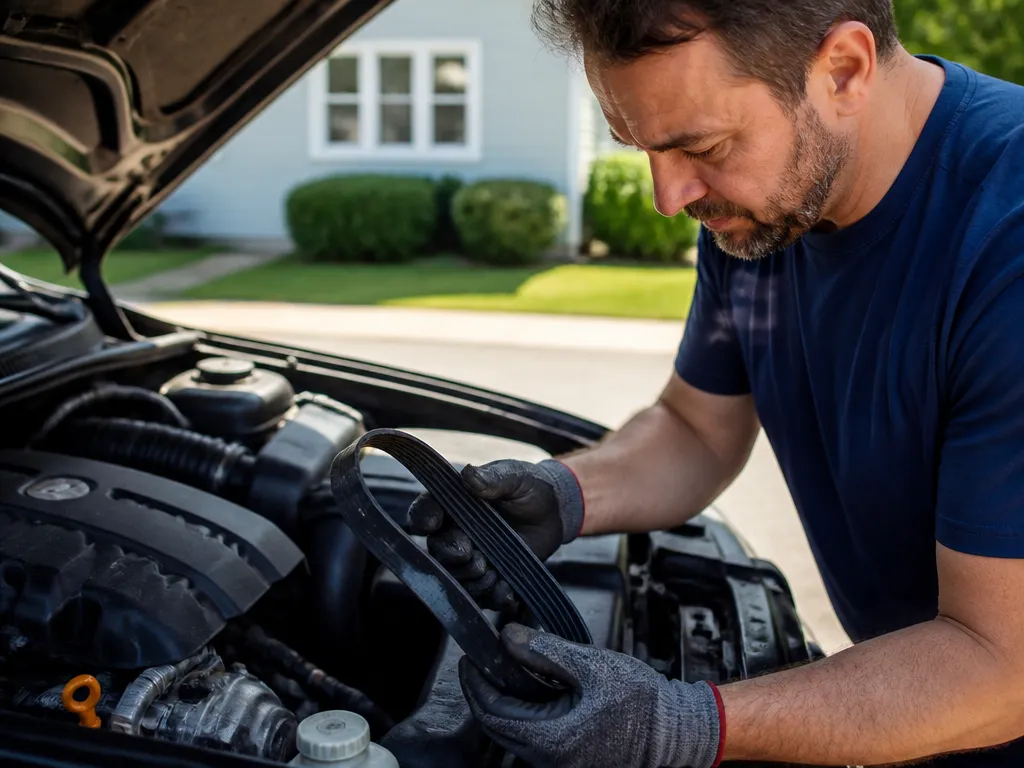
The owner’s manual and manufacturer service schedule take priority over generic mileage or age advice. They reflect the vehicle’s belt routing, accessory arrangement, tensioner design, and operating requirements. If the manual is unavailable or does not list a replacement interval, rely on a condition inspection by a qualified technician.
| What the service schedule says | What you should do | When you act sooner |
|---|---|---|
| Replace at a set interval (miles and/or years) | Plan replacement before the stated point. | Any structural damage, contamination, or failure symptom appears. |
| Inspect at intervals rather than replace automatically | Examine the belt and drive components at the scheduled inspections. | Cracks, fraying, glazing, exposed cords, missing ribs, rib separation, or contamination appears. |
| Replace after a condition trigger | Apply the inspection criteria in the manual and replace when the belt fails them. | Misalignment, abnormal pulley noise, slipping, belt flutter, or overheating occurs. |
An inspection-based schedule does not mean waiting for the belt to fail. It means the belt’s condition determines the decision. Two vehicles with similar age or mileage can need different treatment because their belts may have experienced different heat, contamination, and pulley conditions.
How To Read Service Charts That Say “Inspect” Rather Than “Replace”
“Inspect” is a decision point, not permission to ignore the belt. Look for cracks, fraying, glazing, missing ribs, rib separation, exposed cords, contamination, poor tracking, and signs of slipping or abnormal tension.
If the belt passes the manufacturer’s inspection criteria, keep following the schedule. If it fails, arrange replacement and have the tensioner, idlers, and driven accessories checked before a new belt is installed.
What Signs Mean You Must Replace The Belt Now?

Visible structural damage or a symptom suggesting loss of belt grip warrants prompt action. A belt problem can quickly become a charging failure, loss of another belt-driven accessory, or overheating, depending on the vehicle’s design.
Replace the belt promptly when it shows structural damage, and stop driving when it is slipping badly, loose, shredded, or linked with overheating or a charging warning. Mileage and age should not override these signs.
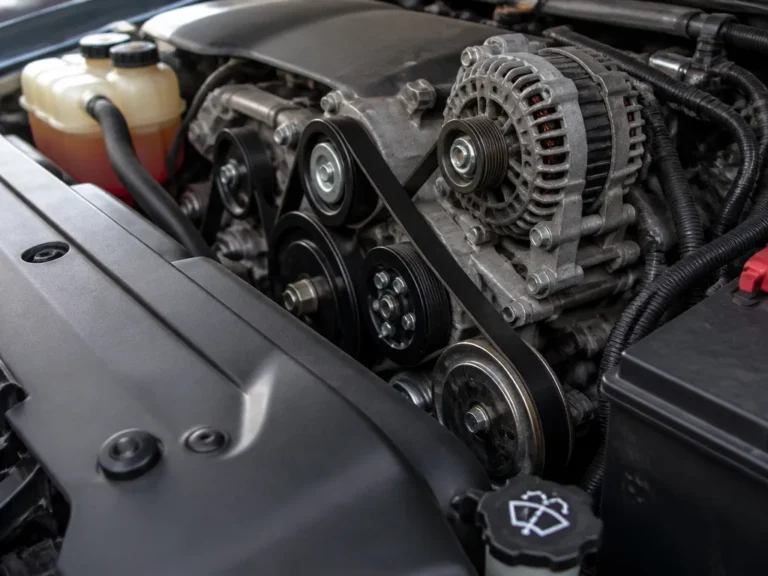
What To Inspect On The Belt And Its Drive Components?
Inspect the belt and the components that guide, tension, and drive it. Perform a visual check with the engine switched off and cool. Keep hands, clothing, and tools away from the belt path, especially when the engine is running.
| Component | What to check | Action if abnormal |
|---|---|---|
| Serpentine belt | Cracks, fraying, glazing, exposed cords, missing ribs, rib separation, soft spots, or oil and coolant contamination | Replace the belt and find the source of contamination |
| Belt tension and tracking | Loose span, belt slap, wandering on a pulley, or abnormal movement | Inspect the tensioner, pulley alignment, and belt routing |
| Automatic tensioner | Uneven movement, a tilted arm, spring damage, noise, or excessive vibration | Have it tested and replace it if worn |
| Idler pulleys | Wobble, rough rotation, grinding, squealing, or a damaged pulley surface | Replace the faulty pulley and inspect belt alignment |
| Driven accessories | Resistance, seizure, wobble, or unusual noise from the alternator, air-conditioning compressor, power-steering pump, or belt-driven water pump | Diagnose the accessory before fitting a replacement belt |
The belt should sit fully in the pulley grooves and follow a consistent path. Edge wear, black dust, flutter, or movement toward one side can indicate a tracking, tension, alignment, or pulley problem rather than a belt-only problem.
Check The Tensioner, Idlers, And Accessories
With the belt removed, a technician can rotate the idlers and belt-driven accessories to check for rough bearings, binding, and excessive play. The alternator, air-conditioning compressor, power-steering pump, and belt-driven water pump should be assessed where they are part of the belt route.
Do not use belt dressing to conceal noise or surface damage. If contamination, abnormal tension, pulley wobble, or a seized accessory is found, repair that cause along with replacing the belt.
What Actions Should You Take If The Belt Is Damaged Or Failing?
Stop driving and arrange inspection if the belt is shredded, loose, slipping, or associated with overheating or a battery warning. A failed belt may stop driving the alternator, water pump, or other accessories, depending on the vehicle’s design.
What Are Typical Costs For Belt-only Vs Belt-plus Tensioner?
No dependable universal price range is available here. The cost depends on the vehicle, location, labor rate, belt access, parts selected, and whether a tensioner, pulley, or accessory also needs repair. Belt-only work is generally a smaller job than work that includes additional components, but request a vehicle-specific quote.
| Repair scope | What the estimate should include | Price guidance |
|---|---|---|
| Belt only | Replacement belt, removal and installation, routing check, and final tension check | No reliable universal range; request a vehicle-specific quote |
| Belt plus automatic tensioner | Belt, tensioner assembly, installation, and confirmation that the belt tracks correctly | More than belt-only work because it includes another part and additional labor |
| Belt plus idler pulley or pulleys | Belt, one or more idler pulleys, installation, and alignment checks | Higher when multiple pulleys require replacement |
| Belt-drive accessory repair | Belt work plus diagnosis or replacement of a seized or damaged accessory | Requires a separate inspection and quote |
Access affects labor. A belt that is easy to reach may require less work than one routed behind other engine components. Ask the shop to separate parts, labor, diagnosis, and any additional repair in writing.
The least expensive quote is not always the best repair. Leaving a failing tensioner, pulley, or accessory in place can damage the replacement belt and lead to another repair.
What Is The Practical Rule For Serpentine Belt Maintenance?
Check the serpentine belt during routine maintenance, follow the vehicle-specific schedule, and replace it when inspection finds structural damage or unsafe operation. This is more reliable than treating an unsupported mileage or age figure as a guarantee.
| Maintenance reference | What to do | Decision |
|---|---|---|
| Routine service | Inspect the belt and visible drive components | Replace or investigate damage, abnormal movement, noise, or contamination |
| Generic guidance | Use only as a prompt to check the vehicle-specific schedule | Do not override the manufacturer’s instructions |
| Owner’s manual or service schedule | Follow the listed replacement or inspection instruction | Use this as the controlling maintenance plan |
| Visible structural damage | Arrange replacement and check the drive system for the cause | Do not wait for a mileage or age guideline |
A vehicle that specifies inspection rather than scheduled replacement still needs those inspections performed. Cracks, fraying, glazing, missing ribs, rib separation, exposed cords, contamination, slipping, or abnormal tracking require attention regardless of mileage.
Keep the belt type clear in the maintenance record. The serpentine belt drives external accessories, while the timing belt belongs to the engine’s timing system. Their schedules are separate.
Record the inspection date, belt condition, and any noise or warning light reported by the driver. If the belt is slipping, loose, shredded, or associated with overheating or a charging warning, stop using the vehicle and arrange inspection.
Quick Summary
There is no single serpentine-belt replacement interval that can be supported for every vehicle. Check the owner’s manual or manufacturer service schedule. If it gives only an inspection instruction, let the belt’s condition and operation determine the decision.
Have the tensioner, idler pulleys, and belt-driven accessories assessed with the belt. Worn hardware can damage a replacement belt. The next step is to check the manual for the correct belt instruction and arrange an inspection if the schedule is unclear or the belt shows damage.
Frequently Asked Questions
How Can I Verify That A Shop’s Stated Maintenance Interval For My Serpentine Belt Is Actually Based On Manufacturer Guidelines?
Compare the recommendation with the belt-drive section of the owner’s manual or the vehicle-specific maintenance schedule. Ask the shop to identify the document or service information supporting the interval and confirm that it applies to your engine and belt routing. If the recommendation cannot be tied to vehicle-specific guidance, ask for a condition-based explanation or seek a second opinion.
Should I Replace A Belt If My Service Schedule Says To Inspect, But I Notice Any Change In Belt Texture Without Visible Tears?
A texture change can be a reason for closer inspection, especially if the belt feels unusually soft, slick, swollen, or glazed. Do not judge it by texture alone if you are unsure. Ask a technician to assess the belt, contamination, tracking, tensioner, and pulleys. Replace it if it fails the vehicle’s inspection criteria or shows other signs of deterioration.
Are There Cases Where Older, High-mileage Belts Are Still Okay, And When Would You Upgrade To A Newer Belt Material?
Some belts may remain serviceable when inspection finds no damage and the drive system is operating correctly, while others deteriorate earlier because of heat, contamination, or pulley problems. Mileage and age alone cannot establish that a belt is safe. A technician should confirm the correct belt specification and whether an alternative material is approved for the vehicle and its routing.
What Should I Do If I Am On A Long Trip And A Belt Warning Appears, But A Nearby Shop Is Far Away?
Pull over safely and check for severe noise, slipping, irregular belt movement, overheating, or a charging warning. If the engine is running hot or the charging warning is illuminated, switch off the engine when safe and arrange roadside assistance or a tow. If no warning symptom is present and the belt appears intact, have it inspected before continuing rather than assuming the trip is safe.
How Can I Compare Belt-related Quotes From Different Shops And Avoid Paying For Unnecessary Parts?
Request an itemized estimate listing the belt, tensioner, idler pulleys, accessories, diagnosis, and labor. Ask whether each recommended component showed noise, play, misalignment, seizure, or another specific fault. Also ask whether the parts are original-equipment or aftermarket and whether the labor is hourly or a flat rate. A detailed estimate makes it easier to compare like-for-like repairs.
How Do I Diagnose Whether A Noise Or Warning Light Is Coming From The Belt, The Tensioner, Or Another Pulley?
With the engine off and cool, inspect the belt for damage and check whether it tracks normally. A wobbling tensioner, rough idler, or seized accessory points to a component problem rather than a belt-only problem. Electrical warnings may indicate that the alternator is no longer being driven, but avoid reaching near a running belt to investigate. If the source is not obvious, stop driving and have a professional diagnose the belt drive.