
How Often Change Timing Belt? Mileage Vs Years, Risks
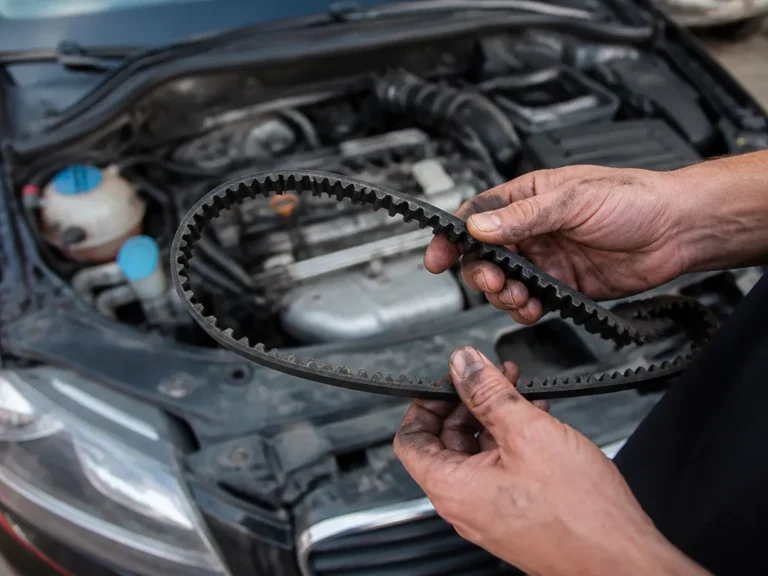
Replace a timing belt according to the manufacturer’s schedule for your vehicle. There is no single mileage or age limit that applies to every engine, and the correct interval depends on the make, model, engine, model year, and service schedule. Most schedules use mileage, elapsed time, or both, with the earlier limit applying.
Check the owner’s manual maintenance schedule and service records for the exact requirement. If you buy a used vehicle with unknown timing-belt history, treat the belt as due if the vehicle may be at or beyond the manufacturer’s interval, unless reliable records prove otherwise.
What Is The Typical Timing-belt Replacement Interval?

There is no dependable universal timing-belt interval. Manufacturers set different mileage and time limits for different engines, model years, and operating conditions. Use any general range only as a prompt to check the schedule for your vehicle, not as a replacement for it.
| Timing-belt replacement basis | What to check |
|---|---|
| By mileage | The mileage limit printed in the manufacturer’s maintenance schedule |
| By elapsed time | The age limit printed in the manufacturer’s maintenance schedule |
Many schedules use both mileage and elapsed time because a belt can age while the vehicle is driven little. The mileage limit reflects use, while the time limit addresses aging that continues when the vehicle is parked.
Whichever Comes First, And Why It Matters
When the schedule gives both a mileage limit and a time limit, arrange the service when either one is reached. A vehicle driven heavily may reach the mileage limit first. A lightly used vehicle may reach the time limit while its odometer remains relatively low.
Check the current mileage, the date of the last confirmed belt replacement, and the vehicle’s maintenance schedule. If the replacement date is unknown, do not use the belt’s appearance alone to assume that it is safe.
Why Does The Interval Vary By Vehicle?
Timing-belt intervals vary because belt systems, engine designs, materials, loads, and manufacturer service policies vary. Two vehicles with similar body styles may use different engines and therefore have different requirements.
The belt system’s construction and operating environment can affect how it ages. Heat, tension, flexing, contamination, and the condition of related components may all matter. The manufacturer’s schedule is intended to account for the particular belt system and engine design.
Service information is often tied to the engine and model year rather than just the vehicle’s model name. That is why the same model can have different timing-belt instructions in different configurations.
| What changes | Why it matters | What you see in the service schedule |
|---|---|---|
| Belt design and materials | Construction affects resistance to heat, flexing, and aging | Different mileage or time requirements by engine |
| Engine geometry and loads | Pulley layout, tension, and engine demand affect belt operation | Different service requirements between engines |
| Operating conditions | Heat, contamination, heavy use, and long periods of disuse may affect belt condition | Normal and severe-service schedules may differ |
Timing belts and timing chains also follow different maintenance patterns. A belt is a replaceable component with a manufacturer-defined service schedule. A chain does not automatically follow the same replacement interval. Confirm which system your engine uses before planning the work.
What Factors And Numbers Actually Change The Interval?

The factors that affect the replacement decision are vehicle-specific. Do not apply a generic mileage or age figure when the manufacturer provides a different schedule.
If the vehicle is near its manufacturer’s interval and has experienced demanding use, contamination, or long periods of disuse, ask a qualified repairer whether the belt service should be brought forward.
How Do I Locate The Exact Interval For My Car?
Find the schedule for the exact engine and model year, then compare it with the vehicle’s current mileage and service records. A generic estimate is only a starting point. The manufacturer’s schedule is the actionable answer.
Arrange the service when the vehicle reaches the manufacturer’s mileage or time limit, whichever the schedule says comes first. Take the vehicle identification details, current mileage, and service invoices to the repairer so the recommendation is based on the correct configuration.
What Should I Do If The Belt History Is Unknown Or It’s A Used Car?
If you cannot prove when the timing belt was last replaced, treat its service status as unknown. Compare the current mileage and elapsed time with the manufacturer’s schedule. If the vehicle may be at or beyond that interval, arrange replacement rather than waiting for a symptom.
For an unknown-history used car, base the decision on the manufacturer’s schedule and the records you can verify. If the vehicle may be due, treat the belt service as an immediate ownership cost rather than waiting for a failure.
What Are The Warning Signs And Failure Risks Of A Timing Belt?
Warning signs can justify an inspection, but they are not a reliable countdown to failure. A timing belt may fail without an obvious symptom, so service history and the manufacturer’s interval matter more than appearance alone.
If the belt is at or beyond the manufacturer’s interval, do not use the absence of noise or visible cracking as permission to postpone service. The schedule and service history are the more reliable planning tools.
What Happens If The Belt Breaks And Why Is This Dangerous?
A broken timing belt can stop the engine and remove the synchronization between the crankshaft and camshaft. On an interference engine, that loss of synchronization may allow pistons and valves to contact each other and cause internal damage.
| Belt failure outcome | What you may notice right away | Engine damage risk | Why it happens |
|---|---|---|---|
| Engine stops | Loss of power, stalling, or failure to restart | Varies by engine | Camshaft and crankshaft timing is lost |
| Interference engine | The engine may stop suddenly and require internal inspection | Can be severe | Loss of timing can allow piston and valve contact |
| Non-interference engine | The engine may stop without the same valve-to-piston clearance issue | Generally different, but not guaranteed to be harmless | Engine geometry provides more clearance when timing is lost |
Treat a timing-belt failure as a serious breakdown until the engine type and damage are confirmed. The vehicle may stop immediately, and the consequences depend heavily on the engine design and the circumstances of the failure.
Interference Vs Non-interference, What To Assume
Do not guess from the vehicle’s brand or from the way the engine was running before the failure. Confirm the engine type using the manufacturer’s information or a qualified repairer. A non-interference design may reduce the risk of piston and valve contact, but it does not make a failed belt safe to ignore.
What To Do If It Breaks
If the belt breaks, stop driving and avoid repeated attempts to start or crank the engine. Arrange an inspection to determine the failure cause and check the timing system and any resulting engine damage.
What Components Are Replaced With A Timing-belt Service And Why?

A timing-belt service may include more than the belt itself. The correct scope depends on the engine’s repair procedure and the condition of the related components.
The tensioner and idler pulleys control belt tension and routing. If the procedure calls for their replacement, fitting new components at the same time helps ensure that worn or damaged parts do not compromise the new belt.
Some engines use a timing-belt-driven water pump. The procedure may also call for related seals. Confirm the requirements for the exact engine because not every vehicle uses the same arrangement.
| Service scope | Typically considered | Why it may be bundled with the belt |
|---|---|---|
| Standard belt service | Belt and the components specified by the procedure | The related parts affect belt tension and tracking |
| Extended service | Water pump and related seals when specified | Access may overlap with the belt service |
| Procedure-driven variations | Other hardware or components listed for the engine | Engine design determines the required parts |
Use the correct service procedure and kit contents for the engine. Before work begins, ask the shop to state whether the quote includes the belt, tensioner, idler pulleys, water pump, seals, and any other specified components.
What Affects The Cost And What Should I Do Next?
Timing-belt service pricing varies with engine access, labor requirements, parts, and the scope of the repair. Without the exact vehicle and local labor information, there is no useful universal price. Get a written estimate based on the correct engine and procedure.
Actionable checklist for your next appointment request: Ask for a written estimate with parts and labor separated. Confirm the belt-system components included. Ask whether the water pump and seals are required. Provide the vehicle identification details and current mileage. Request confirmation that the estimate matches the manufacturer’s procedure.
Quick Summary
Replace a timing belt according to the manufacturer’s mileage or age limit, using whichever comes first when the schedule provides both. There is no single interval that applies to every vehicle.
Do not wait for cracking, noise, or running problems. A belt can fail without an obvious warning, and failure may stop the engine and cause internal damage on some engine designs. Ask whether the service should include the tensioner, idler pulleys, water pump, and seals.
Next action: Check the owner’s manual and service records, then give a repair shop the vehicle identification details, current mileage, and last documented belt-service date for a written recommendation.
Frequently Asked Questions
How Long Does A Timing-belt Replacement Appointment Take?
There is no dependable universal appointment time. The work can vary with engine layout, access to the belt, and whether the water pump or other related components are included.
Ask the shop how long the vehicle is expected to be unavailable and whether that estimate covers the complete agreed scope.
Can A Diagnostic Scan Prove That A Timing Belt Is Still Safe?
A diagnostic scan may help identify certain engine-timing problems, but it cannot establish that an aging belt has a predictable amount of remaining service life.
Base the replacement decision on the vehicle’s manufacturer schedule and documented service history. If the vehicle is due and the history is missing, do not rely on a scan alone.
What Proof Should I Request If A Seller Says The Timing Belt Was Replaced?
Ask for an invoice showing the vehicle, mileage, date, work performed, and parts supplied. A verbal assurance or vague “belt changed” entry does not show whether the tensioner, idler pulleys, water pump, or seals were included.
Compare the invoice with the procedure for the exact engine. If the record cannot be matched to the vehicle or does not describe the work clearly, treat the history as unverified.
What If A Repair Shop Gives An Interval That Conflicts With The Owner’s Manual?
Ask the shop to identify the engine, model year, and service schedule used for its recommendation. A generic interval or an incorrect engine lookup may not apply to the vehicle.
Check the manufacturer’s maintenance information or ask a dealership to verify the requirement using the vehicle identification number. Request clarification before approving work.
Is It Safe To Buy A Car That Is Already Due For A Timing-belt Service?
It may be reasonable if the purchase decision and repair budget account for the service immediately. Do not value the vehicle as though the belt job has already been completed.
Before buying, obtain a written estimate for the correct procedure and determine whether the engine design could make belt failure especially serious. If maintenance records are not credible, assume the service may be required.
Should The Car Be Driven To A Shop After The Replacement Interval Has Passed?
Driving beyond the stated interval adds risk and does not prove that the belt is safe. A belt may fail before a clear symptom appears.
Ask the repairer about the least-risk way to move the vehicle, especially if it is substantially overdue, has visible belt damage, has a fluid leak near the belt, or is making abnormal noise. Provide the mileage, service history, engine details, and symptoms before moving it.