Can You Replace Brake Pads Without Replacing The Rotors?
Brake pads can often be replaced without replacing the rotors, but only when the rotors remain suitable for reuse. The deciding factors are the vehicle maker’s minimum-thickness specification, the rotor’s surface condition, and whether it provides even contact with the new pads.
If the rotors are above the manufacturer’s discard limit and have no serious damage, a pad-only repair may be appropriate. If they are at or below the minimum thickness, cracked, deeply scored, badly corroded, or affected by significant runout, replace the rotors as well. Confirm the exact requirements for your vehicle before choosing parts.
Can You Replace Brake Pads Without Rotors?
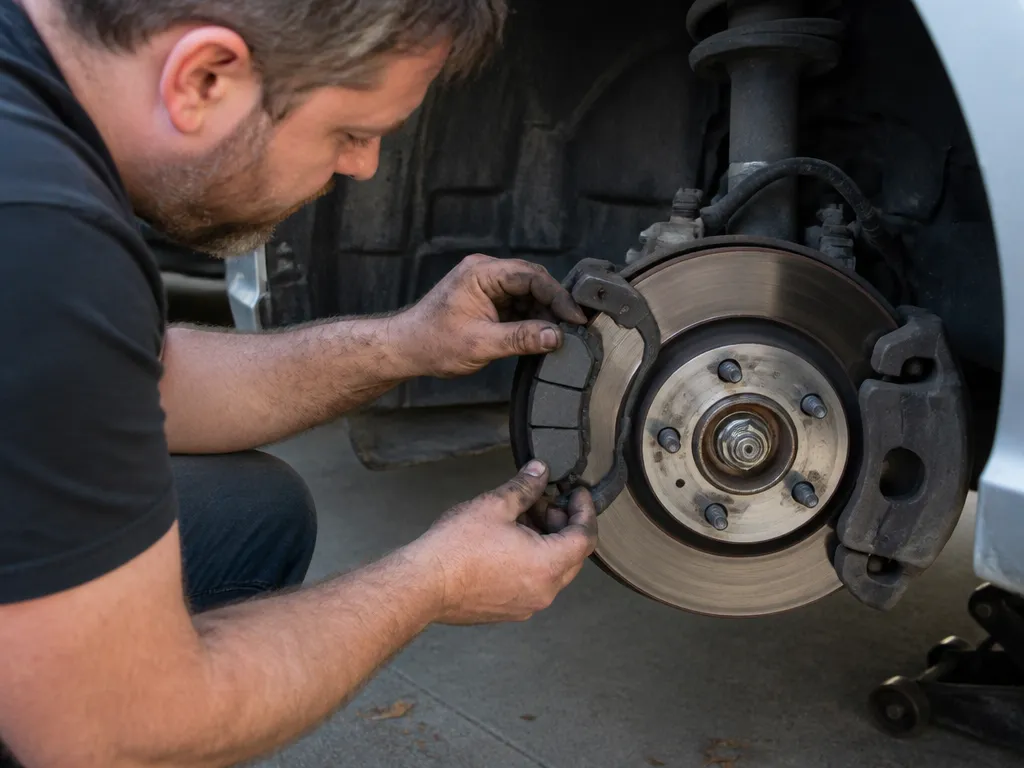
Brake pads can be replaced independently when the existing rotors remain within the vehicle maker’s specifications and have no unsafe damage. A pad-only repair is reasonable when inspection confirms that the rotor provides a suitable, even braking surface. The decision should come from the rotor’s measured condition, not simply from the fact that the pads have worn out.
| Decision | Rotor condition | Repair direction |
|---|---|---|
| 1. Pad-only replacement | Within the manufacturer’s limits and free from unsafe damage | Install new pads after confirming the related brake parts are sound |
| 2. Further diagnosis | Uncertain condition, uneven wear, vibration, or questionable surface | Measure and inspect the rotor before choosing parts |
| 3. Replace pads and rotors | Below the specified limit or affected by unsafe damage | Replace the unsuitable rotor with the pads |
There is no universal millimeter cutoff for rotor reuse. The allowable thickness varies by vehicle and rotor design. Use the discard or minimum-service measurement in the vehicle’s service information, or have a qualified repairer confirm it.
Rotor condition matters because the new pad must contact a usable, stable surface. A rotor that is too thin, badly damaged, or unable to provide even contact can contribute to uneven wear and inconsistent braking. New pads do not correct a rotor that has already failed its service limits.
Replacing both parts is usually the more appropriate choice when the rotor is at or below its limit, has serious surface damage, or is associated with unexplained braking vibration. A pad-only repair saves a component only when inspection supports retaining it.
Which Rotor Measurements Decide The Repair?
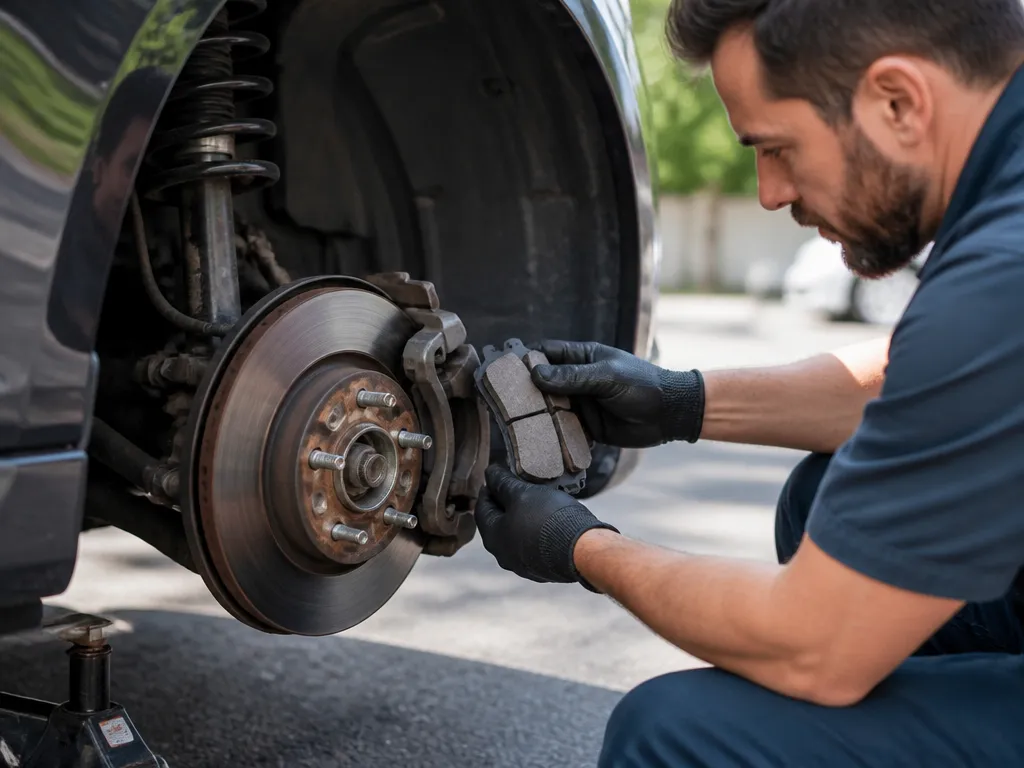
A pad-only repair depends on the rotor meeting the maker’s minimum thickness requirement, showing reasonably even wear, and having no unsafe surface damage. Check the vehicle-specific specification before proceeding.
When Replacing Only The Brake Pads Is Acceptable
Keep the rotors only when inspection shows that they remain within the vehicle maker’s service limits and can provide even contact with the new pads. A pad-only repair is acceptable when the rotor passes the discard-thickness check, has no hazardous wear features, and is not linked to unexplained vibration or pulsation.
| Inspection result | What you look for | Why it supports pads-only |
|---|---|---|
| Rotor above discard measurement | Measured rotor thickness is above the manufacturer’s minimum discard specification | The rotor remains within the stated service limit |
| Even wear, no deep damage | No deep grooves, cracks, or severe scoring across the swept area | New pads have a better chance of bedding evenly |
| No pulsation | No steering-wheel shake or brake-pedal pulsation during braking | There is no obvious symptom of rotor irregularity |
| Even pad wear, no caliper-side damage | Pads have worn evenly, with no stuck slides, damaged hardware, or uneven caliper contact | The new pads are less likely to inherit an unresolved brake fault |
Use the measurements and braking symptoms together. A rotor above the discard measurement with an intact, reasonably smooth contact area may be suitable for reuse. If the rotor is near the limit or the symptoms are unclear, obtain a professional inspection before installing new pads.
Signs The Rotors Should Also Be Replaced
These findings suggest that the rotor may not work properly with new pads or may no longer be safe to reuse.
| Rotor issue | What you observe | What to check (measurement or inspection) | Action implication |
|---|---|---|---|
| Thickness below the discard limit | Rotor is worn thin | Measure rotor thickness and compare it with the vehicle maker’s minimum specification | Replace the rotor |
| Excessive runout | Steering-wheel shake or pedal pulsation during braking | Check lateral runout with the appropriate measuring equipment | Diagnose and usually replace the rotor |
| Uneven pad contact and a pronounced outer lip | Outer ridge or patchy pad contact marks | Inspect the contact pattern and the edge of the braking surface | Assess for rotor replacement |
| Deep grooves | Visible or pronounced wear channels | Inspect for scoring that prevents even pad contact | Replace the rotor |
| Cracking | Hairline or spreading lines, especially near edges or wear areas | Clean and inspect the rotor carefully in good light | Replace the rotor |
| Heat spots, uneven discoloration | Localized or mottled discoloration | Check whether the markings accompany vibration, noise, or uneven contact | Assess for rotor replacement |
| Heavy corrosion | Severe rust pitting or a rough braking surface | Inspect the full pad contact area for pitting | Replace the rotor |
If the rotor is below the discard limit, has excessive runout associated with pulsation or shake, or shows deep grooves, cracking, serious heat damage, heavy corrosion, or a pronounced lip that prevents even contact, rotor replacement is generally the appropriate path. New pads are unlikely to correct an uneven rotor surface.
Visual Guide: Wear Patterns That Mean Replacement
If the pad contact area on the rotor is patchy or substantially smaller than the pad’s normal face, investigate the cause before reusing the rotor. Deep grooves, severe pitting, cracks, or repeated localized heat marks are reasons for a more detailed inspection. A rotor can appear acceptable during a brief drive while still requiring measurement.
When in doubt, re-check the rotor using the appropriate measurement method. If it fails the discard limit or its condition is linked to pulsation, vibration, or uneven pad contact, do not proceed with a pad-only replacement.
What Happens If Worn Rotors Are Left In Service
Leaving a rotor in service after it has failed its specification or developed serious damage can allow the underlying brake problem to continue. The vehicle may still stop, but that does not confirm that the braking system is operating consistently.
Edge Cases That Change The Pad-only Decision
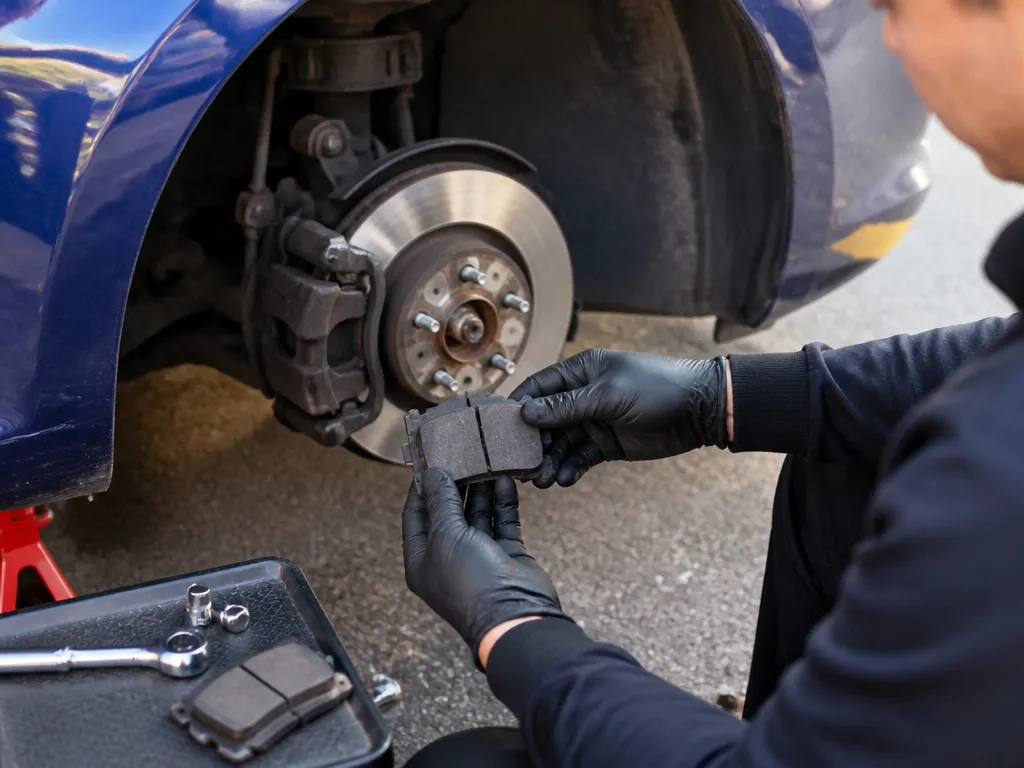
Some rotors look acceptable at first glance but still require a closer inspection. The rotor may meet a basic thickness check while corrosion, contamination, or related hardware prevents the new pads from wearing normally.
Surface Rust, Uneven Wear, Or Contamination From Sitting
Symptom: surface rust after storage or infrequent driving. Rust can create a rough friction layer and uneven contact with fresh pads.
Cause: corrosion on the rotor face and edges from moisture. A rotor may still measure within its service limit while its surface condition remains unsuitable.
Fix: inspect the depth and damage before deciding. If the rust is superficial and the rotor remains within specification, cleaning or normal use may be considered according to the vehicle maker’s guidance. Pitting, scoring, or abnormal braking feel requires further rotor work.
A Seized Caliper Or Slide Pin That Forces Rotor Mismatch
Symptom: uneven pad wear or a nonuniform rotor contact pattern. New pads can begin wearing unevenly if the cause remains.
Cause: restricted caliper movement, sticking hardware, or a caliper that does not release correctly. These faults change how the pad contacts the rotor.
Fix: correct the caliper or slide problem before installing pads. Service or replace affected components, then confirm that the pad and caliper move correctly.
Glazed Or Contaminated Rotor Surfaces Pairing Badly With New Pads
Symptom: new pads feel noisy, grabby, or wear unevenly. A rotor can pass a basic measurement while still having a poor friction surface.
Cause: oil, grease, brake fluid, or overheating. Contamination and glazing can interfere with even contact and bedding.
Fix: identify the source and reassess the rotor. If the surface has serious heat damage or contamination that cannot be corrected, replace the rotor rather than relying on new pads alone.
Electronic Parking Brakes And Unusual Rotor Designs
Symptom: pad wear or servicing requirements differ from other wheels. Some brake designs require additional steps during pad or rotor service.
Cause: different parking-brake mechanisms or rotor designs. These systems may require vehicle-specific procedures.
Fix: follow the correct service approach for the vehicle. If calibration, actuator steps, or other special procedures apply, confirm them before attempting a pad-only repair.
Resurfacing Isn’t Always A Safe Substitute
Symptom: the rotor needs more than pad replacement but is near the reuse boundary. Resurfacing removes material and may leave insufficient thickness or fail to correct serious damage.
Cause: some rotor problems are structural or too severe for surface correction. Deep damage, cracking, or a rotor already near its limit can make resurfacing unsuitable.
Fix: match the repair to the failure. Use the manufacturer’s specifications and the rotor’s measured condition to decide between reuse, resurfacing where permitted, and replacement.
Quick Summary
Brake pads can be replaced without replacing the rotors when the rotors meet the vehicle maker’s reuse criteria and have no unsafe damage.
Next action: Compare your rotor measurements and damage findings with the vehicle maker’s requirements. Choose pads-only only if every relevant criterion passes.
Frequently Asked Questions
How Much More Expensive Is Replacing Rotors Versus Doing Pads Only?
The cost depends on the number of parts and the labor required for your vehicle. A pad-only job avoids rotor parts and the additional work associated with removing and installing rotors. Rotor replacement, resurfacing where permitted, and related repairs add to the estimate.
Ask the shop to quote pads, rotors or other rotor work, and inspection labor separately. That makes it easier to see why the recommendation changes.
How Long Will A Pad-only Replacement Take, And How Much Does Rotor Replacement Add?
Pad-only work can take less time because it avoids rotor removal and installation. The actual difference depends on the vehicle, access, hardware condition, and whether other faults are found.
Ask for one estimate based on pads only if the rotor passes inspection and another for pads plus rotors if it does not.
Can I Replace The Pads Myself And Keep The Rotors, Or Should I Get A Professional If Measurements Are Close?
If the rotor measurements clearly meet the service limits and you can inspect the surface and related parts reliably, a DIY pad replacement may be reasonable. If a measurement is close to the discard threshold or you cannot assess the rotor confidently, obtain a professional inspection first.
Do not guess when the result depends on a close measurement or when the vehicle has abnormal braking symptoms.
What Happens If I Keep Driving With Worn Pads Or With New Pads Installed On Rotors That Should Have Been Replaced?
A compromised rotor can contribute to inconsistent braking feel, uneven pad wear, vibration, or noise. New pads do not necessarily correct those problems.
If pulsation, grinding, recurring noise, or uneven wear continues, inspect the rotor and related parts such as the caliper, slides, and hardware.
When Should I Stop And Ask For Professional Help Instead Of Continuing The Diy Plan?
Get help if you see cracking, severe pitting, serious heat damage, or another sign of unsafe rotor condition. Professional assistance is also appropriate when you cannot measure thickness reliably or find a sticking caliper, slide, or other related fault.
Ask for help if the brake pedal or steering behavior changes abnormally after the repair.
How Can I Verify A Shop’s Claim That I Need Rotors (Or That I Can Keep Them)?
Ask the shop to show you the rotor measurements and explain how they compare with the vehicle maker’s minimum service limits. The recommendation should relate to measured thickness, surface condition, runout, or another identifiable inspection finding.
If the shop recommends replacement, ask which specific finding triggered it. If the explanation does not connect the recommendation to an inspection result, request a second measurement or another opinion.