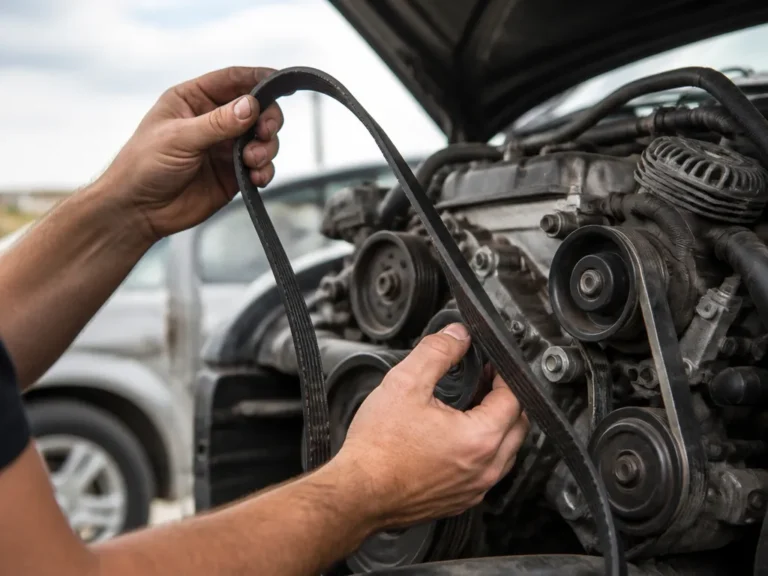

How Long Should Serpentine Belt Last? Life Span, Signs, Tips
There is no universal mileage or age at which every serpentine belt needs replacement. The correct interval depends on the vehicle maker’s maintenance schedule, belt design, climate, mileage, and the condition of the belt-drive system. Check the owner’s manual and service records rather than relying on a generic lifespan.
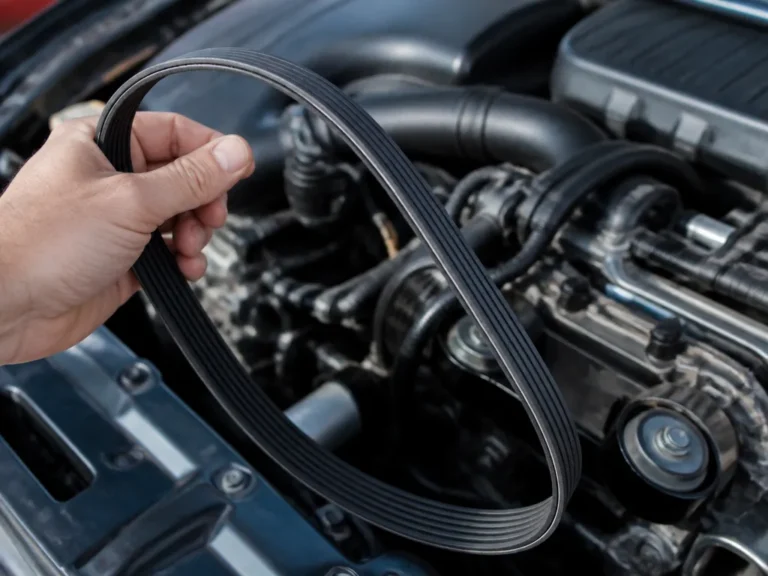
Replace the belt sooner if you find cracking, glazing, fraying, missing rib material, contamination, mis-tracking, or persistent noise. A belt that is slipping or damaged can fail without reaching the interval in the service schedule.
Typical Serpentine Belt Lifespan In Miles And Years
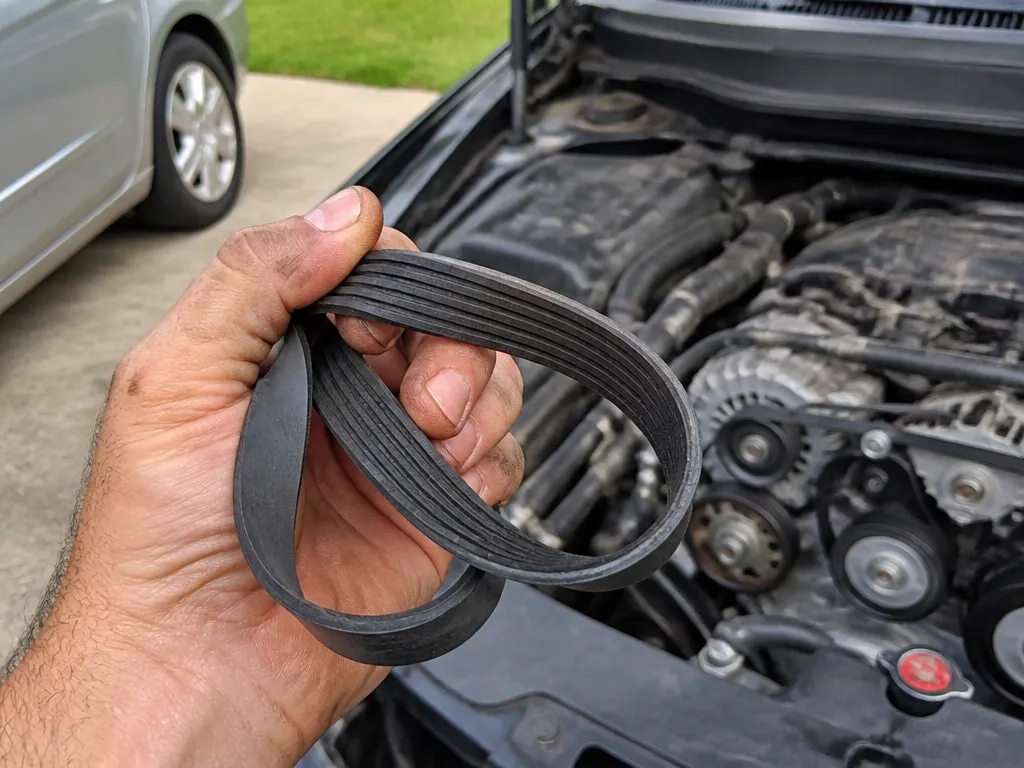
Serpentine belt life varies too widely for a single mileage or calendar figure to apply to every vehicle. The exact replacement interval was not established by the available material, so use the owner’s manual, manufacturer service information, and the belt’s service history for your vehicle.
Mileage is only part of the picture. A belt used in frequent stop-and-go traffic may experience more heat cycles and accessory load than one used mainly on steady roads. A low-mileage vehicle can also need attention if the belt has been exposed to heat, fluids, or long periods of disuse.
| Typical service outcome | Odometer range | Calendar time range |
|---|---|---|
| Replacement timing for a passenger-car belt | Check the vehicle manufacturer’s schedule | Check the vehicle manufacturer’s schedule and belt condition |
Vehicle type and engine design can change the replacement point. Accessory load, belt routing, tensioner design, operating temperature, and the vehicle’s working environment all affect wear. The manufacturer’s schedule is a better baseline than a generic interval, particularly for commercial vehicles, hybrids, and vehicles used under demanding conditions.
What Changes The Baseline For Your Vehicle
Two vehicles can accumulate similar mileage yet put very different demands on their belts. Frequent short trips, heat soak, fluid leaks, pulley misalignment, and a weak tensioner can all accelerate wear. Review the service information for your exact vehicle and adjust the inspection frequency when the vehicle works in severe conditions.
Why Does A Serpentine Belt Wear Out At A Predictable Rate?
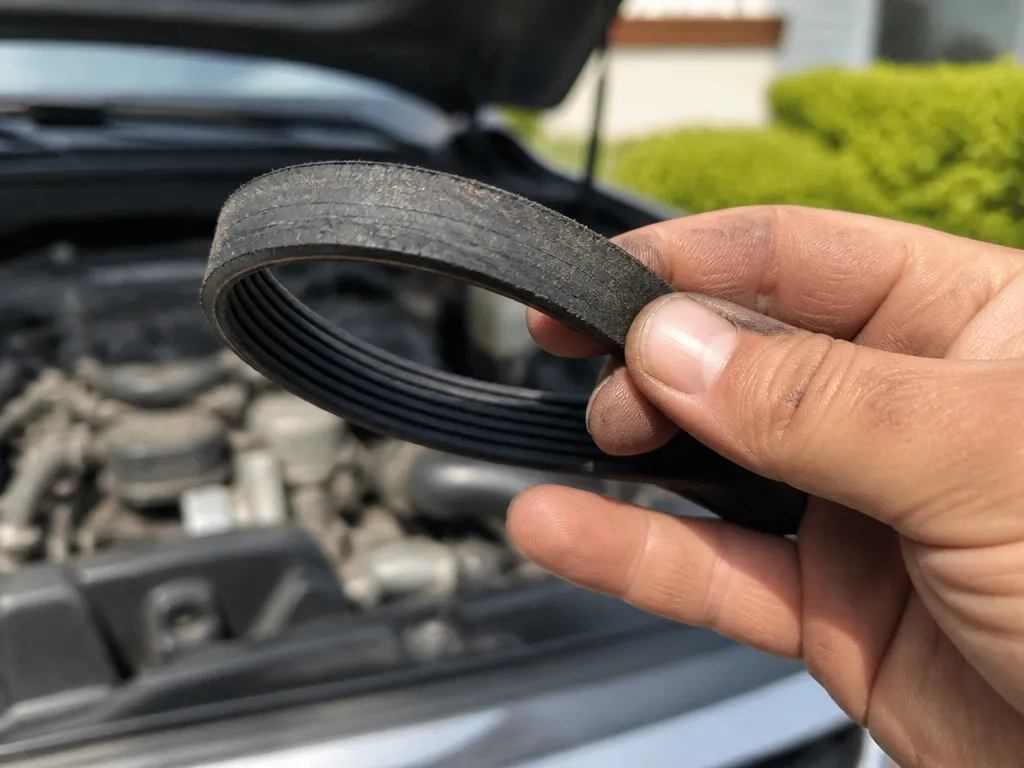
A serpentine belt is repeatedly bent around pulleys, held under tension, and exposed to friction and heat while driving accessories. Over time, these forces can weaken the belt’s rubber compound and reinforcing cords. A belt may lose grip or develop visible damage before it breaks completely.
Belt construction affects how it ages. Repeated flexing can fatigue the internal cords, while heat and contamination can change the surface. A hardened or glazed surface may slip more easily, producing noise and additional heat.
How Tension, Pulley Contact, And Alignment Shape Wear
Correct tension helps the belt grip the pulleys without placing unnecessary stress on the belt or accessory bearings. Insufficient tension can allow slip and heat buildup. Excessive tension can increase stress on the belt and the components that support it.
The tensioner, pulley bearings, and pulley alignment determine how evenly the belt runs. A worn bearing, weak tensioner, or misaligned pulley can make the belt track toward an edge, causing uneven wear, vibration, and noise.
Heat And Contaminants That Accelerate The Timeline
Heat speeds the aging of belt materials. Under-hood temperature, accessory load, slipping, and poor ventilation can all contribute to deterioration. Repeated exposure can leave the belt hardened, glazed, cracked, or less able to transmit power.
Oil and coolant can damage the belt surface and reduce grip. Dirt and grit can also act as abrasives when they reach the belt and pulley faces. Fix the source of contamination instead of simply fitting another belt.
What Are The Signs A Belt Needs Replacing?
Look for signs of belt damage, slipping, or a problem in the surrounding drive system. A symptom may come from the belt itself or from a tensioner, pulley, or accessory that is placing abnormal stress on it.
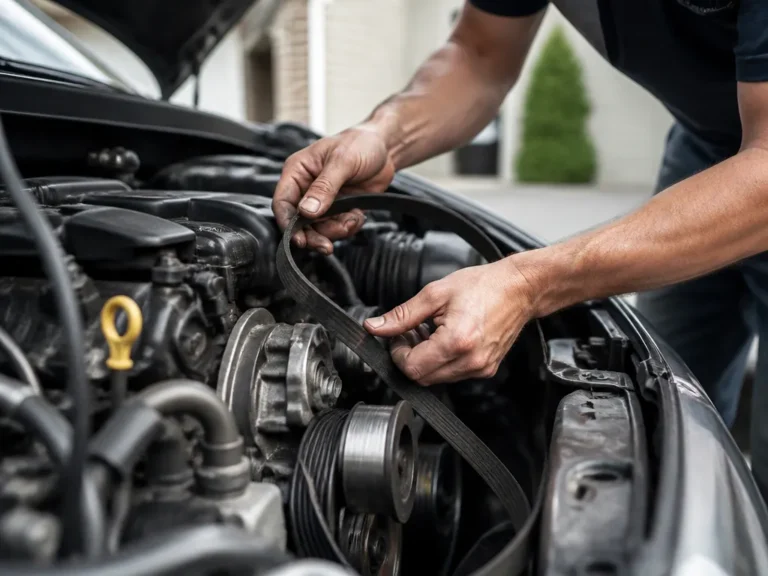
Inspect only with the engine off and moving parts stopped. If symptoms are active, seek diagnosis promptly because belt failure can disable important accessories.
How Can I Extend Serpentine Belt Life?
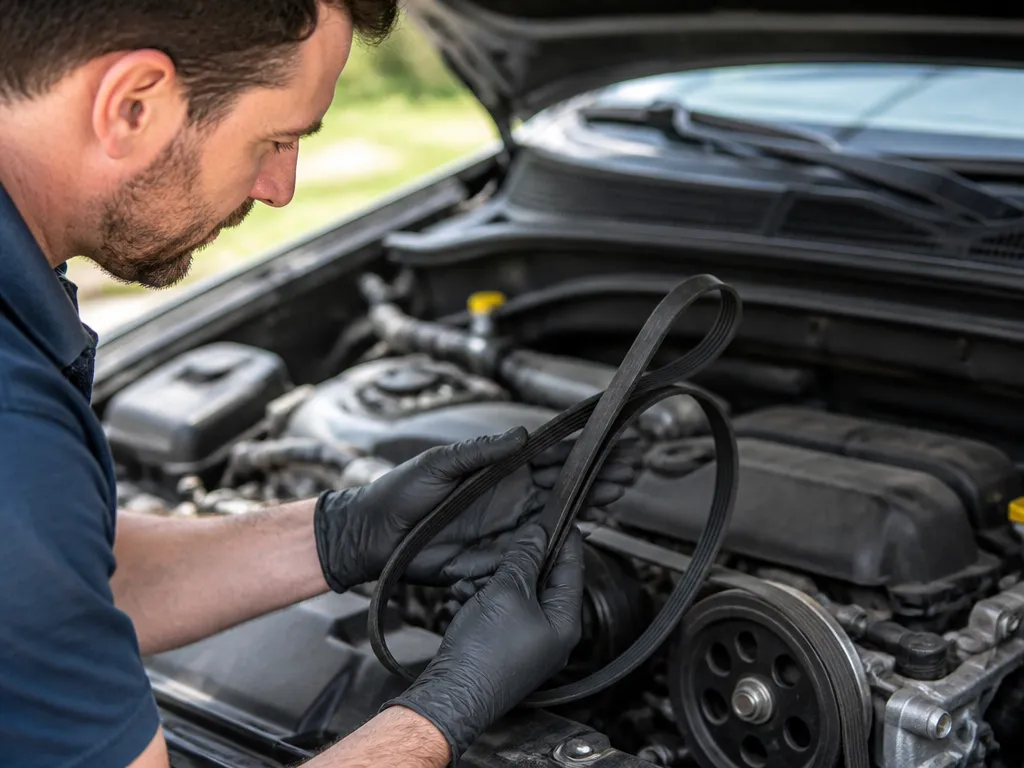
The best way to extend belt life is to find the cause of wear before it becomes a failure. Keep the belt correctly installed, protect it from fluids and excessive heat, and inspect the tensioner and pulleys as part of the same system.
Inspect first and replace second. If the belt repeatedly sheds dust, squeals, or mis-tracks, have the pulley, tensioner, alignment, and accessory drive checked rather than fitting another belt without diagnosis.
When Should You Replace And When To See A Professional?
Replace the belt according to the vehicle manufacturer’s schedule, or sooner when inspection reveals damage or the belt shows signs of slipping. The available material does not establish a universal mileage or age threshold. Severe heat, heavy loads, contamination, and difficult operating conditions are reasons to inspect more frequently and follow the vehicle’s severe-service guidance.
What Are Failure Modes, Costs, And Risks If It Fails?
A failed belt can disable the accessories it drives. Depending on the vehicle, that may include the alternator, water pump, air-conditioning compressor, or power steering pump. The result can be a charging problem, loss of steering assistance, overheating, warning lights, or a stalled vehicle. The exact consequences depend on the vehicle’s design.
| Failure Scenario | Likelihood | Immediate Consequences | Typical Repair Cost Range | Estimated Labor Time |
|---|---|---|---|---|
| Cracks, fraying or glazing of the belt material leading to failure while driving | Depends on belt condition and vehicle use | Loss of belt-driven accessories; overheating or a stall may occur if the affected system is essential. | Exact cost was not established; obtain a vehicle-specific quote | Depends on access and vehicle design |
| Tensioner or pulley wear causing slip or misalignment | Depends on component condition | Slip, noise, uneven belt wear, reduced accessory function, or warning lights. | Exact cost was not established; obtain a vehicle-specific quote | Depends on access and the components replaced |
| Complete belt break due to heat or contamination | Depends on belt condition and the underlying cause | Loss of belt-driven systems; overheating, a stall, or secondary damage may follow. | Exact cost was not established; obtain a vehicle-specific quote | Depends on the resulting damage and vehicle design |
| Accessory component failure driven by belt overload | Depends on the accessory and system condition | Noise, belt damage, reduced performance, or the need to replace surrounding parts. | Exact cost was not established; obtain a vehicle-specific quote | Depends on the failed component and access |
Costs and repair times vary with the vehicle, engine layout, labor rates, belt accessibility, and whether the tensioner, pulleys, or an accessory also need replacement. Ask for a quote that identifies the parts and work included.
Edge Cases That Could Mislead The Obvious Answer?
Some vehicles and operating environments do not fit a generic passenger-car expectation. Electric vehicles and hybrids may use different accessory arrangements. Fleet vehicles and vehicles used for towing or extended high-load operation can place greater demands on the belt system. Aftermarket belts may also differ in construction and compatibility. In every case, use the exact vehicle service information and inspect the complete belt drive.
Quick Summary
Serpentine belt life has no single verified mileage or age limit that applies to every vehicle. Follow the manufacturer’s replacement schedule, inspect the belt and its drive system, and replace it sooner when damage, noise, contamination, or accessory changes appear.
| Condition that changes the timeline | What to do with the baseline |
|---|---|
| Harsh heat or heavy-duty use | Follow severe-service guidance and inspect more frequently than under ordinary use. |
| Wrong tension or heat-related slip | Stop relying on the scheduled interval and diagnose the belt, tensioner, pulleys, and accessories. |
| Contaminants or misalignment | Repair the leak or alignment problem and replace the damaged belt when necessary. |
| Any clear wear or early failure signs | Base replacement on the belt’s condition and the manufacturer’s instructions, not calendar age alone. |
Next action: Check the owner’s manual and service history, then inspect the belt with the engine off. If you find cracking, fraying, glazing, missing material, mis-tracking, or persistent noise, arrange a belt and pulley-system inspection.
Frequently Asked Questions
What’s The Typical Cost To Replace A Serpentine Belt?
The available material does not establish a reliable price range. Get a quote using the exact vehicle year, make, model, and engine. Access, labor rates, and the condition of the tensioner and pulleys can all affect the total.
Ask whether the quote covers the belt only or also includes diagnosis, a tensioner, an idler pulley, or other damaged components.
Can I Wait Until The Belt Fails To Avoid Paying Early?
Waiting for failure can leave you stranded and may disable charging, cooling, steering assistance, or other belt-driven equipment, depending on the vehicle.
If the belt is noisy, damaged, contaminated, or affecting accessory operation, prompt diagnosis is safer than waiting for a breakdown.
Does Replacing A Serpentine Belt Also Require Replacing The Tensioner Or Idler Pulleys?
Not automatically. The decision depends on the condition of those components and the cause of the belt wear. Rough rotation, looseness, wobble, misalignment, or a tensioner that does not maintain proper tension can justify additional repairs.
If a shop recommends extra components, ask what evidence was found during inspection and how each part contributed to the belt problem.
How Can I Verify A Reported “Belt Issue” Before Authorizing Replacement?
Ask to see the reported condition with the engine off. Look for cracking, fraying, glazing, missing material, contamination, or uneven tracking, and ask whether the noise or accessory problem is consistent with belt slip.
Also ask whether the tensioner, pulleys, alignment, and nearby accessories were checked. A replacement belt may wear quickly if the underlying fault remains.
When Should I Get Professional Help Instead Of Attempting A Diy Replacement?
Use a professional when access is difficult, the routing is uncertain, the tensioner or pulleys need diagnosis, or the belt symptoms suggest a wider accessory-drive problem. A professional inspection can also help when a warning light or accessory change may have more than one possible cause.
If you cannot confirm that the belt is correctly routed and fully seated, do not run the engine until the installation has been checked.
Will A New Belt Automatically Last The Full Lifespan Listed, Or Can The Problem Return Immediately?
A new belt can wear early if the original cause remains, including incorrect tension, pulley misalignment, a rough bearing, contamination, heat exposure, or installation errors.
After replacement, pay attention to renewed noise, belt dust, mis-tracking, or accessory changes. If any return, have the complete belt-drive system reassessed rather than assuming the new belt is defective.