How Long Does Serpentine Belt Last? Replacement Intervals.
There is no universal lifespan for a serpentine belt. Follow the vehicle maker’s replacement guidance, if one is provided, and inspect the belt regularly. Replace it sooner if you find cracking, fraying, glazing, contamination, rubbing, or other damage.
Mileage and age alone cannot predict when a belt will fail. Heat, operating conditions, belt tension, pulley alignment, bearing condition, and fluid contamination all affect wear. If your owner’s manual does not give a replacement interval, ask a qualified technician to assess the belt and its related components.
What Is The Typical Serpentine Belt Lifespan?
Serpentine belt life varies by vehicle and operating conditions. The belt is exposed to repeated bending, tension, heat, and friction whenever the engine runs. Two vehicles with similar mileage can therefore show very different belt wear.
Is There A Single Average Lifespan?
There is no dependable average that applies to every vehicle. Some belts are replaced according to a scheduled interval, while others remain in service until they show symptoms or fail. Those different replacement practices make general lifespan figures poor substitutes for the vehicle maker’s guidance and a condition inspection.
Why Data On Average Miles/years Varies By Source
General lifespan estimates differ because belts are replaced for different reasons. A belt replaced during scheduled maintenance may have had no symptoms, while a belt replaced after a complaint may already have suffered from slipping, contamination, or a failing pulley.
For a practical decision, use the vehicle maker’s replacement guidance when available and inspect the belt for condition. If the schedule is unclear, have the belt, tensioner, and pulleys assessed together.
How Serpentine Belts Wear Down
A serpentine belt experiences stress and friction each time the engine runs. Repeated bending, heat, tension changes, and exposure to contaminants can harden or damage the rubber and weaken the belt’s grip.
What Factors Influence Belt Life (With Ranges)
There is no supported lifespan range that applies across all vehicles. Belt durability depends on the material, routing, load, environment, and condition of the components that guide and tension it.
The practical lesson is that two belts with similar mileage can have very different conditions. A belt used in high heat, dusty conditions, heavy stop-and-go traffic, or a vehicle with a pulley problem may show trouble sooner than one used under easier conditions.
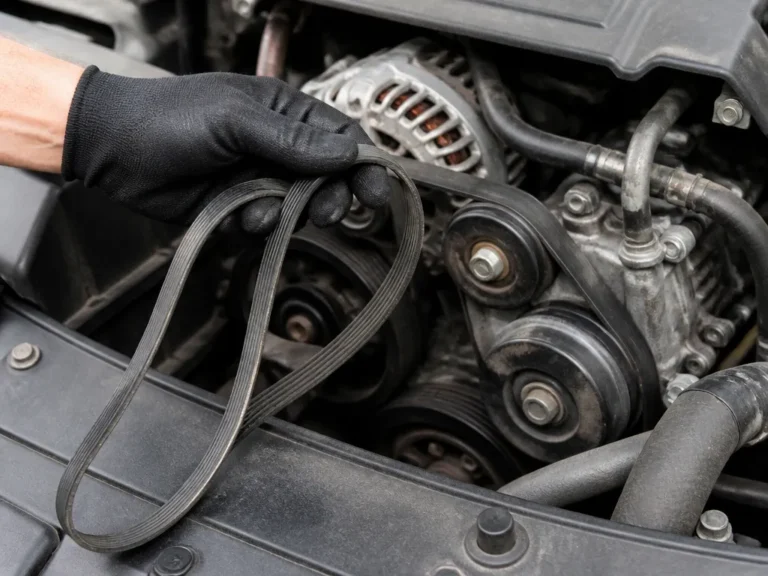
Inspect the belt when the engine is off and look for both belt damage and its possible cause. If you find abnormal wear, checking the tensioner, pulleys, alignment, and fluid leaks can help prevent a repeat failure.
Signs Your Serpentine Belt Needs Attention
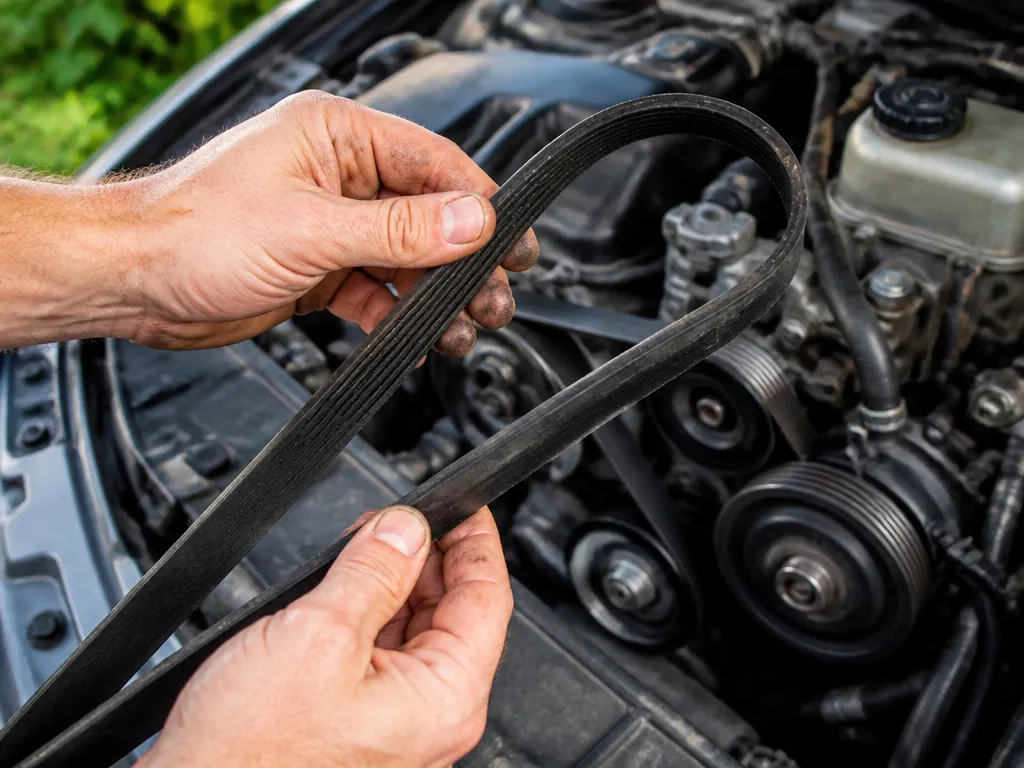
Common warning signs include squealing or chirping, cracks, fraying, glazing, rubbing marks, and uneven wear. Treat them as reasons to investigate the belt and its drive system rather than as harmless background noise.
Inspect the belt with the engine off. If you see substantial damage, rubbing, or misalignment, avoid driving until the cause has been assessed. A failed belt can stop the alternator and other belt-driven accessories, and some vehicles may also lose belt-driven water-pump or power-steering operation.
Maintenance Steps To Extend Belt Life
Good belt maintenance means finding the cause as well as replacing the worn part. Checking tension, leaks, pulley movement, and alignment can reduce the chance of repeated failures.
Recommended Replacement Intervals
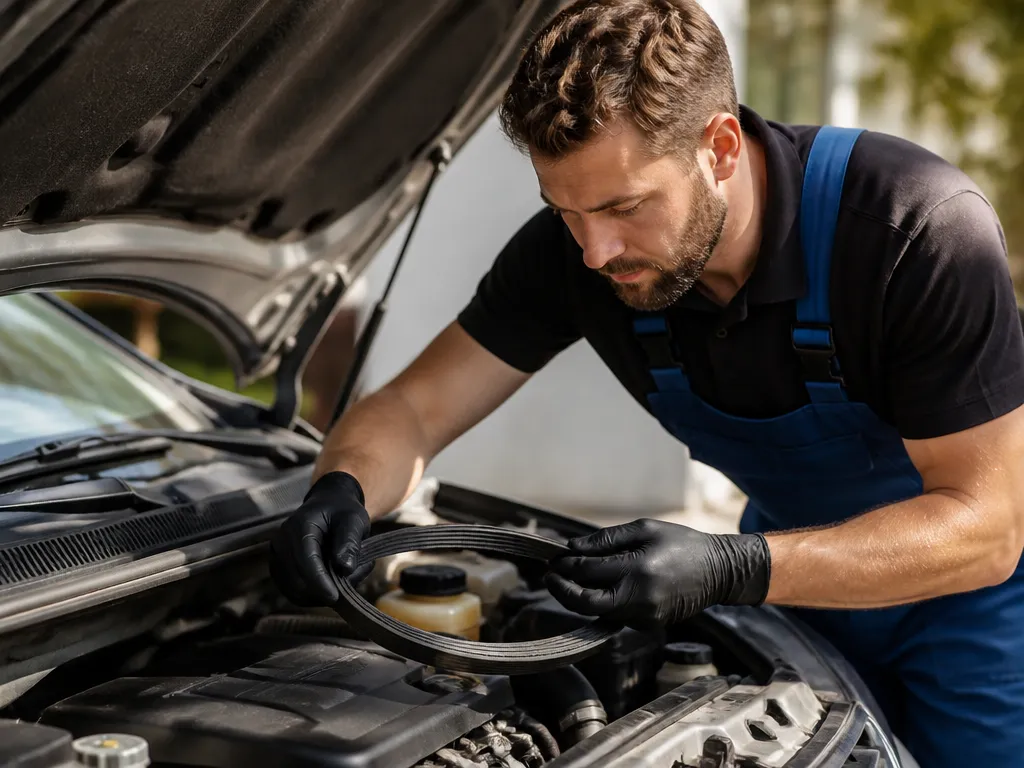
Use the manufacturer‘s belt guidance as the starting point. The available information does not support a universal mileage or age interval, so do not apply a fixed schedule from another vehicle to yours.
| Replacement timing method | What to follow | When to shorten |
|---|---|---|
| Manufacturer interval (miles) | Follow the vehicle maker’s scheduled replacement guidance in the owner’s manual or service schedule. | If inspection shows glazing, cracks, fraying, contamination, rubbing, or misalignment symptoms. |
| Manufacturer interval (time) | Use any stated age limit in addition to mileage guidance. | If the belt is approaching or exceeding the stated age limit, or if its condition has deteriorated. |
| Inspection-driven timing | Inspect at the intervals specified by the manufacturer or during routine service. | If you hear squealing or chirping, see new damage, or notice abnormal belt tracking between checks. |
Published belt intervals can vary by model and engine. Check the owner‘s manual or service schedule for the exact vehicle. If no interval is listed, use condition inspections and ask a qualified technician how the belt system should be monitored.
Age and mileage should be considered together, but neither one can confirm that a belt is safe. A belt with low mileage may still have suffered from heat, contamination, or a pulley problem. Replace it when the manufacturer calls for replacement or when inspection finds significant wear.
Consider earlier inspection or replacement when the vehicle sees short trips, heavy loads, frequent stop-and-go driving, extreme heat, dusty roads, or fluid leaks. These conditions can increase belt stress, contamination, or temperature.
Costs And Risks Of Belt Failure

When a serpentine belt fails, the engine can lose power to the alternator and other accessories. Depending on the vehicle, it may also lose operation of a belt-driven water pump, power-steering pump, or air-conditioning compressor. A failure can leave you stranded and may lead to overheating if the water pump is driven by the belt.
Warning lights, dimming headlights, charging problems, or unusual noises may appear before failure, but a belt can also fail without much notice. If the belt shreds while driving, stop safely and have the vehicle inspected. Continuing to drive can worsen damage or create an overheating risk on vehicles that use the belt to drive the water pump.
| Cost Element | What It Covers | Typical Range |
|---|---|---|
| Serpentine belt | Purchase price for the belt itself | Not specified |
| Labor | Removal and replacement of the belt | Not specified |
| Additional parts | Tensioner, idler pulleys, or damaged components replaced during service | Not specified |
| Towing or roadside assistance | If failure happens away from home | Not specified |
Cost depends on the vehicle, belt routing, parts, labor rates, and whether the tensioner or idler pulleys need replacement. Ask for a quote that separates the belt, labor, and any additional components.
A roadside failure can also add towing, emergency service, transportation, or lost-work costs. Preventive replacement may be less disruptive than waiting for a belt to fail, but the appropriate timing still depends on the vehicle maker’s guidance and the belt’s condition.
To reduce risk, respond to warning signs and have the belt system inspected when the belt is replaced. A quote should state whether the shop checked the tensioner, idler pulleys, alignment, and any fluid leaks.
Edge Cases And Common Belt Myths
Early belt failure can result from a defective part, incorrect routing, contamination, misalignment, or a failing tensioner or pulley. The serpentine belt and timing belt perform different jobs and are not interchangeable.
Belts also differ in length, rib count, width, construction, and application. Confirm the exact part specification for the vehicle and engine rather than choosing a belt based only on appearance or advertised length.
Quick Summary
There is no universal serpentine-belt lifespan or replacement interval. Use the manufacturer’s guidance, inspect the belt and its related components, and replace it when the belt shows credible damage or the drive system has a problem.
| Decision trigger | What it changes |
|---|---|
| Follow the vehicle maker’s interval | Set the baseline replacement timing for your specific vehicle. |
| Inspection cadence | Inspect according to the manufacturer’s guidance or during routine service, and investigate new noises or visible wear. |
| Severe usage or belt stress signs | Heat, contamination, heavy use, cracking, fraying, glazing, or abnormal rubbing are reasons to bring the inspection or replacement forward. |
| Belt age and mileage | Consider both, but rely on the vehicle-specific schedule and belt condition rather than an unsupported universal age or mileage figure. |
Next action: Check your owner’s manual for the belt replacement guidance. If the schedule is unavailable, inspect the belt with the engine off and arrange a professional assessment if you find damage, hear persistent noise, or see abnormal tracking.
Frequently Asked Questions
How Much Does It Usually Cost To Replace A Serpentine Belt?
Cost varies by vehicle, belt length, routing complexity, parts pricing, and local labor rates. Exact pricing was not established here, so request a quote for your year, make, model, and engine.
Ask whether the quote includes inspection of the tensioner and pulleys. Replacing only the belt may not solve a problem caused by a worn pulley, bearing, or tensioner.
Can I Replace The Serpentine Belt Myself?
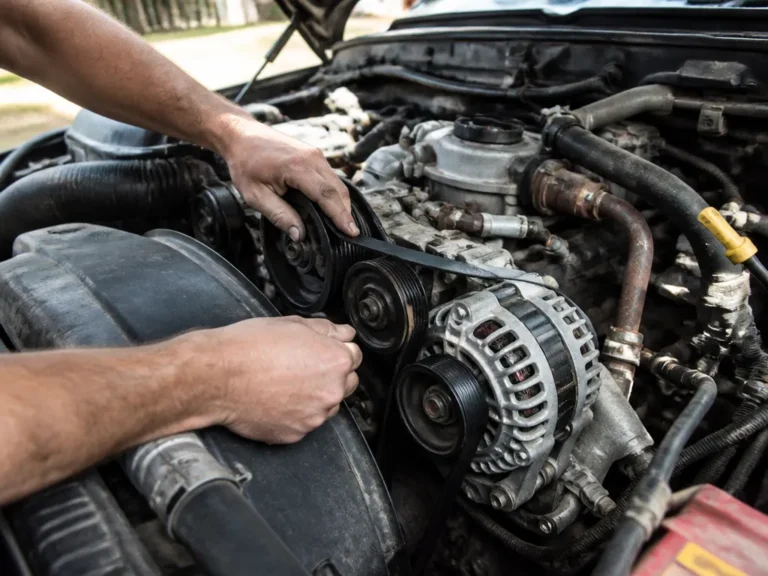
It may be possible on some vehicles, but access and routing vary. You need the correct routing information for the engine and a safe way to release and restore tension.
If you have not worked on accessory belts before, professional replacement reduces the risk of incorrect routing or damage to the tensioner. If you choose to do the work yourself, verify the belt path and confirm that the belt is seated correctly on every pulley before starting the engine.
What Happens If I Ignore A Belt That Is Starting To Squeal?
Squealing can indicate slipping, contamination, incorrect tension, misalignment, or a failing pulley. Ignoring it can allow the underlying problem to worsen and may lead to belt failure.
Inspect the belt and drive system promptly, even if the belt looks normal. If the noise persists, arrange professional diagnosis rather than assuming that replacing or tightening the belt will solve it.
Is A Serpentine Belt Covered Under Any Warranty, And Does The Mileage Or Age Matter?
Coverage depends on the vehicle warranty, the belt’s classification, and the reason for replacement. Check your warranty documents or ask the dealer about coverage for normal wear, defects, and component-related failure.
Provide both the vehicle mileage and belt age when asking. The applicable terms may distinguish ordinary wear from a manufacturing or installation problem.
How Can I Verify Whether The Shop Actually Replaced The Belt And Not Just Cleared The Symptom?
Ask which parts were replaced and request that the invoice identify the belt, tensioner, and any pulleys. You can also ask to see the removed belt and compare the installed belt with the correct vehicle-specific part.
If the belt had worn unevenly or failed repeatedly, ask whether the shop checked alignment, pulley bearings, tensioner operation, and fluid leaks. Correcting the underlying cause is important for preventing another failure.
When Should I Stop Troubleshooting And Get Professional Help?
Get professional help if the belt has visible damage, appears misaligned, rubs against another component, or continues to squeal after replacement. These symptoms can indicate a tensioner, pulley, bearing, routing, or alignment problem.
Stop driving and seek help if you receive an overheating or charging warning, see smoke or shredded belt material, or lose an accessory such as power steering. A failed belt can create a roadside hazard and, on some vehicles, an overheating risk.