How Long Will 3mm Brake Pads Last? Miles, Signs, Factors
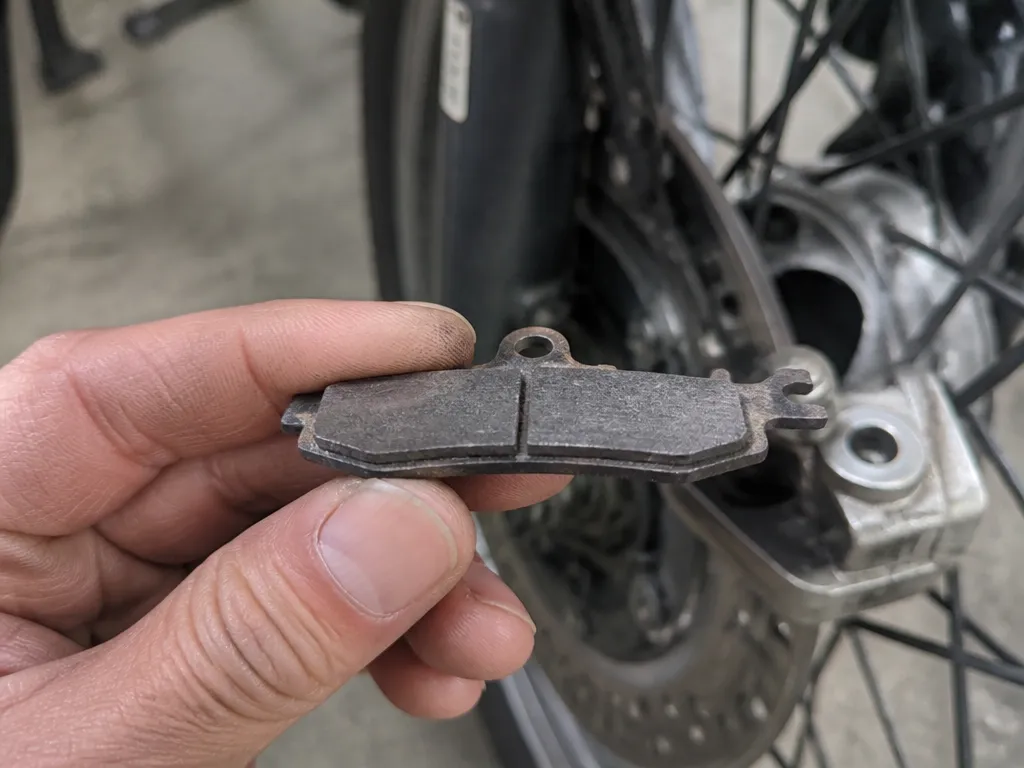
If your brake pads measure about 3mm of friction material, treat that as a “replace soon” checkpoint, not a dependable safe-life estimate. The remaining service life depends on the pad design, wear pattern, driving conditions, and the condition of the brake hardware.
There is no reliable mileage or time estimate that applies to every vehicle at 3mm. Heavy stop-and-go driving, hills, towing, hard braking, or uneven wear can use the remaining material quickly. Measure the thinnest area and plan replacement rather than relying on a general distance or calendar interval.
How Many Miles Do 3mm Brake Pads Last?
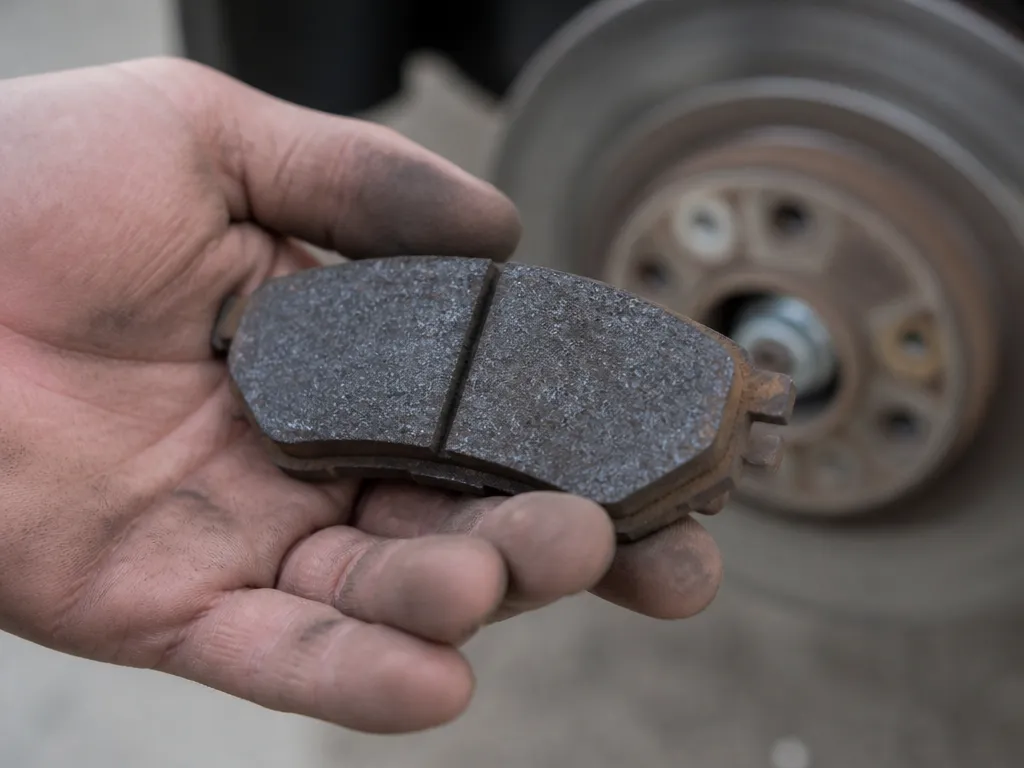
When brake pads are down to about 3mm, the remaining service window is uncertain. A precise mileage or time estimate cannot be calculated from thickness alone because the reading does not show how quickly the material is wearing or whether another pad is thinner.
Practical rule: treat 3mm as a reason to schedule replacement or a prompt inspection. If replacement must be delayed, recheck the thinnest pad soon and do not continue driving if warning signs or uneven wear appear.
Why 3mm Thickness Changes Braking And Wear Rate
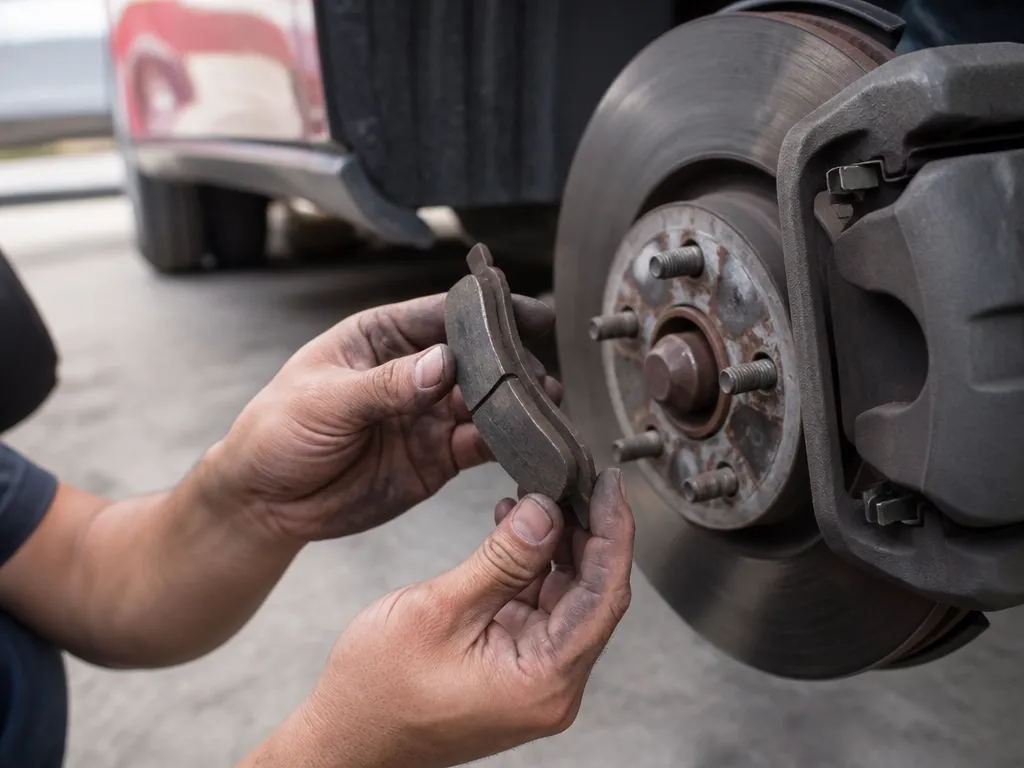
At around 3mm, there is less friction material available before the backing plate becomes exposed. That leaves less margin for uneven wear, overheating, or a brake component that is not moving correctly. The thickness reading does not by itself prove that braking performance has changed, but it does make the condition of the pads and rotors more important.
Friction Layer Remaining Vs Backing-plate Risk
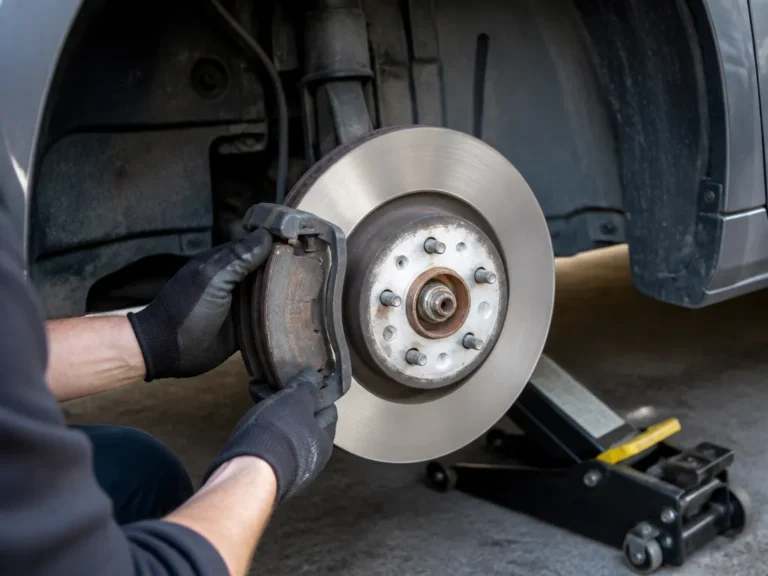
Brake pads contain a friction layer bonded to a backing plate. As the friction material becomes thinner, the remaining buffer before backing-plate contact becomes smaller. Uneven wear, such as a much thinner inner pad or a tapered pad, can make one part of the assembly reach the end of its usable material before the measured pad appears finished.
Heat Management And Repeated Braking
Repeated braking, long descents, heavy loads, and hard stops increase heat in the brake system. Those conditions can accelerate wear and may contribute to glazing or uneven surface wear. A pad at 3mm used in severe conditions should not be given the same timetable as one used under lighter conditions.
How Rotor Condition Changes The Remaining Life
Rotor condition can affect pad contact and wear. Grooves, rough areas, uneven wear, or a rotor that is not operating correctly can cause the pad to wear unevenly. That matters more when the remaining friction material is already limited.
In practice, the “3mm” reading is only part of the assessment. The other part is whether the pad is wearing evenly and whether the rotor, caliper, and pad hardware are operating correctly.
What Factors Change 3mm Brake Pad Lifespan The Most
Driving pattern, pad compound, vehicle load, brake cooling, brake hardware, and measurement accuracy all affect the remaining life. A reliable mileage range cannot be given from 3mm alone.
How To Estimate Your Remaining Life At 3mm
Estimate remaining life from your own wear history, then reduce confidence in that estimate if the pads are uneven or the vehicle is used severely. A 3mm reading alone cannot produce a dependable mileage figure.
When To Replace: Signs Beyond Just “3mm”
Replace the pads promptly when wear indicators, uneven thickness, warning sensors, or braking symptoms show that usable friction material is nearly gone. A 3mm reading is not a universal legal or mechanical limit. Follow the vehicle maker’s specification and use the thinnest pad on the axle for planning.
Replacement should include fitting pads as an axle set, correcting the cause of uneven wear, and checking the rotors before the vehicle returns to service. If grinding, severe pulling, major pedal changes, or visibly damaged pads are present, avoid driving until a qualified inspection confirms that braking is safe.
What Happens If You Delay Replacement After 3mm
Delaying replacement can turn a pad replacement into a rotor and hardware repair once the remaining friction material is exhausted. The timing is unpredictable because wear depends on driving, load, heat, and contact between the components.
| Condition | What can happen | Likely repair scope |
|---|---|---|
| Pad still has usable friction material | Wear continues, with limited margin for uneven wear or severe braking | Pads, with inspection of the rotors and caliper |
| Pad wears unevenly or reaches its wear indicator | One pad may become unsafe before the measured pad appears fully worn | Pads plus diagnosis of the cause of uneven wear |
| Friction material is exhausted | The backing plate can contact the rotor and damage its braking surface | Pads and possibly rotors, with related hardware checked |
| Rotor is scored, cracked, or badly uneven | New pads may not bed correctly against the damaged surface | Pads, rotors, and additional labor |
The important cost distinction is whether the repair needs pads alone or pads and rotors. Exact prices cannot be stated because they vary by vehicle, axle, parts, and local labor rates. Ask for separate prices for pads, rotors, labor, and any caliper or hardware work.
How The Failure Develops
Once the backing plate contacts the rotor, it can cut grooves into the braking surface and create uneven contact. That damage may require rotor replacement. Uneven pad wear can also point to a sticking caliper, seized guide pin, poor contact, or another brake-system problem, so replacing the pads without finding the cause may not solve the problem.
Brake response can become less consistent as the pad deteriorates, especially after repeated or heavy braking. Grinding, new vibration, pulling, or a change in pedal or stopping feel requires prompt inspection. Do not assume the vehicle is safe simply because the brakes still operate.
How Do Thicker Pads Compare To 3mm For Lifespan?
Brake pads measuring more than 3mm generally have more friction material remaining than pads at 3mm, but thickness alone cannot produce a reliable mileage figure. The result depends on the pad’s original thickness, its specified replacement point, its wear pattern, and the vehicle’s use.
The practical difference is the time available to arrange inspection. A reading above 3mm may allow more planning than 3mm, but neither reading provides a dependable timetable without an inspection history and an even wear pattern.
Maintenance And Habits That Help 3mm Last Longer
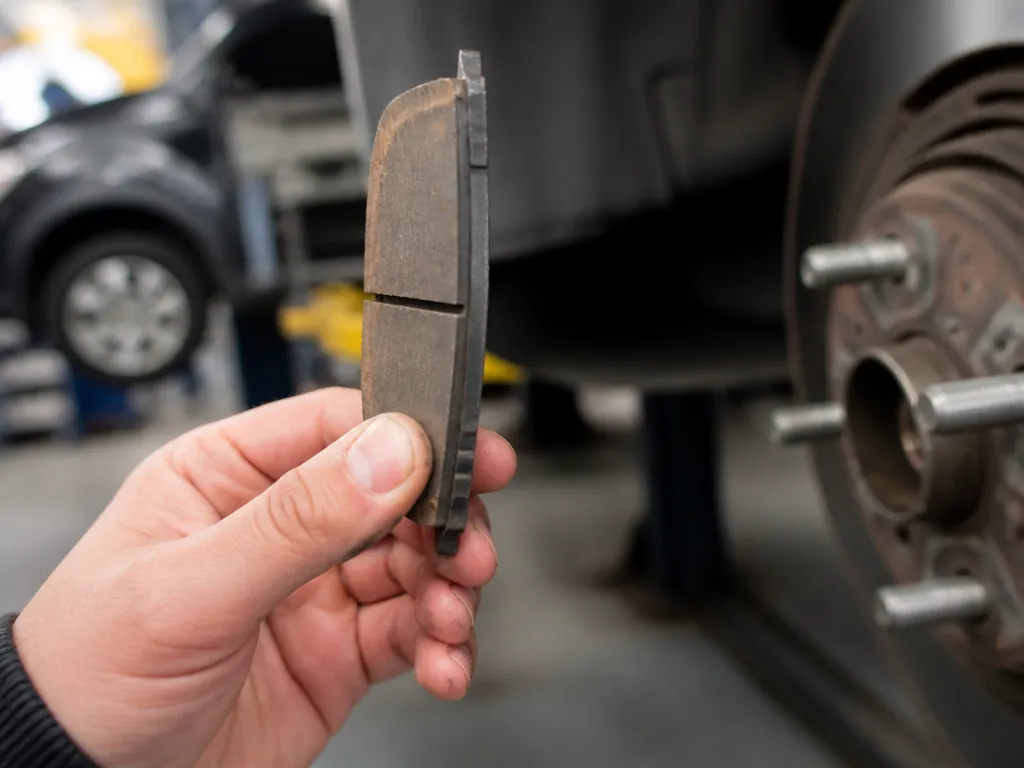
Once pads are near 3mm, reduce unnecessary heat and arrange replacement rather than trying to extend their life indefinitely. The following habits may reduce demand during the remaining interval, but they cannot correct a damaged pad, rotor, or caliper.
Quick Summary
If your brake pads are down to about 3mm, treat that as a replace soon checkpoint. There is no dependable mileage or time estimate from thickness alone, so inspect the thinnest pad, consider how the vehicle is used, and arrange replacement promptly.
| Condition that changes the outcome | Figure(s) to use | What it means for timing |
|---|---|---|
| Pad thickness is near the checkpoint | 3mm | Treat it as a replacement-planning point, not a guaranteed mileage reserve. |
| Uneven wear makes one area thinner | Thinnest measured area | The thinnest area controls the decision. A single average reading can hide a shorter remaining interval. |
| Severe use accelerates wear | 3mm as the checkpoint | Stop-and-go driving, hard braking, hills, towing, and heavy loads require a more conservative plan. |
Next action: Measure the pads on both sides where possible, note the wear pattern, inspect the rotors and hardware, and schedule replacement if the material is uneven, damaged, or near the vehicle maker’s stated limit.
Frequently Asked Questions
What Will It Cost To Replace Brake Pads Around The Time They Reach 3mm?
Exact cost depends on the vehicle, brake system, parts, labor rates, and whether the rotors or hardware also need work. No universal price can be applied to a 3mm reading.
Ask for a line-item quote separating pad parts, rotor work, labor, and any caliper or hardware repair. If rotor replacement is proposed, ask to see the measurements or condition supporting that decision.
Can I Wait Until My Next Scheduled Service If My Pads Are At 3mm?
A 3mm reading should prompt replacement planning or a timely inspection. Whether the vehicle can wait depends on the wear rate, the thinnest pad, the driving conditions, and the vehicle maker’s specification.
If replacement is deferred, set a short recheck point and inspect both sides for uneven wear. Do not defer the inspection if warning indicators, unusual noise, vibration, pulling, or a change in braking feel appears.
Do All Vehicles Have The Same “3mm” Replacement Urgency?
No. The same thickness can represent different remaining material depending on pad design, the stated replacement guidance, and how evenly the pad has worn. Driving conditions and vehicle load also affect how quickly the remaining material is used.
Measure both sides and use the thinnest reading. Also check whether the vehicle has wear sensors or active brake warnings.
What Happens If I Drive For Another Month With Pads At 3mm?
No fixed time period can be assumed to be safe. The remaining material may last longer under light use or disappear sooner with heavy braking, hills, traffic, towing, or uneven wear.
If driving cannot be avoided before inspection, monitor the brakes closely and arrange a prompt thickness and wear-pattern check. Stop using the vehicle and seek inspection if grinding, major vibration, pulling, or a pedal change occurs.
When Should I Stop Guessing And Get A Mechanic Inspection?
Arrange an inspection if the pads are uneven, the measurement is uncertain, or the vehicle develops vibration, unusual noise, pulling, or a change in braking feel. Inspection is also appropriate when the pad is close to the backing plate or a wear warning is active.
A useful inspection should check pad thickness on both sides, the wear pattern, rotor condition, and the caliper and pad hardware that could cause uneven wear.
How Can I Verify Whether Someone Else’s Pad-thickness Claim Is Accurate?
Confirm that the measurement refers to friction material rather than the backing plate, and ask where the measurement was taken. Compare the inner and outer pads and check both sides for uneven wear.
If a shop gives you a thickness number, ask whether both pads on the axle were measured and whether the wear pattern was inspected. A single visible outer-pad reading may not represent the thinnest pad.