Can You Start A Car Without A Serpentine Belt, And Risks
Starting a car without its serpentine belt may be possible, but it is not a safe way to operate the vehicle. Depending on the engine layout, the missing belt can stop the alternator, power-steering pump, air-conditioning compressor, water pump, or several of these accessories.
Leave the engine off unless a qualified technician needs a brief, controlled test. Do not drive the car without confirming which accessories the belt drives and whether the belt failure damaged a pulley, tensioner, or accessory.
Can You Start A Car Without A Serpentine Belt?
Sometimes. The starter uses the battery to turn the engine, so the absence of a serpentine belt does not necessarily prevent the engine from cranking or briefly starting. Whether it can continue running depends on which accessories the belt normally drives.
Starting and operating the car are different questions. If the belt drives the alternator, the battery may be the only available source of electrical power after the engine starts. If it drives the water pump, coolant circulation may also be affected. A belt-driven power-steering pump can remove steering assistance.
What Typically Happens When The Belt Is Missing
The engine may catch and idle briefly, then lose stability or stop. It may also sound normal at first even though the alternator, water pump, or steering pump is no longer operating.
The practical question is not only whether the engine will run. It is whether the vehicle can maintain charging, cooling, and steering assistance. Because those systems differ between vehicles, avoid using a brief startup as a test of roadworthiness.
How To Recognize You’re Missing The Belt Vs Other Faults
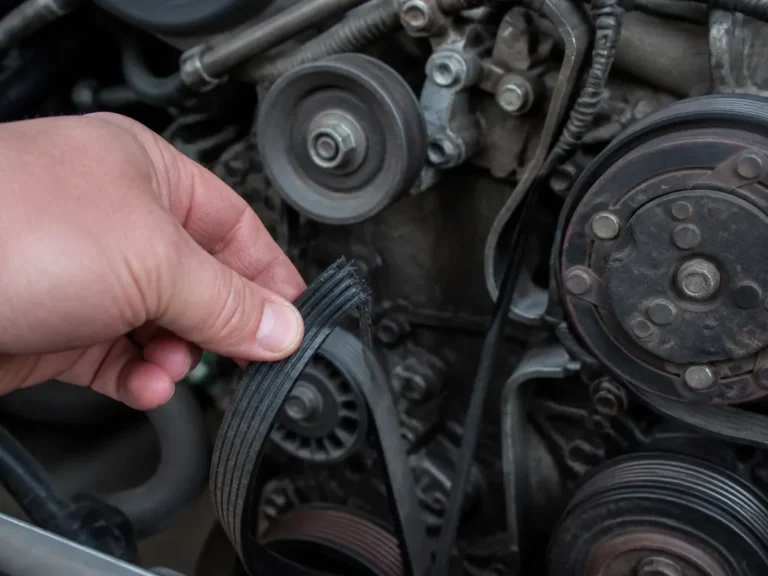
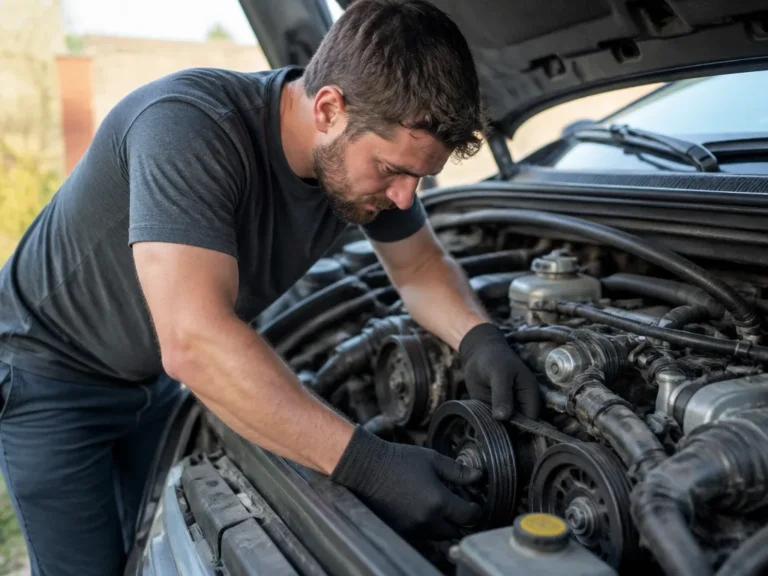
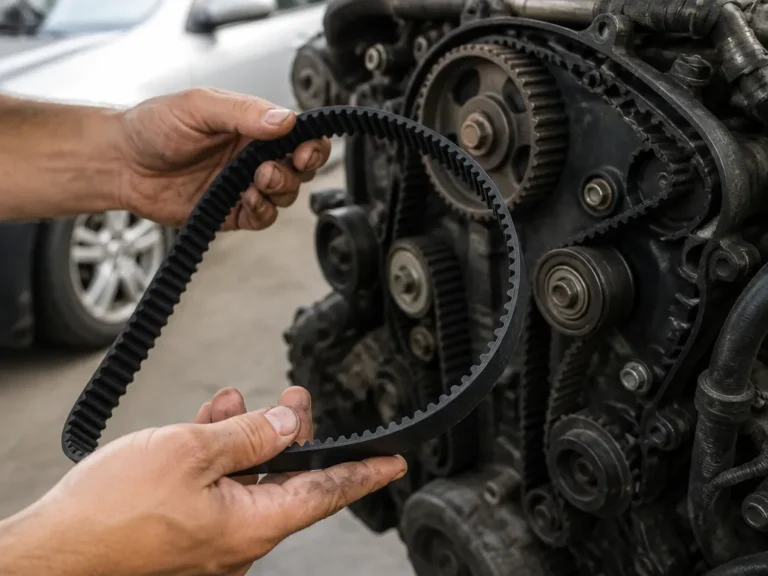
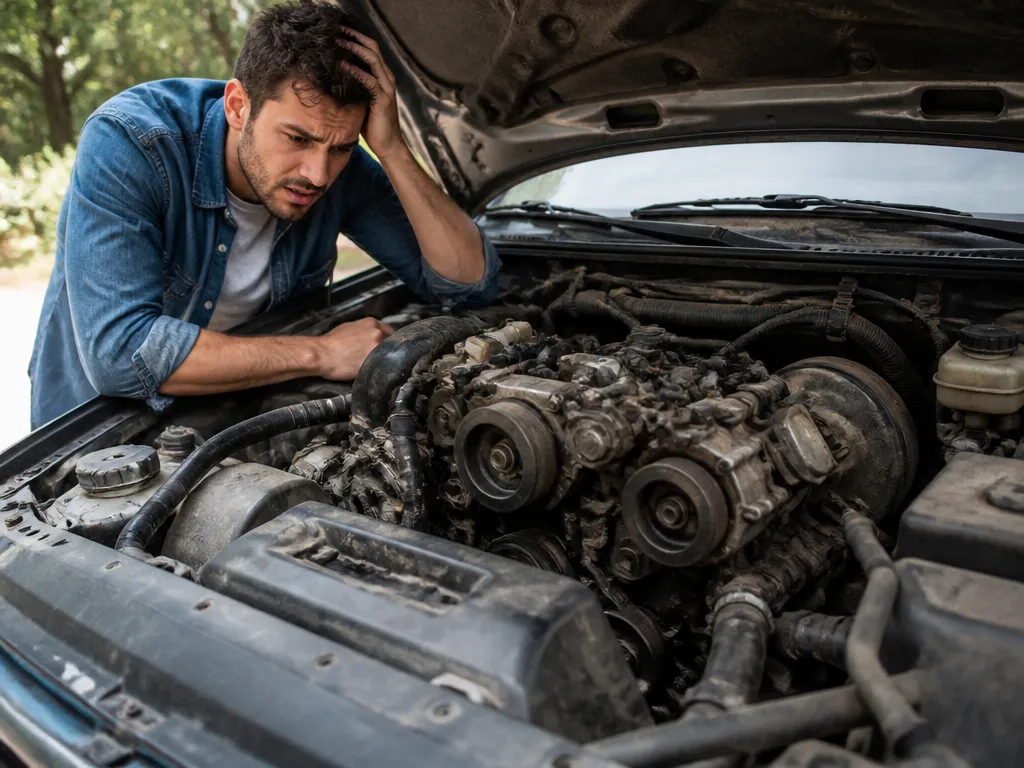
With the engine off, open the hood and inspect the belt path. Look for a belt that is missing, broken, displaced, or partly wrapped around a pulley. Use a flashlight if covers or surrounding components obscure the route, and consult the vehicle’s routing diagram or service information.
A charging warning or rapid loss of electrical power can suggest that the alternator is no longer being driven. A temperature rise can suggest loss of water-pump drive. If the belt is present and correctly routed, a rapid stall may have another cause, such as a fuel, ignition, sensor, or electrical fault.
What The Serpentine Belt Powers In Most Cars

The serpentine belt transfers engine power to accessories through a specific pulley route. The exact components vary by vehicle, so check the owner’s manual or service information before drawing conclusions from the belt’s absence.
Why The Answer Changes: Variables And Typical Numbers
There is no dependable universal time for how long an engine can run without its serpentine belt. The result depends on the belt route, battery condition, electrical load, engine temperature, idle control, and whether the water pump is belt-driven.
If the alternator is on the serpentine-belt route, the battery may have to supply the vehicle’s electrical systems after the belt stops turning the alternator. How long that lasts cannot be predicted safely from the belt alone.
If the water pump is belt-driven, continued running can create an overheating risk even if the engine continues to idle. A vehicle with a separate water-pump drive may not have that immediate cooling consequence, but it could still lose charging or steering assistance.
| Likely belt-driven loss | What you may notice first | What to do |
|---|---|---|
| Alternator charging | Charging warning, dimming electronics, or an eventual stall | Switch the engine off and arrange an inspection |
| Water pump | Temperature increase or an overheating warning | Stop immediately and do not continue running the engine |
| Air conditioning or power steering | Loss of cooling or increased steering effort | Do not drive until the belt system has been checked |
Engine speed and electrical or cooling demand can change the symptoms, but they do not create a safe operating window. The key details to verify are whether the alternator and water pump are belt-driven and whether the belt failure damaged another component.
What To Do Right Now If The Belt Is Off Or Broken
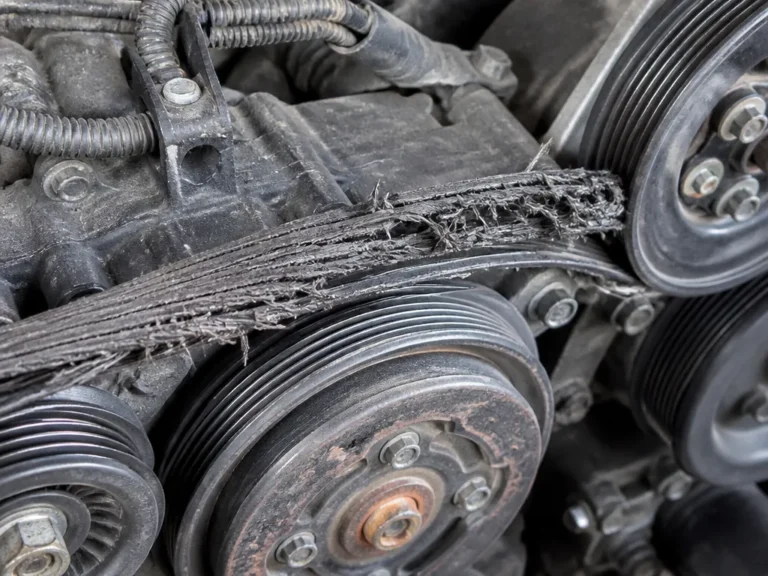
If you see a damaged pulley, a misaligned tensioner, or shredded belt material in the belt path, stop testing the vehicle and have the belt system inspected.
Risks Of Trying To Run The Engine Without The Belt

Running without the serpentine belt can disable one or more systems that the vehicle needs for normal operation. The exact risk depends on the engine design.
| What goes wrong | What’s usually happening mechanically | Likely result for the driver | Why it can cause damage |
|---|---|---|---|
| Battery discharge | The alternator is no longer driven | Charging warning, dimming electronics, or a no-start condition after the battery is discharged | The vehicle may be relying on stored battery power instead of normal charging |
| Overheating | The water pump is belt-driven and stops operating | Temperature rises or an overheating warning appears | Continuing to run an overheating engine can cause serious damage |
| Further belt-system damage | A damaged pulley, tensioner, or accessory remains unresolved | Noise, belt displacement, or another belt failure | A replacement belt can be damaged by the original fault |
| Power-steering loss | The power-steering pump is belt-driven | Steering effort increases, particularly during low-speed manoeuvres | The vehicle may be difficult to control safely |
| Electrical warning lights | Low system voltage affects electrical equipment | Warning lights or unusual electrical behaviour | Vehicle systems may not operate normally when voltage is inadequate |
The safest response is to stop moving the vehicle and identify which systems the belt drives. Do not rely on an engine that continues idling quietly, because a hidden charging or cooling problem may still be developing.
Common Failure Modes: Why Belts Snap Or Come Off
A broken or displaced belt is often a symptom of another problem. Inspect the surrounding components before fitting a replacement.
Match the visible failure pattern to the component that may have caused it. Replacing only the belt is unlikely to provide a lasting repair if the tensioner, idler, pulley, or accessory remains damaged.
How To Diagnose Serpentine Belt Problems Step By Step
Use a visual inspection first. Avoid placing hands near the belt path while the engine is running, and follow the vehicle’s service instructions for any rotating-component checks.
Decision rule: If the belt is damaged but the related pulleys and tensioner are correctly aligned and operate properly, the belt may be the starting point for the repair. If a pulley wobbles, binds, or feels rough, address that component before relying on a replacement belt.
Repair And Maintenance Plan To Prevent Repeat Failures

Repair the cause of the belt failure, not just the visible belt. A belt that came off or snapped should prompt an inspection of the complete belt drive.
Replace As A Set, Based On What Failed
Replace a belt that is worn, cracked, glazed, contaminated, or frayed. If the belt came off, inspect the tensioner, idlers, pulley alignment, and driven accessories. Replace any component that is damaged, loose, seized, or rough rather than installing a new belt around it.
Also correct fluid leaks and mounting problems. A new belt cannot track reliably if contamination or misalignment remains.
Do A Tight Post-replacement Inspection Checklist?
Follow the routing diagram under the hood or in the vehicle service information. Check that every ribbed section sits in a matching grooved pulley and that smooth sections contact the correct smooth surfaces.
Before running the engine, confirm that the belt is seated and that the tensioner is positioned as specified. After a controlled start, check for wandering, persistent squealing, vibration, rubbing, or unusual pulley noise. Stop if any of these signs appear.
Choose Diy Vs Shop Based On Accessibility And Cooling Risk
A DIY repair may be reasonable when the belt route is accessible and the cause is clear. Use a repair shop when the pulley system is difficult to inspect, a component is seized or misaligned, the water pump may be belt-driven, or the engine may have overheated.
Inspect the belt during routine servicing and respond promptly to squealing, repeated belt displacement, visible damage, charging warnings, or temperature warnings. The correct inspection interval and replacement procedure depend on the vehicle manufacturer’s instructions.
Quick Summary
Do not start or drive the car without its serpentine belt unless a qualified technician is carrying out a controlled diagnostic test. The engine may start, but the belt may drive systems required for charging, cooling, or steering.
A missing, displaced, or shredded belt requires an inspection of the tensioner, idlers, pulley alignment, and driven accessories before a replacement is fitted.
Next action: leave the engine off, inspect the belt path with the hood open, and arrange a tow or qualified inspection instead of attempting another start.
Frequently Asked Questions
How Much Should A Serpentine-belt Repair Cost?
There is no dependable single price. The total depends on the vehicle, access to the belt, labour time, and whether the failure damaged the tensioner, an idler, or another accessory.
Ask for an estimate that separates the belt, related parts, labour, diagnosis, and towing. If the belt came off or broke, ask what caused the failure before approving a belt-only repair.
Can I Recharge The Battery After The Belt Is Replaced And Keep Using It?
Have the battery and charging system checked first. Recharging the battery may restore enough power for starting, but it does not confirm that the alternator is charging correctly or that the belt is tracking properly.
Ask the repairer to verify the belt route, pulley operation, and charging performance. One successful restart is not proof that the repair is complete.
Is It Safe To Leave The Car Parked Overnight With The Belt Missing?
Leaving the engine off is safer than starting it. Make the missing or broken belt obvious to anyone who might use the car, and do not reach into the belt area unless the engine is off and the keys are away from the vehicle.
Arrange an inspection or tow rather than postponing the repair. The original cause may be a damaged pulley, tensioner, accessory, or fluid leak.
Does A New Serpentine Belt Need A Break-in Period?
A correctly installed belt should not require a special break-in drive. It should follow the specified route, sit fully in the pulley grooves, and run without persistent squealing, wandering, or visible vibration.
Stop the engine and have the installation checked if those signs appear. Incorrect routing, poor tension, contamination, or a damaged pulley can cause a new belt to fail.
How Can I Verify That A Shop Installed The Belt Correctly?
With the engine off, compare the belt path with the routing diagram under the hood or in the vehicle service information. Ribbed sections should sit in matching grooved pulleys, and smooth sections should contact the surfaces designed for them.
Ask what caused the original failure and which components were inspected. The explanation should address the belt, tensioner, idlers, pulley alignment, and any accessory that could have made the belt slip or break.
When Is A Mobile Mechanic Enough, And When Should The Car Go To A Shop?
A mobile mechanic may be suitable when the belt is accessible and the failure can be inspected safely at the vehicle’s location. A shop is preferable when a pulley is seized, the belt path is difficult to reach, the water pump may depend on the belt, or the engine may have overheated.
Request a tow instead of driving if the belt is missing, the temperature rose, warning lights appeared, steering effort changed, or the cause is unknown. This avoids operating the vehicle with unresolved charging, cooling, or steering problems.