How Long Can You Drive Without A Serpentine Belt? Stay Safe
Minutes is the realistic cutoff: if your serpentine belt is gone on a typical belt-driven cooling setup, you can often only drive long enough to pull over before overheating risk escalates fast, especially with higher engine load or warm weather. Some cars with an electric water pump may keep cooling longer, but they still can lose charging and other belt-driven accessories.
How long can you drive without a serpentine belt? There is no safe universal time, but for most cars with a belt-driven water pump, treat it as “minutes,” meaning drive only to the nearest safe stop. If your car uses an electric water pump, cooling may last longer, yet the battery can drain and charging may fail within a short distance.
How Long Can You Drive Without A Serpentine Belt? Before Overheating
There is no universal “safe time” to drive after the serpentine belt comes off. For most belt-driven cooling setups, you typically have only minutes to get to a safe stop because the water pump is no longer being powered, and overheating can escalate quickly.
Belt-driven Cooling: Expect Minutes, Not Miles
Most engines use the serpentine belt to power the water pump, and the cooling system needs continuous coolant flow to stay in the safe temperature range. Once the belt is gone, the engine can heat up fast, especially in traffic or hot weather, and “it was fine for a few miles” can be luck rather than a reliable limit.
Practical rule: plan for the shortest time possible. If the belt breaks or slips and the gauge starts to rise, you should stop immediately and avoid trying to “see if it cools down later.”
Electric Cooling: Longer Is Possible, But Still Not Safe To Guess
Some vehicles use an electric water pump or electric fans that can run after belt failure, so the engine may tolerate longer than a belt-driven pump car. Even then, continued driving is not automatically safe because the electric pump may still require power from the charging system, and the battery will eventually run down.
For this reason, “longer” is not the same as “safe.” The engine’s temperature can still climb if coolant circulation is insufficient or if the control system cannot maintain flow under load.
| Cooling setup | What changes when the belt is gone | What to assume about time-to-overheat |
|---|---|---|
| Belt-driven water pump | Coolant circulation stops | Minutes to safe stop |
| Electric pump or boosted electric circulation | Some cooling may continue, but power and capacity still limit it | No guaranteed window |
Why No Universal Time Exists
Even within “same car model,” the outcome depends on conditions you control and variables you cannot easily measure on the road. Some belts fail abruptly, others slip and slowly reduce water pump speed, and the temperature rise rate changes with speed, ambient heat, and how much cooling air the radiator gets.
My position: treat belt loss as an immediate stop condition unless you can confirm the cooling system is still operating with the belt removed.
To determine model-specific behavior, you need the vehicle’s cooling design. Check the owner’s manual or service info for “water pump drive” and whether cooling depends on belt rotation; if you cannot confirm, do not assume the engine will survive multiple minutes.
What The Serpentine Belt Stops Driving
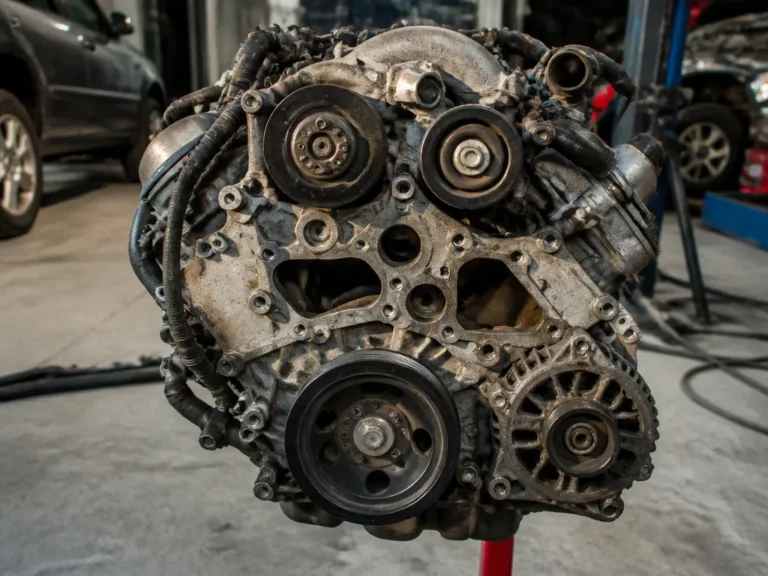
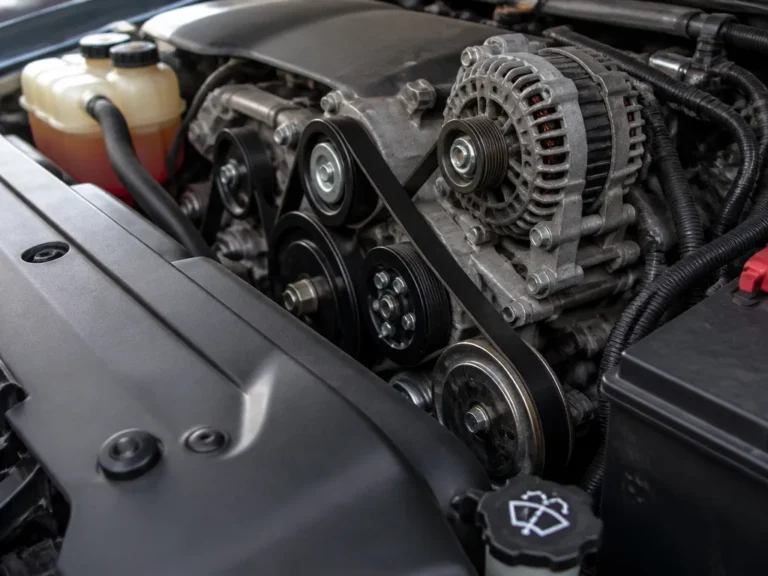
With the belt gone, several critical loads stop getting driven by the engine. The alternator stops charging the battery, the power-steering pump stops providing assist (on most cars), and the air-conditioning compressor usually stops cooling. Cooling can also be affected because many engines use the belt to run the water pump, which can make overheating happen quickly.
Alternator And Battery Charging
When the alternator stops turning, the battery becomes the only electrical source. After the battery voltage drops, headlights dim, the engine management system can behave unpredictably, and the vehicle may stall. The risk is higher in cold weather, with frequent high-current loads like defrosters and blower fans, because the battery drains faster.
Water-pump Circulation (Belt-driven Vs Electric)
Many engines use the serpentine belt to spin the water pump, so belt failure can remove coolant circulation. That can lead to rapid temperature rise and severe engine damage. Some vehicles use an electric water pump or run cooling by other means, so they may keep circulating longer after the belt fails, but you still should assume overheating risk until you confirm.
Because design varies by model and engine, the right move is to treat the belt failure as a cooling emergency unless you know your exact system. Check the temperature gauge right away, and if the gauge climbs or you see an overheating message, stop as soon as it is safe.
Power Steering And Accessory Loss
When the power-steering pump stops turning, you usually lose power assist and steering effort rises sharply. Low-speed driving becomes hard, especially with parking maneuvers, and high-speed control can feel heavier. Accessory loss also often includes air-conditioning, and that can increase cabin heat.
Warning Lights, Noise, And Possible Stalling
Once the belt is missing or broken, you can see a charging warning light, temperature warning light, or “check engine” indicators as the vehicle tries to compensate for electrical and accessory loss. Noise often changes quickly too, such as squealing before failure, then quiet or rattling after the belt breaks. Stalling is a realistic outcome when battery voltage falls low or when engine loads and control systems can no longer maintain stable operation.
My position for safety: treat belt loss as a short-distance-to-stop situation, even if the engine initially runs.
The actionable sequence is straightforward: get the car off the road, shut down the engine if you see overheating indicators, and do not attempt to “see if it will make it home.” If you have to move at all, keep speeds low and avoid repeated restart attempts that can further drain the battery.
| System | What the belt provides | Immediate consequence when the belt is gone |
|---|---|---|
| Alternator | Engine-driven charging | Battery-only power, dimming and eventual stall risk |
| Power steering pump | Hydraulic assist | Heavy steering, especially at low speeds |
| A/C compressor | Refrigerant compression | No cooling, higher cabin heat load |
| Water pump (many models) | Coolant circulation | Overheating risk if the pump is belt-driven |
Two Cooling-system Scenarios
A missing serpentine belt halts the normal drive to a belt-driven water pump, so coolant circulation is greatly reduced and the engine heats up. In a typical belt-driven system you should assume overheating can begin within minutes; electric-pump configurations can buy more time, but battery and charging limits still cap how far you can travel.
Scenario A belt-driven water pump means the pump loses its normal drive when the belt is gone. Cooling then relies on remaining coolant, radiator airflow, and any electric fans that still operate, but without normal pump circulation heat can concentrate near the engine core. Expect the risk of reaching critical temperatures within a few minutes to a quarter hour under normal conditions, with faster deterioration in hot weather or heavy engine load.
Scenario B electric water pump uses an electric pump that can continue circulating coolant after the belt failure, but it draws from the electrical system. The window to drive depends on the battery’s state of charge and the vehicle’s independent charging capability, if available, as well as how aggressively you use electrical accessories. A healthy, well-charged battery and an independent charging system can extend the window, but any drop in electrical supply or battery voltage reduces cooling capability and raises the chance of a shutdown or forced stall.
| Condition | Approximate Safe Window | Notes |
|---|---|---|
| Scenario A hot day city driving | 5 – 15 minutes | Cooling relies on limited pump action and fans. |
| Scenario A highway with airflow | 10 – 25 minutes | Better cooling from airflow extends the window a bit. |
| Scenario B healthy battery and charging | 15 – 60 minutes or more | Electrical support matters; drive conservatively. |
Emergency rule: if the temperature spikes or the coolant alert illuminates, stop at a safe place and arrange roadside help rather than pressing onward.
How To Identify Your Vehicle’s Setup
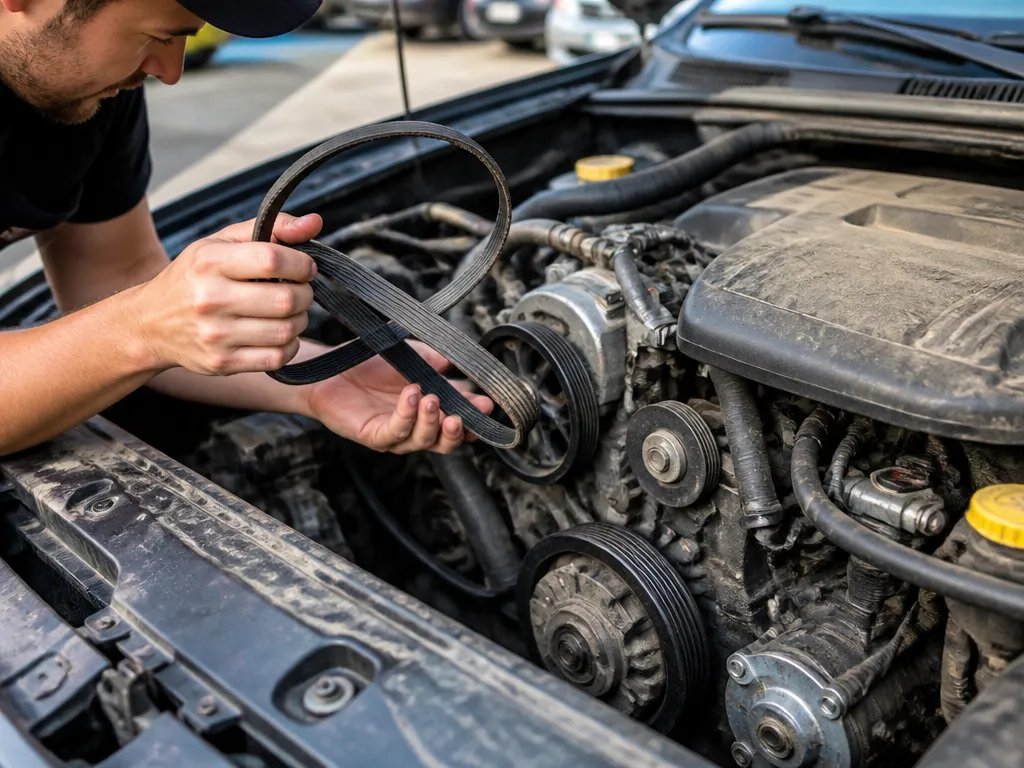
Check the owner’s manual or service information to determine whether the water pump is belt-driven or electric. This model-specific detail determines whether the belt failure removes normal coolant circulation or leaves an electric pump operating.
What To Do After Belt Failure
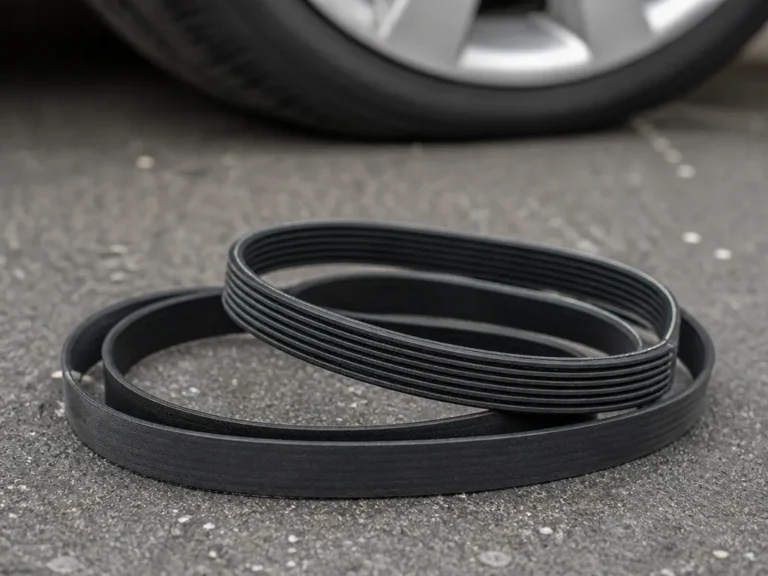
The belt drives the alternator, water pump, and other accessories; its loss means you risk battery drain, overheating, and loss of essential systems. Safest course is to pull over quickly, power down as needed, and call roadside assistance for a belt replacement or tow.
With help on the way, avoid resuming driving until the belt is replaced and the cooling and charging systems are confirmed functional by a technician.
Damage Risks And Prevention
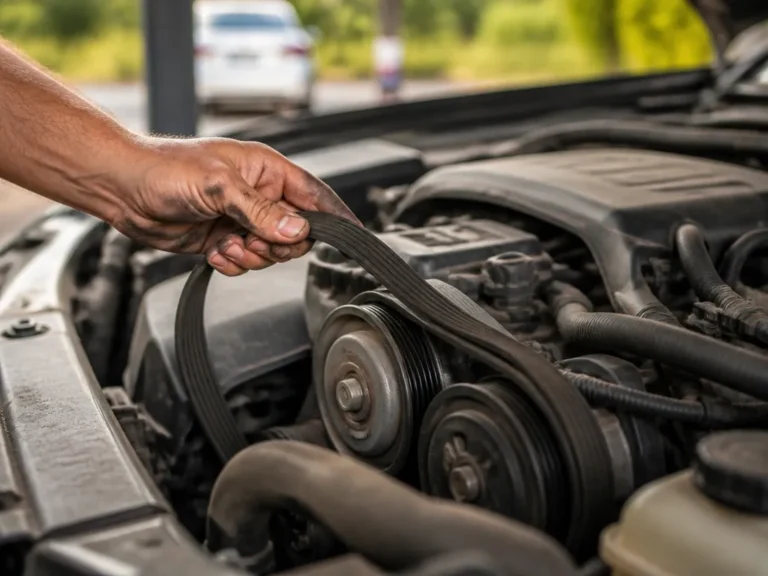
Actionable steps in a breakdown scenario: pull over safely away from traffic, turn off the engine to prevent further heat buildup, and assess belt condition only if it is safe to do so. Do not continue driving with a damaged or missing belt; arrange a tow to a shop. If you have the correct spare belt and the know-how, a roadside swap can be attempted only in a flat, safe area with the exact belt routing, otherwise pursue professional service.
Quick Summary
The belt loss also affects steering, charging, and air conditioning. Electric-pump vehicles may retain some cooling, but the available time depends on their electrical design and cannot be guaranteed. Stop if the temperature gauge climbs or a coolant warning appears.
Frequently Asked Questions
How Long Can You Realistically Drive After A Serpentine Belt Failure Before Risking Engine Damage?
There is no safe duration. In most cars, overheating can happen within about 5 to 15 minutes after the belt breaks, depending on engine load and ambient conditions.
What Is The Typical Cost To Replace A Serpentine Belt Including Labor?
Costs vary by vehicle and shop, but a typical total ranges from $150 to $400.
Does An Exception Apply If My Car Has An Electric Water Pump Or Electric Accessories?
If your car uses an electric water pump, coolant flow may continue briefly after the belt fails, but you still risk overheating. You might have only a few minutes before heat becomes dangerous, so do not rely on that to drive to a repair.
What Happens If You Keep Driving With No Serpentine Belt?
You will lose power steering and alternator charging, and the engine can overheat; continued operation can cause damage such as warped components or a seized engine, especially in hot weather or when climbing hills.
When Should I Get Professional Help For Serpentine Belt Problems And How Can I Verify A Claim Myself?
If the belt shows signs of failure or you hear squealing, call for help rather than continuing to drive. To verify a claim yourself, do a safe visual check for cracks or missing belt and note if you can twist the belt more than a 90 degree angle; if so, treat it as a failure and seek professional assessment.