
What To Check: Symptoms Of Serpentine Belt Slipping And Fixes
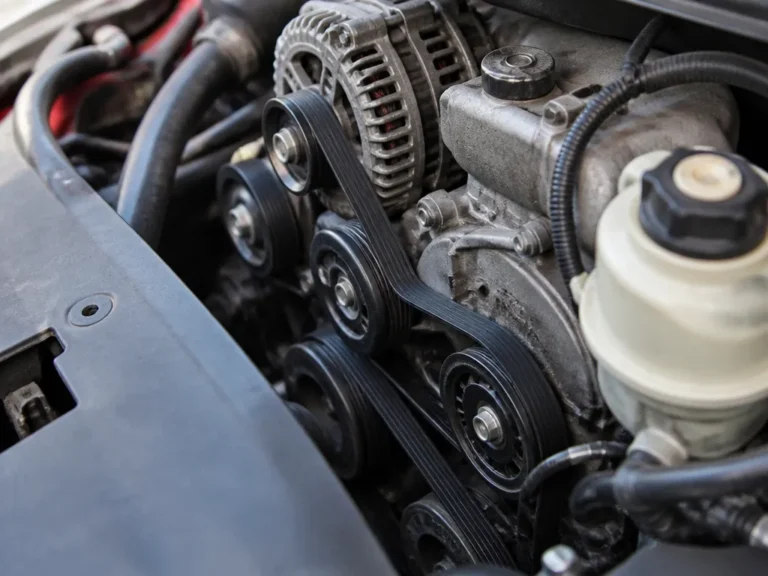
A squealing or chirping sound from the front of the engine that changes with engine speed can indicate serpentine-belt slip. A belt that looks frayed, cracked, glazed, loose, or off-center also needs prompt attention. Do not keep driving simply to see whether the noise disappears, because the belt may be failing or another belt-drive component may be causing the problem.
Depending on the vehicle, belt slip can affect charging, hydraulic power steering, cooling, or other belt-driven accessories. If you notice slipping signs together with reduced charging, heavier steering, overheating, or a warning light, stop driving when it is safe and arrange an inspection.
What Are The Signs A Serpentine Belt Is Slipping?
Serpentine-belt slip can produce sounds, visible wear, and changes in the operation of belt-driven accessories. None of these signs proves the belt is slipping by itself, since worn pulleys, bearings, tensioners, and accessories can create similar symptoms.
A noise that tracks engine speed, visible belt deterioration, and accessory problems together make belt-system inspection more important. Because other components can produce similar signs, confirm the source before replacing parts.
Why Slipping Belts Produce These Signs

A serpentine belt transfers engine rotation to several accessories. When belt grip, tension, or alignment is inadequate, that transfer can become uneven. The result may be noise, visible wear, or inconsistent accessory operation.
The useful clue is the pattern. Symptoms that change with engine speed or accessory load are more suggestive of a belt-drive issue, although they still require inspection to identify the failed part.
What Actions To Take When You Notice Slipping Signs
If you are unsure whether the belt is responsible, avoid prolonged driving until the cause is known. If a short trip to a repair facility is unavoidable, stop immediately for worsening noise, a charging warning, heavier steering, a rising temperature gauge, smoke, or any sign that the belt is coming apart.
What Happens If You Ignore Slipping Signs
Ignoring a slipping-belt symptom can allow the belt or another belt-drive component to deteriorate further. The consequences depend on which accessories the belt drives and whether the belt eventually slips more severely, comes off, or breaks.
| Ignored symptom trend | What can fail next | Practical risk to you | Why it happens |
|---|---|---|---|
| Persistent slip with worsening noise | Loss of drive to one or more belt-driven accessories | Possible overheating, charging loss, steering-assist loss, or a roadside breakdown, depending on the vehicle | The belt may no longer transfer engine rotation consistently |
| Slip with charging or voltage warnings | Reduced alternator output or battery discharge | The vehicle may eventually stop running or fail to restart | A slipping belt may not drive the alternator reliably when the alternator is belt-driven |
| Slip with changed steering feel | Reduced power-steering assistance on vehicles with belt-driven hydraulic steering | Steering may require more effort | The belt may not drive the hydraulic pump consistently |
| Slip followed by fraying, looseness, or belt separation | Belt detachment or breakage | Several accessories may stop operating at once, with a possible breakdown | Wear, poor tension, contamination, or misalignment can weaken belt engagement |
If the belt breaks or comes off, the effect can be immediate. Depending on the vehicle, charging, power steering, cooling, or other belt-driven functions may be lost. Stop for warning indicators, overheating, steering changes, or a belt that appears to be coming apart.
Risk Grows With How Far The Belt Has Progressed
A brief noise may have a relatively simple cause, but continued operation can worsen belt wear or place stress on the tensioner, idler pulleys, and accessories. The vehicle-specific consequences depend on which systems the belt drives.
What To Do If You Must Drive At All
Drive only the minimum distance needed to reach a safe location or repair facility, and do not continue if the noise worsens or any charging, overheating, or steering symptom appears. Towing is the safer option when the belt is visibly damaged, loose, off-center, or actively slipping.
Edge Cases And Misdiagnoses When Signs Point Elsewhere
A squeal or accessory problem does not prove that the serpentine belt itself is slipping. Several nearby components can create similar symptoms, so diagnosis should cover the belt, pulleys, tensioner, and affected accessories.
If the source is uncertain, compare the sound, belt condition, warning indicators, and accessory behavior without placing the vehicle at risk. Avoid touching the belt system while it is moving, and have a qualified technician confirm the failed component.
Quick Summary
Squealing or chirping that follows engine speed, visible belt damage, incorrect tracking, and changes in belt-driven accessories are reasons to inspect the serpentine-belt system. Because similar signs can come from pulleys, tensioners, accessories, or electrical faults, the symptom pattern does not by itself identify the exact repair.
| Condition that changes what you should do | Figure / threshold | Your decision |
|---|---|---|
| Persistent squeal or chirp that returns as engine speed changes | No exact threshold found in the provided research pack | Arrange an inspection promptly and do not keep driving to test the noise. |
| Visible looseness, fraying, cracks, glazing, contamination, or off-center tracking | No exact threshold found in the provided research pack | Stop using the vehicle if the belt appears unsafe and have the belt system checked. |
| Unstable charging, changed steering feel, or another affected belt-driven function | No exact threshold found in the provided research pack | Reduce driving and arrange service quickly, particularly if a warning light appears. |
| Rising temperature, steam, or another overheating sign | No exact temperature number found in the provided research pack | Stop the engine when safe and seek assistance rather than continuing to test it. |
Next action: Arrange a professional inspection of the belt, tensioner, idler pulleys, pulley alignment, and belt-driven accessories. Avoid extended driving until the cause is confirmed and repaired.
Frequently Asked Questions
How Much Does It Usually Cost To Fix A Slipping Serpentine Belt?
The cost depends on whether the repair needs only a belt or also a tensioner, idler pulley, accessory, leak repair, or other parts. Labor rates and vehicle design also vary. Ask the shop to separate parts and labor and to identify which components showed wear or a fault.
No reliable exact price is available here, so an estimate from a shop that has inspected the vehicle is more useful than a generic figure.
How Soon Should I Schedule Service After I Notice The Symptoms?
Arrange an inspection promptly when symptoms repeat, especially if the belt is visibly damaged or an accessory is not working normally. Do not wait for the belt to fail if you also notice overheating, charging problems, or a change in steering effort.
Even an intermittent symptom should be checked before a long trip, because the cause may be a belt, tensioner, pulley, or accessory that is deteriorating.
Can I Drive Briefly To Reach A Shop, And What Changes That Recommendation?
A short trip may be possible only when the symptoms are mild, the belt appears intact and correctly tracked, and there are no charging, overheating, or steering warnings. Keep the trip as short as possible and stop if the condition changes.
If the belt is frayed, loose, off-center, or visibly slipping, or if a warning indicator appears, towing or roadside service is the safer choice.
What If The Belt Looks Fine, But I Still Hear A Squeal Or Feel Power Accessory Issues?
The noise may come from a pulley bearing, tensioner, accessory, another belt, or an electrical fault rather than the belt surface. Have the full belt path and the affected system checked instead of replacing the belt solely because it squeals.
Note whether the sound changes with engine speed or accessory use, but do not place your hands near a moving belt or pulley while testing.
How Can I Verify The “Slipping” Diagnosis Myself Before Buying Parts?
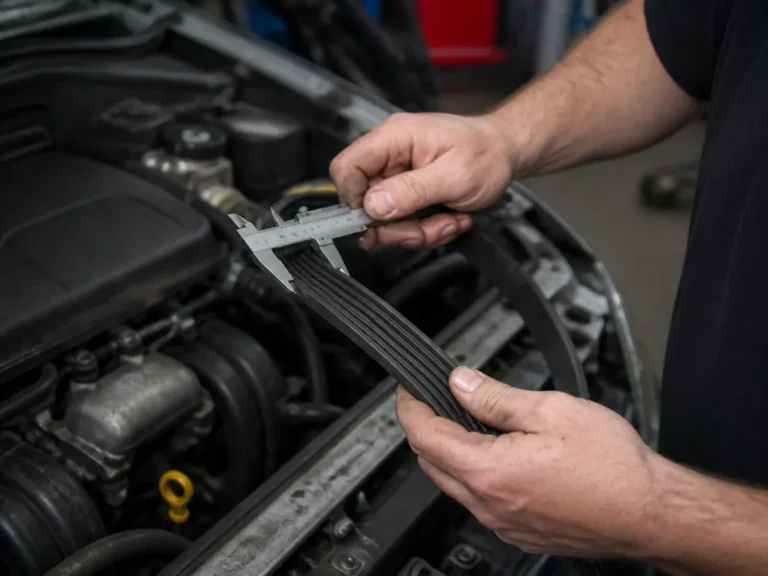
With the vehicle off and the engine cool, inspect the belt for cracks, fraying, glazing, contamination, incorrect routing, and off-center tracking. Look for obvious problems without touching moving components.
If the engine must be run briefly for diagnosis, keep clear of the belt system and follow appropriate safety precautions. A change in noise with engine speed or accessory load can support a belt-system diagnosis, but it does not identify the exact failed part.
What Happens If I Do Nothing And Keep Driving?
The belt or a related component may deteriorate further, and the belt could come off or break. Depending on the vehicle, that can affect charging, hydraulic power steering, cooling, or other belt-driven functions.
Stop for worsening noise, visible belt damage, a warning indicator, heavier steering, a rising temperature gauge, smoke, or steam. Those signs need attention rather than continued driving.