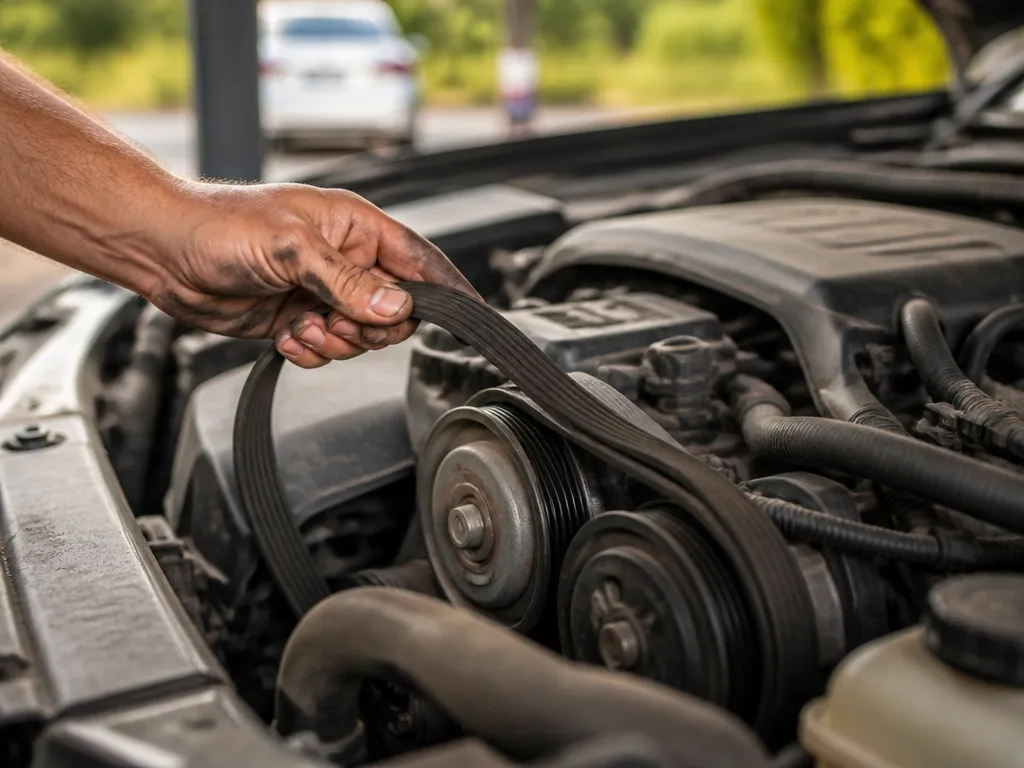
Can The Serpentine Belt Cause Car To Shake? Belt Vibration Diagnostics
Yes, a serpentine belt can make the car shake, most often when the belt is worn, glazed, misrouted, or when a tensioner or pulley is loose or sticking. If the shake gets worse with steering, lights, or AC load, that points toward belt-driven accessories fighting for traction and belt tension. The fix is usually mechanical, not “just a balance issue.”
Serpentine belts can cause shake when belt grip or tension is inconsistent, especially if the belt is cracked, frayed, or the tensioner arm moves more than it should. A common threshold is obvious belt damage plus vibration that changes with engine load, for example at idle versus idle with AC on. That combination is a strong belt/tensioner lead.
Can The Serpentine Belt Cause Car To Shake?
A serpentine-belt system can cause car shake when belt grip, tension, or pulley alignment changes under load. Belt-related shake is usually a drivetrain vibration that shows up at certain engine speeds, climbs or drops as accessories load/unload, and may come with belt noise or erratic accessory performance.
Car shake becomes plausible with a serpentine belt because the belt is a moving, friction-driven link between the engine’s crankshaft and multiple rotating accessories. If the belt is slipping, the belt tensioner is weak, or a pulley is rough or misaligned, the load on the engine pulses, which the engine mounts and drivetrain then transmit to the body as vibration.
Milestone for action: if the shake correlates with RPM and you see belt wear or noise, service the belt system components (belt, tensioner, and any suspect idlers) before chasing deeper engine causes.
How Belt Mechanics Drive Vibration?
Belt-driven accessory problems shake a car when the belt loses grip or changes its load rhythm, because the accessory drive then injects uneven torque into the crankshaft and front engine mounting points. Worn belt edges, glazed rubber, a weak tensioner, or a pulley that sits at the wrong angle all create speed ripple that travels through the engine and mounts into the body and steering.
Belt Wear And Slip Create “Torque Ripple”
Serpentine belts transmit torque through friction. When friction drops, the belt can micro-slip during load changes (AC compressor cycling, power steering load, alternator current steps), so the effective drive torque oscillates rather than staying smooth.
Slip shows up mechanically as heat and belt condition changes, and it shows up driving as vibration that often tracks engine load more than vehicle speed. For diagnosis, focus on belt condition and signs of heat, because slip usually leaves physical evidence.
Judgment call: if the belt looks heat-damaged or shows rib wear that matches the vibration conditions you feel, treat belt slip as the top mechanical suspect before replacing unrelated mounts.
Tensioner And Pulley Misalignment Force Side-load Vibration
A belt is designed to run in a specific plane. If the tensioner is weak, sticking, or if any pulley is mispositioned (worn bearing, bent bracket, incorrect pulley seating), the belt runs with higher lateral load, which adds a new vibration path through the bracketry that holds the engine and accessories.
Misalignment can also cause uneven wear, and uneven wear becomes a feedback loop because the belt’s thickness and rib engagement vary as it rotates. That makes the vibration repeat reliably with belt revolutions, which is why the same shake can feel “timed” or rhythmic.
Where The Vibration Goes: Engine Mounts, Steering, And Cabin
Vibration enters the body through the engine block and accessory bracket structures that connect to engine mounts. Once the mounts transmit oscillation, the cabin feels it through the floor, steering column, and sometimes the seat, depending on where the excitation is strongest.
In practice, the vibration “path” changes the way you notice it: steering-wheel shake often points to front-end excitation near the accessory drive and mounts, while seat or floor shake often tracks engine mount transmission. The belt itself usually is quiet at rest, so the shake tends to show up when the accessory loads change or when the belt is spinning under varying torque.
| Root belt/mechanical issue | Main vibration mechanism | What you can infer about the path |
|---|---|---|
| Worn or glazed belt | Friction loss leads to micro-slip and torque ripple | Engine mount transmission, often changes with accessory load |
| Weak or unstable tensioner | Tension variation changes belt loading rhythm | Front engine mount and accessory bracket excitation |
| Misaligned pulley plane | Lateral belt forces increase excitation into brackets | More likely to show up in steering and front structure |
| Pulley bearing wobble | Periodic belt tracking change at pulley rotation frequency | Repeatable rhythmic shake felt in cabin and steering |
Shake Symptom Catalog
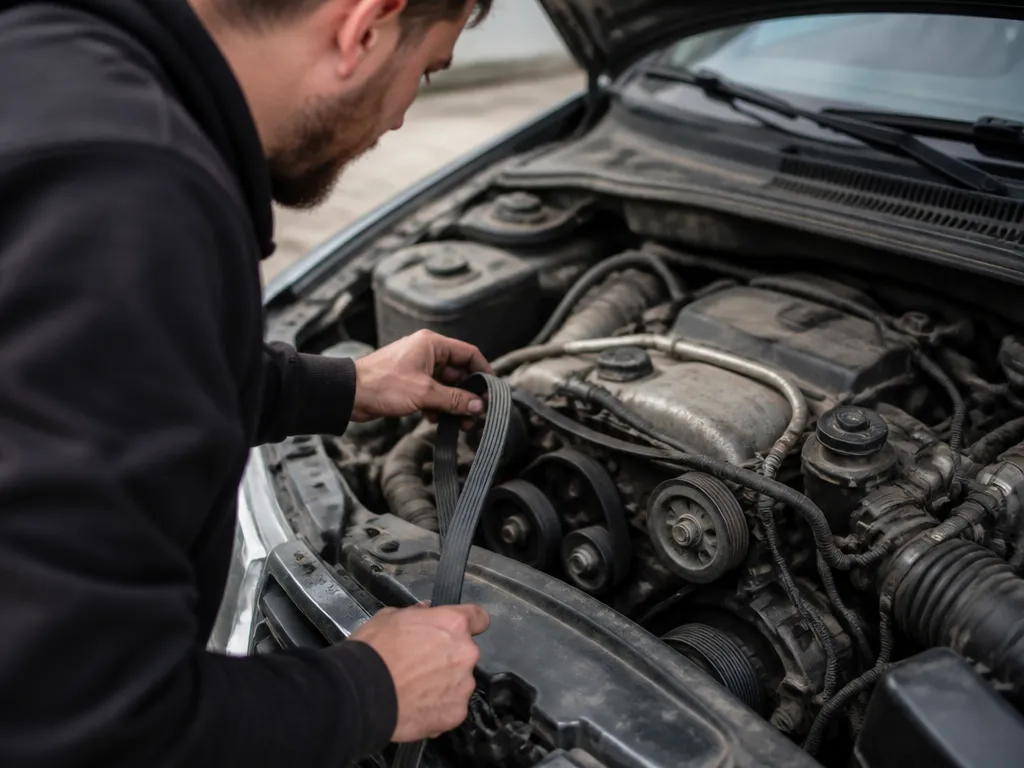
Serpentine-drive vibration shows up as repeatable shake patterns that change with load, engine speed, and whether accessories are active. A belt, tensioner, or pulley problem can create either a whole-car shake (system-wide torsional ripple) or a localized, rhythmic shake that tracks pulley rotation.
For a quick severity gauge, treat “when it happens” and “what changes it” as your triage knobs. Stronger severity is when the shake appears across a wide speed range, worsens under electrical or A/C load, or comes with belt distress (noise, glazing, cracks, missing chunks).
| Observed pattern | Likely belt-drive role | How you treat it |
|---|---|---|
| RPM-tracked shake with belt noise or dust | Grip loss or tension control issue | Plan belt/tensioner inspection promptly |
| Thumping/grinding plus shake | Pulley bearing or pulley damage | Do not delay diagnosis |
| Visible belt cracks or chunks | Belt failure risk | Service/replace soon to avoid breakdown |
| Only idle vibration, no belt distress | Possible belt, but mount causes compete | Use targeted tests before parts swapping |
Step-by-step Belt Diagnostic
Worn belt edges, glazed or cracked rubber, and failing belt tensioner or idler pulleys are common reasons a drive system can shake the vehicle. Belt issues can also create a steering pull, a cyclic vibration under load, or a rhythmic shudder at idle, especially when accessories engage.
Routing And “Quick Proof” Checks You Can Do At Home
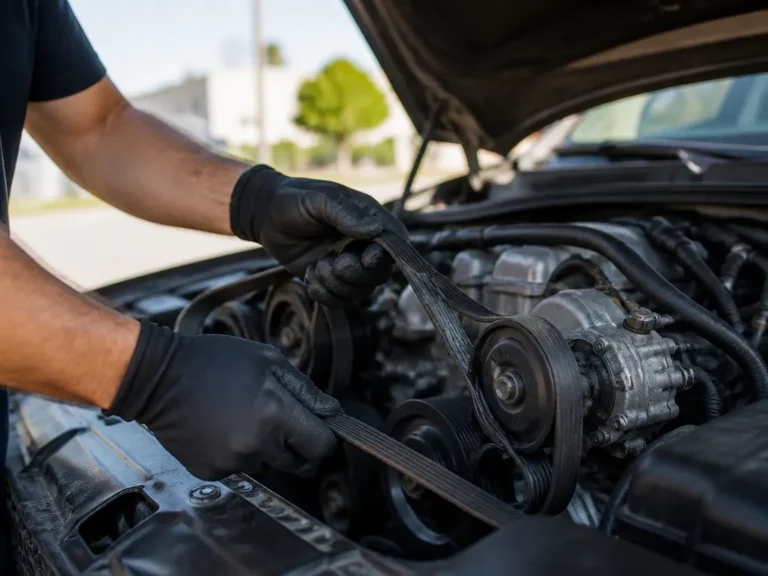
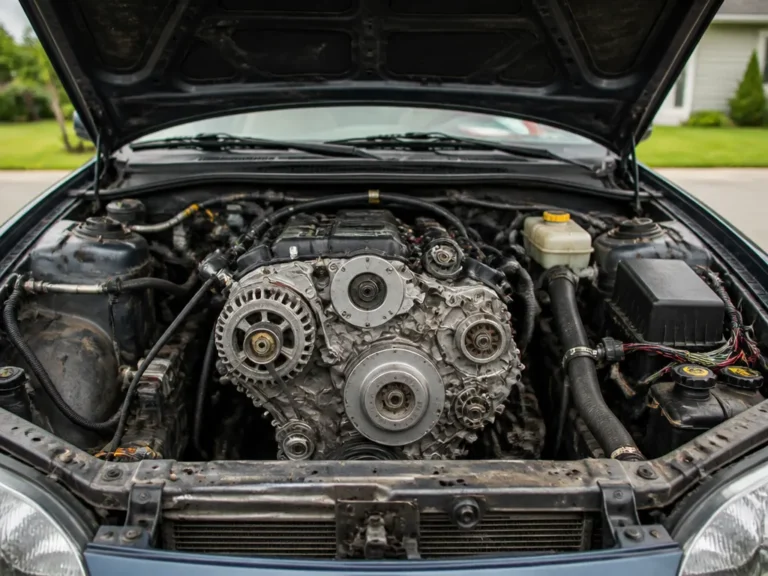
Serpentine belts often fail because of incorrect routing after a prior service, a missing pulley bracket, or a belt length mismatch. Use the under-hood routing diagram (usually on a sticker near the radiator support) or the routing diagram in your service literature, then confirm each pulley contact matches the diagram before starting the engine.
| What you observe | Most likely belt-system cause | What to do next |
|---|---|---|
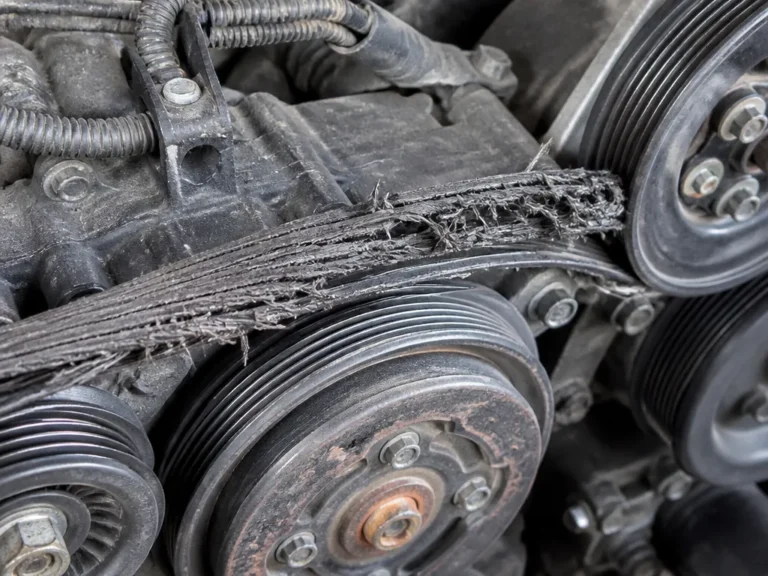
| Cracks, frayed edges, missing ribs | Belt degradation | Replace belt, then inspect tensioner and idlers for the reason it aged |
| Glazing or oil wetness | Fluid contamination, leaking seal, or oil on pulleys | Clean and find leak source, inspect pulley faces |
| Growl or rough spin when pulleys are turned by hand | Idler or tensioner bearing wear | Replace the faulty pulley/tensioner assembly |
| Squeal during load changes or steering | Low tension or sticking tensioner | Re-check tension method, confirm tensioner movement free and spring return |
Professional milestone: if visual condition looks acceptable but vibration persists, insist on a belt system check that includes measured tension using the model’s method and confirmation that pulley faces and alignment match the routing diagram.
If you want the tightest diagnosis, do the sequence exactly as written, then stop when you find the first hard evidence (cracked/oily belt, rough pulley, incorrect routing, or load-correlated squeal). Replacing parts “just to see” usually costs more because pulley bearing wear and contamination keep killing new belts.
Differentiating Belt Shake From Other Causes?

Accessory-drive problems (serpentine belt, tensioner, idler pulleys) can cause a distinct vibration that often feels like a rhythmic tremor tied to engine RPM. Engine mount wear and ignition misfires can create shaking too, but their pattern usually differs in timing, intensity, and whether the vibration changes with electrical load or happens at idle only.
Start with the symptom pattern, then work backward. Belt/tensioner vibration is most likely when the shake rises and falls with RPM (steady on the same throttle setting), while mount wear or misfires often show up at idle and during specific engine states (gear shift, braking load, or uneven combustion). Accessory faults add another clue, because many accessories load the belt system and can change the vibration when you turn on A/C, lights, or the steering.
In practice, you can treat the belt system like a vibration amplifier: a weak tensioner or worn idler creates higher-frequency tremor that the rest of the engine “carries.” Engine mount wear often feels lower-frequency and more “wobble-like,” especially in drive engagement, and misfires feel combustion-driven, frequently irregular rather than perfectly rhythmic.
Multiple causes complicate diagnosis because a failing mount can amplify belt-induced vibration, and a misfire can pull the engine off stable RPM and change belt dynamics.
For example, a worn mount can make a mildly bad tensioner feel dramatic, so you should confirm belt hardware condition and accessory-load response before condemning engine mounts.
Decision rule: if the vibration is steady, repeats at the same RPM, and correlates with belt/accessory load or belt condition, prioritize belt/tensioner/idler diagnosis before engine mounts or ignition.
Replacement Intervals And Warning Signs

Serpentine-belt replacement timing is set by the vehicle manufacturer, not by one universal mileage or age limit. The owner’s manual and service schedule should take priority, while a belt that is cracked, glazed, contaminated, or accompanied by pulley noise deserves attention before the scheduled interval.
The tensioner and idler pulleys deserve the same attention as the belt. A new belt cannot correct a rough bearing, weak spring, seized pulley, or misalignment, and fitting a belt over a failing component can bring the vibration back quickly.
| Part | Service guidance | Replace sooner when |
|---|---|---|
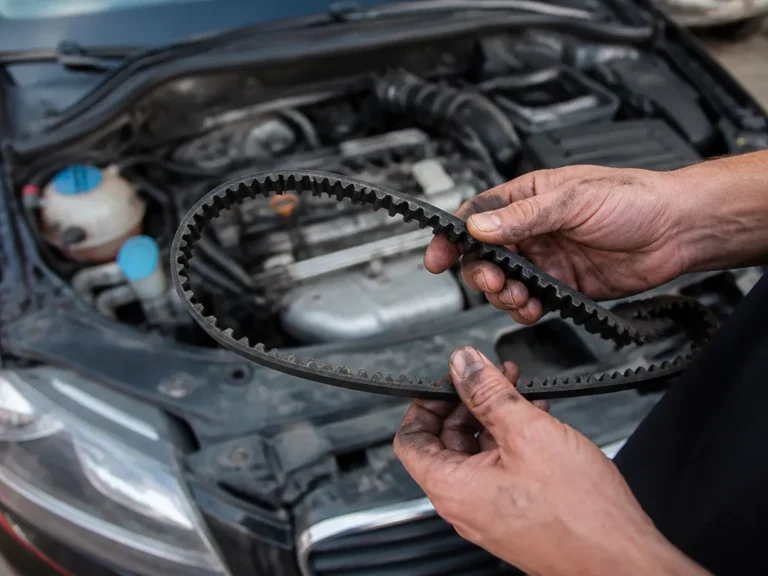
| Serpentine belt | Follow the manufacturer’s inspection or replacement schedule. | Ribs are missing, surfaces are glazed, rubber is cracked, or contamination is present. |
| Tensioner | Inspect whenever the belt is removed and follow any model-specific schedule. | The arm moves unevenly, the spring feels weak, or the pulley rattles or feels rough. |
| Idler pulleys | Check during belt service rather than treating the belt as an isolated part. | A bearing grinds, wobbles, binds, or shows visible misalignment. |
Quick tips and myths: Belt dressing is not a repair for a worn or contaminated belt. Do not inspect a running belt with fingers, clothing, or tools near the pulleys. A belt can be quiet and still be due under the manufacturer’s schedule, while a noisy belt should not be ignored simply because it has not reached that interval.
Quick Summary
Yes, the serpentine drive can cause a car to shake, but the pattern matters. Suspect it when vibration follows engine RPM rather than road speed, changes at idle when the AC is switched on, or worsens with headlights, blower fan, steering assist, or another accessory load. Cracks, missing ribs, glazing, frayed edges, or a tensioner arm that moves excessively strengthen the diagnosis. Squealing, chirping, growling, or ticking near the belt path also points to a belt, tensioner, or pulley problem rather than a simple wheel-balance issue.
The belt system is less likely when shaking appears only at a particular wheel speed, tracks road vibration through the steering wheel, or remains unchanged with RPM and accessory loads. A weak tensioner, rough idler, or misaligned pulley can create rhythmic wobble, while a slipping belt may produce brief shake spikes during AC cycling or transitions from idle to throttle. Because belt slip creates uneven accessory torque that travels through the engine mounts, inspect the belt, tensioner, and pulleys before pursuing deeper engine faults.
Frequently Asked Questions
How Much Does It Cost To Diagnose A Shaking Car If I Suspect The Serpentine Belt?
The supplied evidence does not support a reliable repair-price estimate, and the cost varies by vehicle and the failed component. Ask for a diagnosis that checks the belt, tensioner, pulleys, and engine mounts before approving a belt replacement.
How Long Can I Drive With A Serpentine Belt That May Be Causing The Car To Shake?
Do not use a fixed mileage or time limit: a belt can fail without giving you a dependable countdown. If the shaking is worsening, the belt is visibly damaged, or a pulley is making noise, stop driving and arrange professional inspection rather than testing it on a longer trip.
Can A Serpentine Belt Cause Shaking Only When The Car Is Stopped?
Yes, that pattern can fit a belt-driven accessory, tensioner, or pulley, but it can also come from an engine misfire or a worn mount. Compare the vibration in Park and in gear, then have the belt system checked if the change is clearly tied to engine load.
What Happens If I Ignore A Serpentine Belt Problem?
A damaged belt or belt-drive component can worsen and leave the system unable to drive its accessories, so ignoring a new vibration is a poor gamble. Treat a warning light, rising temperature, unusual belt noise, or sudden increase in shaking as a reason to stop and seek help immediately.
How Can I Verify That The Serpentine Belt Is Causing The Shaking?
With the engine switched off, inspect the belt for cracks, fraying, missing ribs, contamination, or obvious misalignment, and record when the vibration occurs. Do not reach near a running belt; a technician should confirm the diagnosis by checking belt tension, pulley movement, and competing causes before replacing parts.