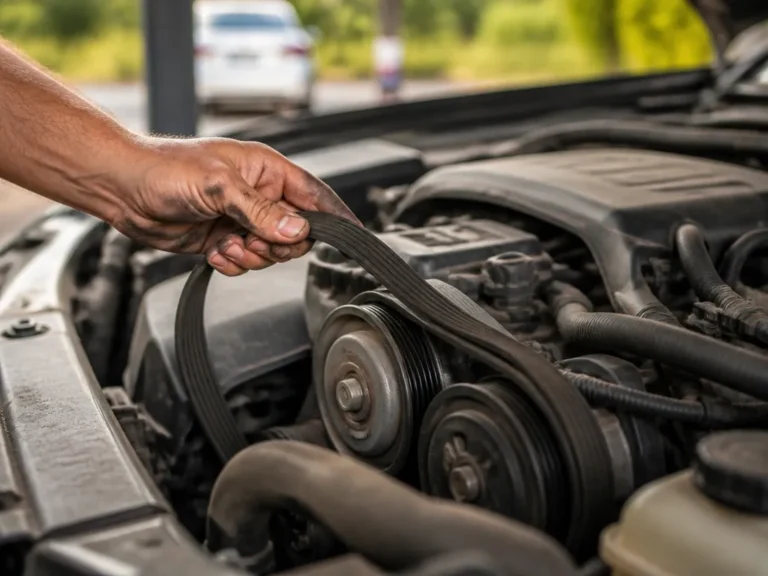

Can A Serpentine Belt Stretch? Effects On Wear And Replacement.
Serpentine belts are designed to be tensioned, not deliberately stretched in normal service. When a belt seems too loose, slips, or develops persistent squeal, the cause is more often rib wear, glazing, contamination, a weak tensioner, pulley damage, or misalignment.
Treat “belt stretch” as a diagnostic description rather than a maintenance routine. If the belt repeatedly slips, shows increasing slack, or wears unevenly, inspect the tensioner, pulleys, belt routing, and belt surface before assuming the belt has permanently elongated.
Can A Serpentine Belt Actually Stretch?
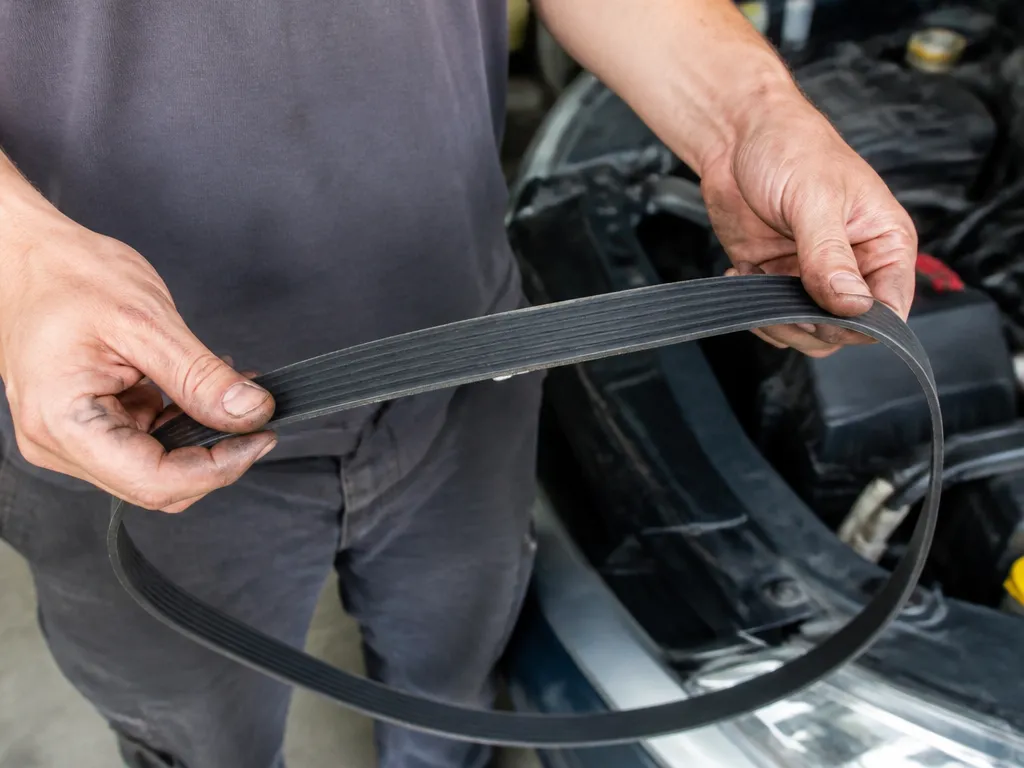
In normal vehicle service, a serpentine belt is designed to transfer power while the tensioner maintains the required tension. It is not meant to permanently stretch like a rubber band. What drivers call stretch is often rib wear, loss of grip from glazing or contamination, or slack caused by a weak tensioner or damaged pulley.
A belt can lose effective length control through aging, heat, incorrect tension, or misalignment, but that is a sign of a problem rather than a normal service feature. An automatic tensioner is intended to compensate for ordinary changes in the belt and maintain contact with the pulley system. If it reaches the limit of its travel or the belt continues to slip, the system can look as though the belt has stretched.
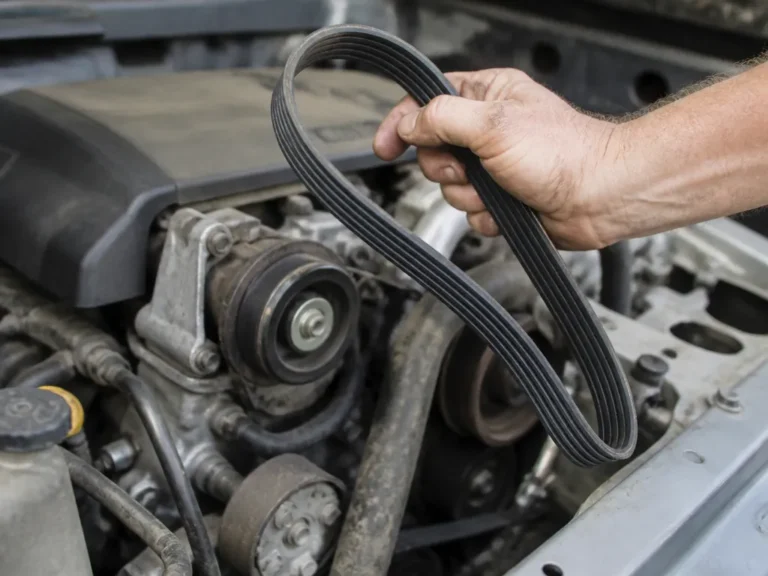
The more useful inspection clues are cracks, fraying, missing rib material, glazing, uneven wear, and abnormal tracking. These conditions affect friction and alignment and can produce the slack or squeal that leads to a stretch diagnosis.
If the belt appears to be slipping or wearing quickly, check tensioner function and pulley alignment before replacing the belt alone. A new belt will not correct a component that is forcing it to run out of line or with inadequate tension.
How Belt Stretch Happens And Why It Matters
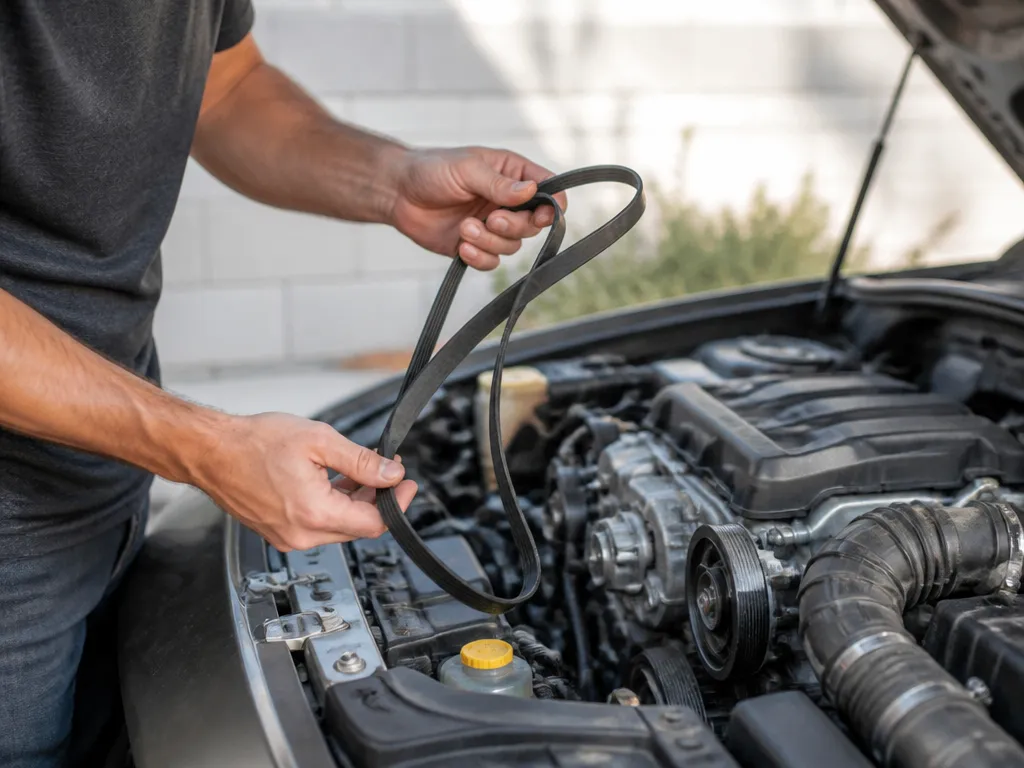
Serpentine belts flex repeatedly around pulleys while carrying accessory loads. Heat, contamination, tension, and alignment affect how the rubber and embedded cords behave. Some complaints described as stretch are actually loss of grip or belt tracking problems.
Judging belt stretch by feel alone is unreliable. Relate the symptom to heat and accessory load, then inspect the belt surface, tracking, tensioner, and pulleys together.
Which Factors Influence Belt Stretch And Typical Magnitudes
There is no reliable general stretch measurement that applies to every serpentine belt. Belt behavior depends on the belt design, vehicle, operating conditions, and condition of the tensioning system.
Because these factors overlap, a typical amount of stretch cannot be stated without vehicle-specific specifications and a defined measurement method. Persistent squeal, worsening grip, slack, or uneven rib wear should prompt an inspection rather than a guessed stretch value.
What Signs Show A Stretched Or Failing Belt
Look for a combination of symptoms. Belt problems usually appear as surface damage, slipping, abnormal tracking, or accessory underperformance rather than as an obvious measurement of elongation.
Rib wear combined with squeal, or glazing combined with accessory underperformance, gives a stronger diagnostic direction than any single symptom.
What Happens In A Car When The Belt Stretches
When a serpentine belt loses grip or its effective tension changes, accessories may turn inconsistently or below their intended speed. The result depends on which components the belt drives.
The alternator may produce less output, which can lead to a weak electrical system or warning indicators, particularly when electrical demand is high.
On vehicles with belt-driven power steering or air conditioning, slipping can reduce steering assist or make the air conditioner cool less effectively. Squeal may become more noticeable when the steering system or compressor places extra load on the belt.
Some vehicles also use a belt-driven water pump. If belt slip reduces pump speed, coolant circulation can fall and engine temperature can rise. Whether this risk applies depends on the engine design. A worsening belt problem should therefore be treated seriously rather than dismissed as noise.
How Minor Slip Turns Into Belt Failure
Brief grip losses may begin as occasional squeal or inconsistent accessory performance. Continued slip can heat and wear the belt surface, while a weak tensioner or damaged pulley can make the problem worse.
As damage progresses, the belt may crack, lose rib material, or stop driving one or more accessories. If the water pump is belt-driven, loss of belt drive can also create an overheating risk.
Maintenance And Prevention: How To Keep Belt Length Stable
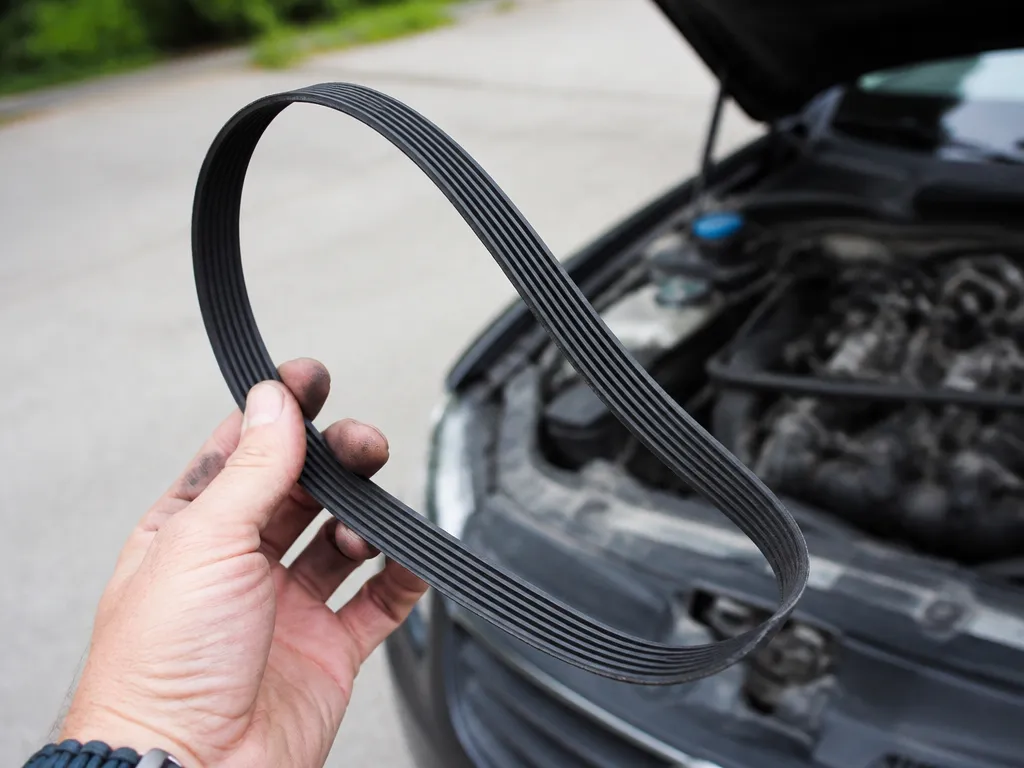
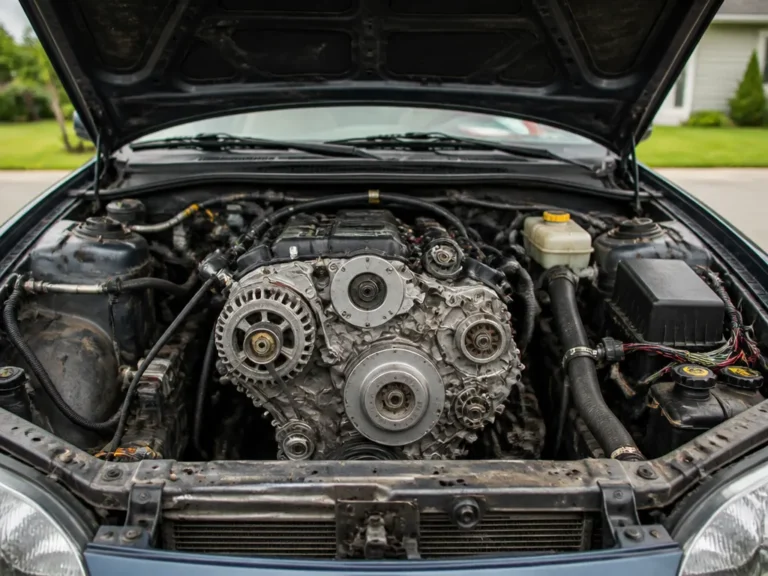
Maintain the complete accessory drive, not just the belt. Correct routing, sound pulleys, and a functioning tensioner help the belt maintain contact and reduce wear that can look like stretch.
Replacement decision rule: follow the vehicle manufacturer’s belt-service guidance, but act sooner when there is visible rib damage, repeated squeal, abnormal tracking, or accessory underperformance. Inspect the tensioner and pulleys at the same time so the cause is not left in place.
Edge Cases Where The Obvious Answer Misses The Mark
Several conditions create stretch-like symptoms without proving that the belt has permanently lengthened. A squeal or slack feeling should lead to a system inspection, not an automatic conclusion about belt elongation.
Slip Caused By Alignment, Not Elongation
Misalignment, a weak tensioner, rough idler bearing, or damaged pulley can make the belt wobble, run off-center, and wear quickly. That may feel like the belt is too long even when its measured length has not changed significantly.
Accessory load can expose a marginal belt system. High electrical demand, steering load, or compressor engagement may cause squeal and intermittent slip when the belt, tensioner, or pulley is already compromised.
Heat Glazing And Belt Hardening
Heat can alter the belt surface and reduce grip. A glazed, stiff, or hardened belt may slip under load while appearing loose. Shiny rib surfaces and friction-related dust are clues to surface damage, not proof of length growth.
A new belt may run more quietly for a time even if the underlying pulley or alignment problem remains. A repeat failure after replacement should therefore trigger a complete accessory-drive inspection.
Inspection Habits Differ Between Diy And Dealer Shops
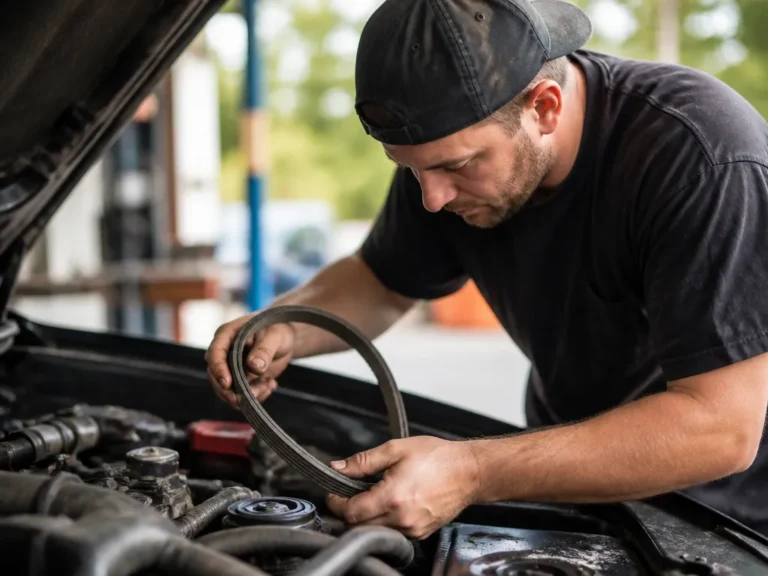
A DIY check may focus on visible belt damage and noise. A more complete inspection also assesses the tensioner, idlers, pulley alignment, and belt tracking. Replacing only the belt can be less effective when one of those components caused the wear.
Serpentine Belt Confusion Versus Timing Belt Talk
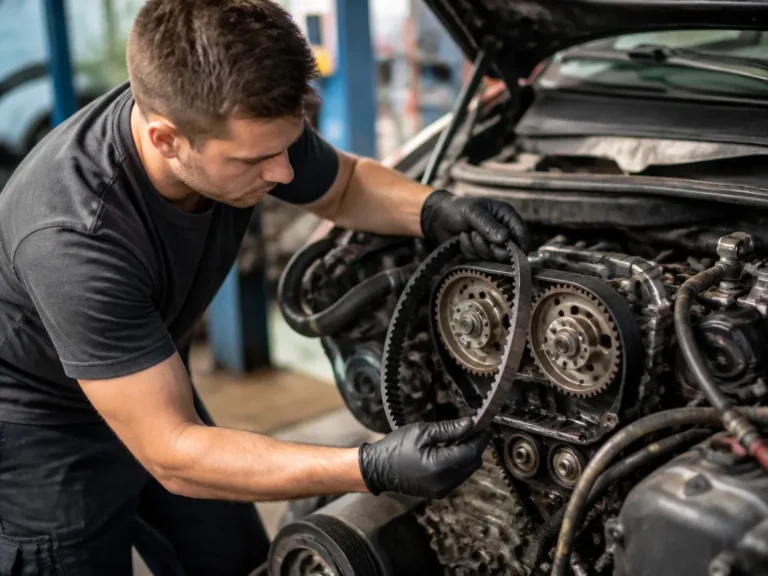
Serpentine belts and timing belts perform different jobs. A timing belt controls engine timing, while a serpentine belt drives external accessories. Applying timing-belt assumptions to an accessory belt can distract from the tensioner, pulley, alignment, and slip problems that need inspection.
Quick Summary
A serpentine belt should not normally need to stretch in service. Persistent stretch-like behavior usually indicates wear, weak or incorrect tension, contamination, pulley trouble, or slipping rather than useful rubber-like elongation.
| Condition that changes the call | What that means for you | Action threshold |
|---|---|---|
| Visible rib wear, glazing, cracking, or uneven polishing | Indicates material or grip problems that can feel like stretch. | Inspect and replace as appropriate when damage is clear or progressing. |
| Persistent squeal, slack behavior, or charging, steering, or air-conditioning symptoms | Suggests slip or inadequate tension under load. | Inspect promptly if symptoms recur. |
| Weak tensioner, misalignment, or damaged idler or pulley | Can create tracking and effective-tension problems without proven elongation. | Repair the affected components during belt service. |
| New belt that quickly slips or wears | Often points to routing, tensioner, contamination, or pulley problems. | Re-check the complete drive system before assuming the belt stretched. |
Next action: Inspect the belt, tensioner, routing, and pulley alignment together. Replace the belt and any worn related components when you find advancing rib damage or repeated slip.
Frequently Asked Questions
What Will A Serpentine Belt “Stretch” Or Slip Repair Typically Cost?
Pricing varies by vehicle, engine, belt routing, and whether the tensioner or idlers also need replacement. Exact cost data was not available here. Ask multiple shops for a parts-and-labor quote that identifies the belt and any related components included.
If I Keep Driving With Belt Stretch Symptoms, What Are The Real Consequences?
The main risk is loss of accessory drive. The alternator may stop maintaining electrical output, steering assist may weaken, and the air conditioner may stop cooling effectively. If the belt drives the water pump, continued slip can also contribute to overheating.
Is There Ever A Case Where The Belt “Length Changes” Are Normal Instead Of A Defect?
The belt can settle and its surface can change with use, heat, and friction. That does not make persistent slack, repeated squeal, visible damage, or worsening accessory symptoms normal. Those signs call for inspection of the belt and its tensioning system.
When Should I Stop Diy Checks And Get A Professional Inspection?
Get professional help when squeal, wobble, or accessory underperformance continues after you verify the routing and visible belt condition. Professional inspection is also appropriate when you cannot confidently assess pulley alignment, tensioner operation, or belt tracking.
How Can I Verify A Shop Claim That The Belt “Stretched” Without Relying On Words?
Ask what the technician observed: rib cracking or glazing, uneven wear, polished surfaces, poor tracking, or abnormal tensioner movement. If dimensional elongation is claimed, ask how it was measured and what specification was used. Symptoms alone do not establish a precise change in belt length.
What Should I Ask For If The Belt Looks Worn, But The Symptoms Are Intermittent?
Ask for an inspection of the full accessory drive, including the belt, idlers, tensioner, pulley condition, routing, and alignment. Intermittent symptoms can change with temperature or engine load, so replacing only the belt may leave the underlying cause in place.