
Brake Booster Check Valve Symptoms: Hard Pedal, Hissing, Tests
If the brake pedal becomes hard after the engine is switched off, or power assist fades unusually quickly during repeated presses, the brake booster may not be retaining vacuum. A faulty one-way check valve is one possible cause, but a leaking hose, failed booster diaphragm, weak vacuum pump, or another brake fault can feel similar.
Common clues include increased pedal effort, reduced or intermittent assist, and hissing near the booster or vacuum hose. A parked test can show whether the booster responds normally when the engine starts, but it cannot identify the failed part by itself.
What Is A Brake Booster Check Valve And What Does It Do?
A brake booster check valve is a one-way valve in the vacuum line connected to the brake booster. It allows vacuum to reach the booster and helps prevent that vacuum from flowing back toward the source when engine vacuum falls or the engine stops.
Many vehicles use engine vacuum, while others use a mechanical or electric vacuum pump. When vacuum is available, it helps the booster multiply the force applied to the brake pedal. When the vacuum source stops, the check valve helps preserve the vacuum already available in the booster circuit.
If the valve leaks in the wrong direction, the booster can lose stored vacuum sooner than expected. The result may be a harder pedal or greater pedal effort, particularly after the engine is switched off. The same symptoms can also come from a damaged booster, a leaking hose, or inadequate vacuum production.
The valve may be a separate fitting in the hose, part of a short connector, or built into the hose or booster assembly. Identify the exact arrangement before ordering a replacement.
What Driving Symptoms Suggest A Faulty Check Valve?
A check-valve problem usually appears as a change in pedal effort or in how long power assist remains available after the engine stops. These clues point to the vacuum system, but none proves that the check valve itself has failed.
Vacuum hose leaks, booster diaphragm failure, weak vacuum-pump output, and hydraulic brake faults can produce overlapping symptoms. Treat the pattern as a reason to inspect the complete brake-assist system, not as proof that the valve is the only problem.
How To Tell Valve Fault From Normal Pedal Behavior?
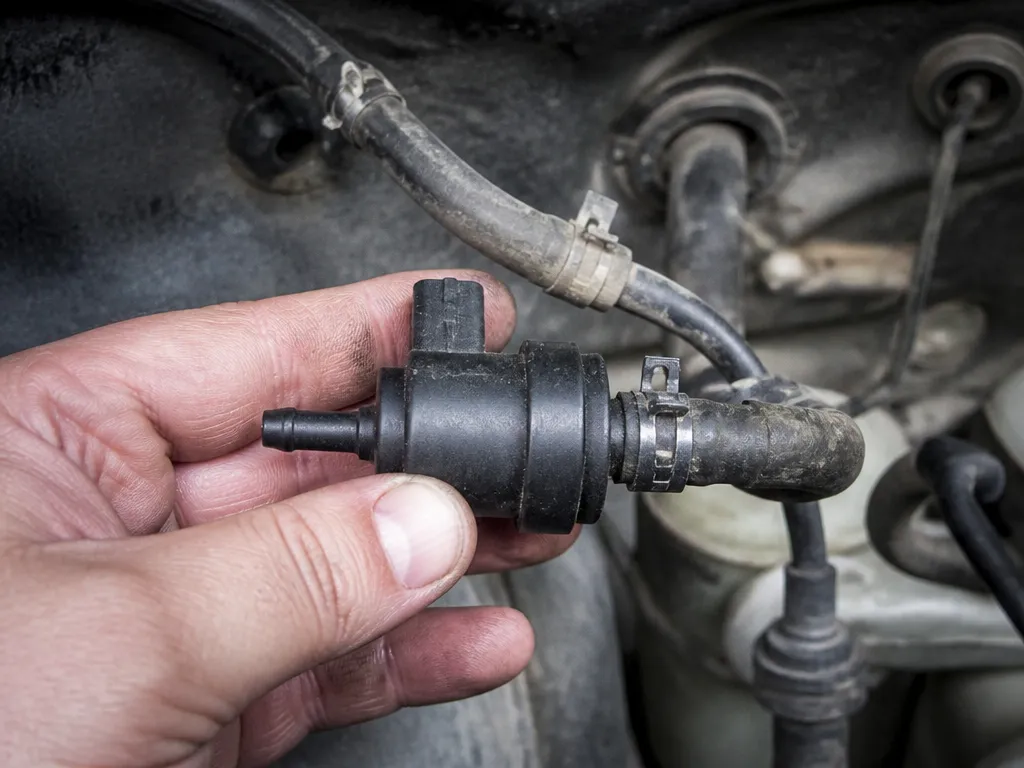
The useful distinction is between normal consumption of stored assist and assist that disappears unexpectedly. Compare the vehicle with its usual behavior, then check whether the engine-start response is normal.
Safety call: If the pedal is hard immediately, braking effort is clearly high, or braking feels inconsistent in traffic, do not continue driving to see whether it improves. Arrange an inspection or safe transport.
How Do You Safely Test The Valve In A Parked Car?
A parked test can show whether power assist responds normally and whether stored assist appears to disappear unusually quickly. It cannot, by itself, distinguish a check-valve fault from every other vacuum or brake fault. Keep the vehicle stationary with the parking brake set.
Safety Precautions And When To Stop The Test
Perform the test on a clear, level surface with the vehicle secured. Keep pressure on the pedal consistent so changes in technique do not look like changes in assist.
Arrange an inspection promptly if the pedal sinks, fluid is visible or smells unusual, or a brake warning indicator appears. Fast loss of power assist can also make the vehicle unsafe to drive, even when the pedal remains firm.
How Can You Verify Vacuum Retention And Airflow Direction?
A vacuum gauge and a vehicle-specific test procedure can help determine whether vacuum is being retained and whether the valve restricts flow in the correct direction. A gauge result must be interpreted alongside the hose, booster, and vacuum-source checks.
Stop and get professional diagnosis if the pedal is hard or braking is unreliable during testing. Incorrect valve orientation or an overlooked hydraulic fault can leave the vehicle without the expected assist.
What Vacuum-system Components Should You Inspect For Related Faults?
Inspect nearby components before condemning the check valve. A leak or restriction elsewhere can create the same loss-of-assist pattern.
| Component | What to look for | Why it matters for brake assist | Quick pass/fail clue |
|---|---|---|---|
| Vacuum hose | Cracks, soft spots, collapse, rubbing, flattening, or damage near heat and bends | A leak or restriction can mimic poor valve retention | Visible damage, a loose section, or a hose that collapses |
| Vacuum hose connections | Loose ends, damaged clamps, brittle connectors, or incomplete seating | A joint can vent vacuum even when the valve is sound | The connection moves easily or has a visible gap |
| Oil contamination on the hose | Oil film, wetness, residue, or a gummy hose surface | Contamination can affect hose material and sealing | Visible oil or a softened hose |
| Booster grommet and mounting seal | Cracks, hardening, displacement, or gaps around the inlet | A leak at the booster can reduce available assist | The grommet is not seated or does not seal around the fitting |
| Vacuum hose routing | Kinks, rubbing, misrouting, or connection to the wrong port | Restriction or incorrect routing can reduce vacuum availability | The hose does not follow the vehicle’s specified routing |
Trace the line from the vacuum source to the booster and inspect each section, connection, and seal. If the hose and fittings appear sound but the symptoms continue, move to valve-specific testing instead of replacing parts at random.
What Tools Or Data Help Diagnose A Valve Issue?
The most useful information is whether vacuum is produced, whether it is retained, and whether the brake-assist symptoms occur at the same time as the vacuum loss. The appropriate test points and readings depend on the vehicle.
Vacuum Gauge Checks (Vacuum Retention And Stability)
A vacuum gauge can turn a change in pedal feel into an observable system response. Connect it to the booster feed or to a vehicle-approved test point, then compare vacuum while the source is operating and after it stops.
What you’re looking for: vacuum that fails to build, falls rapidly after shutdown, or changes in step with the pedal symptom. These patterns can involve the check valve, a hose, the booster, or the vacuum source.
What to do next: isolate the suspected section before replacing a component. A reading alone does not identify which part is leaking.
Scan-tool Or Live Pid Vacuum-related Data
Vehicles with electric vacuum pumps may provide pump commands, pressure information, or related diagnostic data. Not every vehicle reports the same information, so use the applicable service procedure.
Action: record the conditions when the symptom occurs, including engine state and any available vacuum data, so the diagnosis is based on a repeatable event.
Accounting For Electric Or Mechanical Vacuum Pump Behavior
First determine whether the vehicle uses engine vacuum, a mechanical pump, or an electric pump. Check whether the source operates as expected and whether vacuum rises normally before judging the valve’s retention.
Fix strategy: treat the diagnosis as two questions: does the system make enough vacuum, and does it hold that vacuum? Test each part of the system separately.
How Do Check-valve Symptoms Compare With Other Brake Faults?
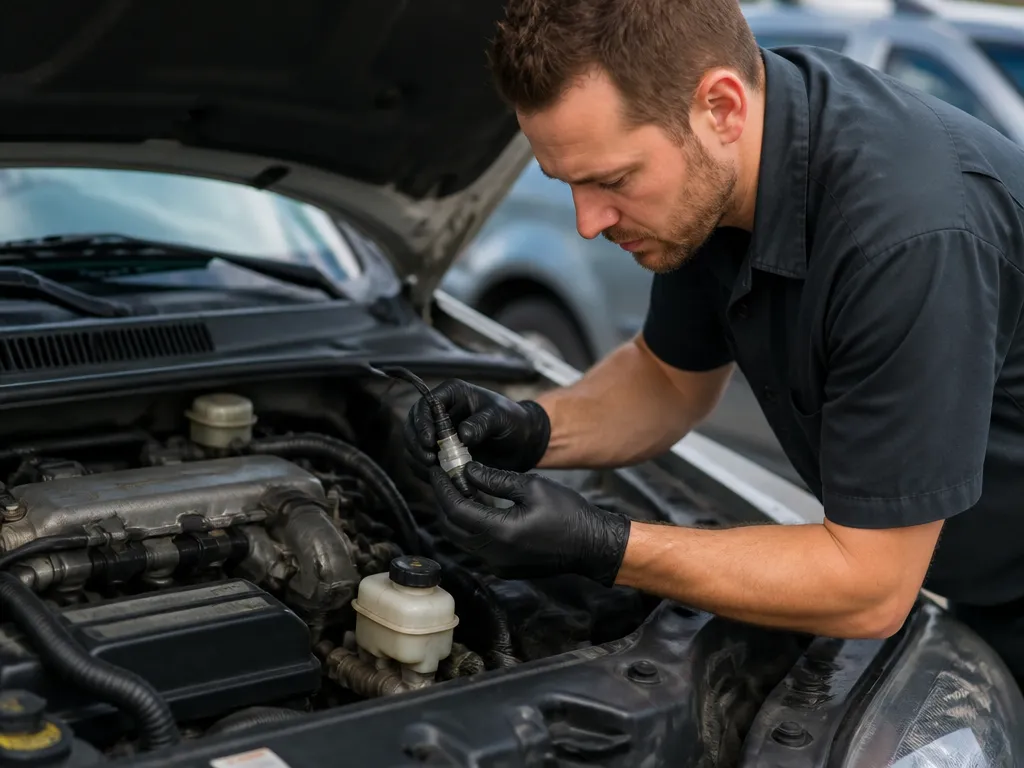
Vacuum faults generally affect pedal assistance and make the pedal harder to press. Hydraulic faults can affect pedal travel, pressure retention, or braking balance. The distinction is useful, but overlapping symptoms are common.
What Should You Know About Replacement And Post-repair Checks?
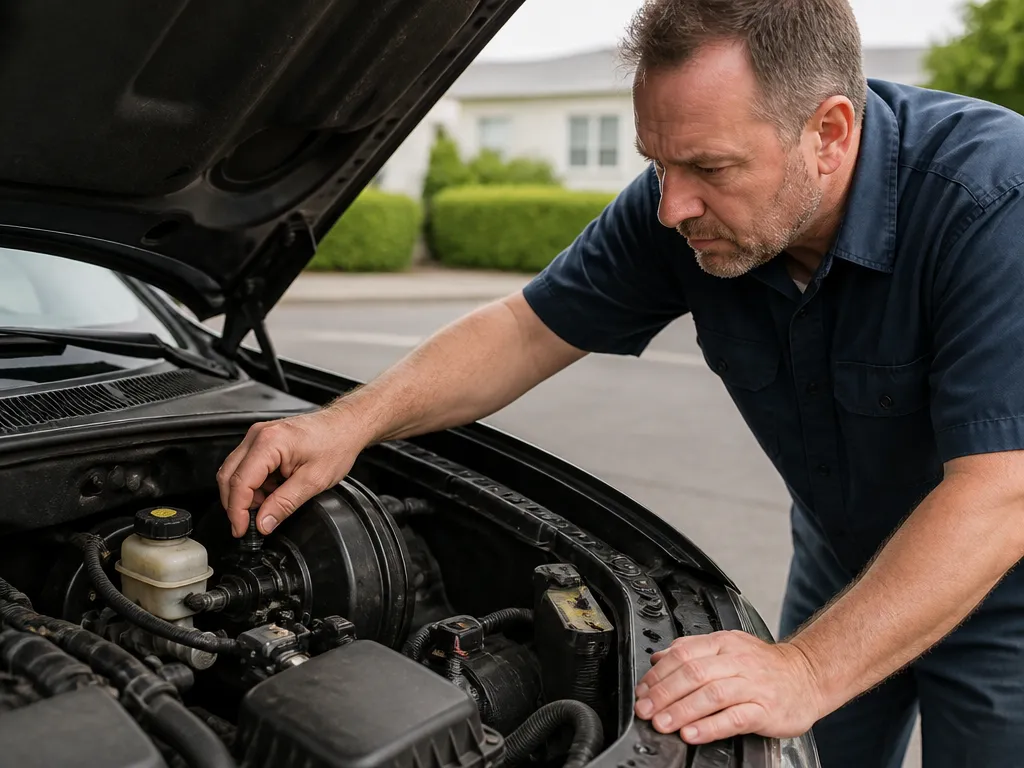
Replace the valve only after confirming the vehicle application, flow direction, connection type, and installation location. If the pedal remains hard or braking remains unreliable after replacement, another fault may be present.
Quick Summary
Do not drive in traffic if the brake pedal becomes hard or braking feels unreliable. Park safely and have the brake booster, check valve, vacuum path, and related brake systems diagnosed.
Next action: keep the vehicle parked if braking assist is reduced and arrange a qualified brake-system diagnosis.
Frequently Asked Questions
What Factors Determine The Cost And How Long A Brake Booster Check Valve Replacement Takes?
Price and repair time vary with the vehicle, local labor rates, valve design, and whether the hose, grommet, booster, or vacuum source also needs attention. Some vehicles require replacement of an integrated hose or booster rather than a separate valve. Ask for a written estimate that separates parts, labor, and any diagnostic work.
Are There Official Service Documents Or Manufacturer Bulletins I Can Reference When Diagnosing A Check Valve Fault, And How Can I Access Them Without Dealership Access?
Vehicle-specific repair manuals, technical portals, and independent repair databases may describe the correct vacuum tests and valve orientation. A repair shop or dealer can also identify the applicable service information for the vehicle. Confirm that the procedure matches the exact model, engine, and brake-assist design.
Can Consumer Tools Reliably Prove A Valve Fault, Or Is Oem/vehicle Data Required For A Confident Diagnosis?
A vacuum gauge can show whether vacuum builds and whether it is retained, but it may not identify whether the valve, hose, booster, or pump is responsible. Vehicle-specific test information can improve the diagnosis, especially on systems with electric pumps or integrated valves. Seek professional help when the test result is unclear or braking is unreliable.
What Kind Of Documentation Should I Collect Before And After Replacement To Support The Repair Claim?
Record the pedal symptoms, when they occur, any hissing, engine-idle changes, warning indicators, and photos of the hose connections. Keep vacuum or pump readings when available, along with invoices, diagnostic findings, and the part number installed.
Does The Valve Location Or Design Affect Compatibility And Installation, And How Should I Verify This Before Ordering Parts?
Yes. The valve may be in the vacuum hose, in the booster, or installed as a separate fitting. Verify the exact vehicle application, connection type, flow-direction marking, and hose fitment using the vehicle parts information or service procedure before ordering.
What Is The Typical Warranty Or Return Policy On A Replacement Brake Booster Check Valve, And What Should I Check With The Installer?
Warranty and return terms vary by manufacturer, retailer, and repair shop. Ask how long the part is covered, whether labor is included, and what conditions could exclude coverage. Keep the invoice and confirm whether damaged hoses, contamination, incorrect installation, or an unrelated brake fault affects the claim.