
What To Choose? Are Ceramic Brake Pads Better Than Semi Metallic?
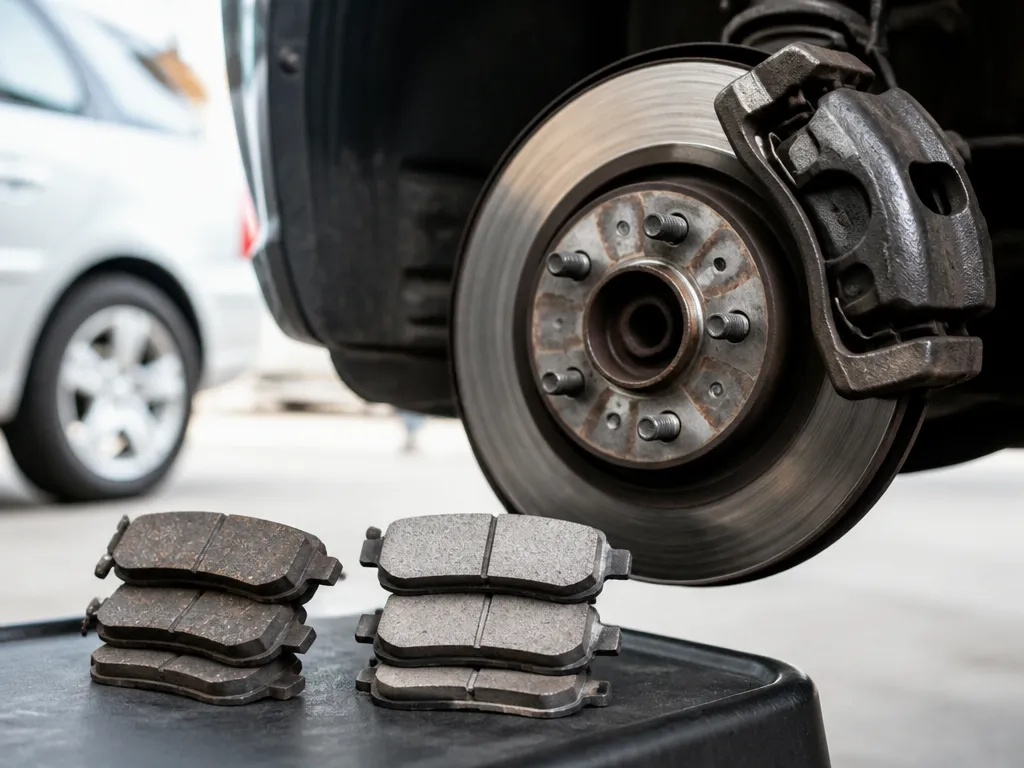
Ceramic brake pads are not universally better than semi-metallic pads. Ceramic formulations are often chosen for quieter operation and less visible dust, while semi-metallic formulations are often favored when repeated hard braking, heavy loads, or high heat matter more. The right choice depends on the vehicle, brake hardware, climate, and driving conditions.
For ordinary commuting and highway use, ceramic is a sensible starting point if your priority is clean wheels and a calm pedal feel. For towing, long mountain descents, repeated hard stops, or track-style use, semi-metallic is often the stronger candidate because those conditions place greater demands on heat management. Check the vehicle manufacturer’s pad specification before treating either material as an upgrade.
Direct Verdict On Ceramic Vs Semi-metallic Brakes
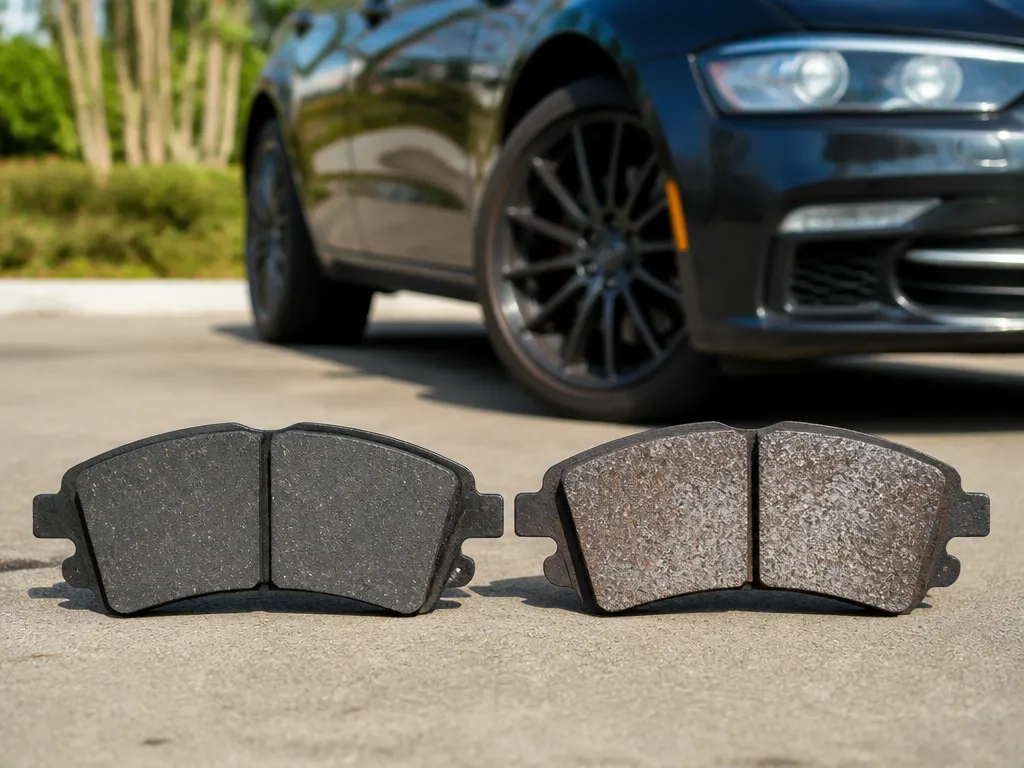
Ceramic pads are often the better fit for everyday comfort, while semi-metallic pads are often the better fit for repeated high-load braking. Neither material wins in every category. The vehicle’s original pad specification and your most demanding regular driving conditions should decide the purchase.
| What you care about most | Ceramic pads tend to suit you when… | Semi-metallic pads tend to suit you when… |
|---|---|---|
| Cold start bite and initial feel | You prefer smoother engagement and are willing to verify that the compound suits your climate | You want a more immediate initial response, subject to the vehicle and compound specification |
| Brake fade during sustained heat | Your driving is moderate and does not repeatedly load the brakes | You make repeated hard stops or drive long descents where heat can accumulate |
| Noise | You place a high value on quiet operation | You accept the possibility of more noise in exchange for a heavy-duty-oriented compound |
| Visible dust and wheel cleaning | You want less visible wheel grime | You accept more visible dust if the compound better suits your heat and load demands |
| Rotor wear expectations | You want to limit abrasive wear in normal use, provided the pad and rotor are correctly matched | You accept that a more aggressive compound or severe heat can increase rotor-wear concerns |
For commuting and light highway driving, ceramic is a reasonable choice when low dust, low noise, and comfortable engagement matter most. For towing, steep descents, aggressive driving, or repeated high-temperature braking, semi-metallic is often the safer direction, provided it is approved for the vehicle. A ceramic pad is not automatically an upgrade over an original semi-metallic pad.
Important limitation: Exact temperature, dust, noise, wear, stopping-distance, and lifespan comparisons require the specific pad compound, rotor, vehicle, and test conditions. Do not use a generic material label as a substitute for the vehicle manufacturer’s specification.
How Ceramic And Semi-metallic Pads Differ In Mechanism
Bottom line on mechanism: Ceramic pads are generally selected for street comfort, lower visible dust, and quieter operation. Semi-metallic pads are generally selected when repeated heat and heavy braking are more important. The compound, rotor, caliper, and driving pattern determine the result.
Key Performance Variables And Typical Ranges
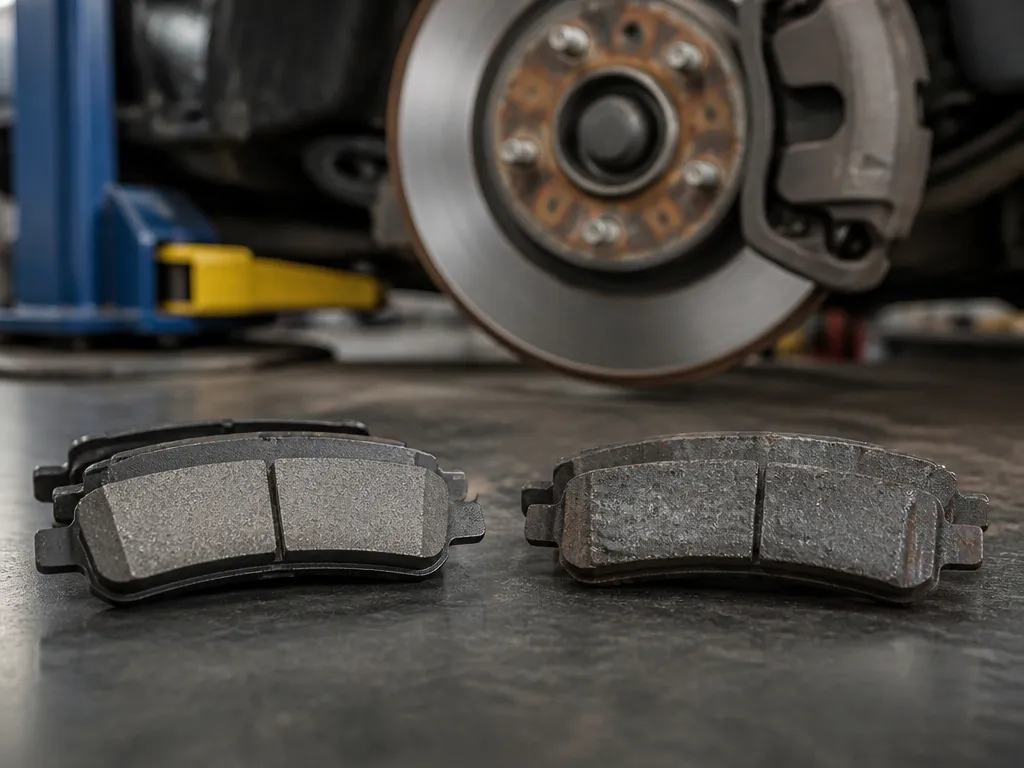
Pad material matters through several variables, but there is no reliable universal range for any of them. A comparison that gives one fade temperature, dust rate, noise figure, or service life for all ceramic or semi-metallic pads would be misleading.
| Performance variable | What changes with pad type | Typical range (what to look for) | What it feels like to the driver |
|---|---|---|---|
| Cold-bite response | The compound, climate, rotor surface, and bedding determine how friction develops from a cold start. | No universal temperature range. Check the pad maker’s application information. | The first stops may feel smoother, sharper, or less consistent than expected. |
| Operating temperature window | Fade resistance depends on how the exact friction material behaves as heat rises. | No universal fade threshold. Use the manufacturer’s intended-use information. | Excessive heat can produce a change in pedal effort or stopping response. |
| Dust production | Material chemistry, rotor wear, driving style, and road conditions affect visible deposits. | No universal dust rate. Compare the exact products if a measured result is important. | Wheels may accumulate visible residue at different rates. |
| Noise level | Vibration depends on the pad, backing plate, shims, hardware, rotor, and installation. | No universal decibel range. Noise claims are application-specific. | Squeal, chirp, or growl may appear during light or low-speed braking. |
| Rotor wear indicators | Pad abrasiveness, heat, rotor condition, and caliper operation influence wear. | No universal wear rate. Inspect the actual rotor and pad combination. | Scoring, vibration, uneven contact, or thickness changes can indicate a problem. |
Judge the comparison against your own conditions: cold-soak time, traffic, vehicle load, longest descent, and frequency of hard stops. If you need a numbers-based choice, start with the vehicle’s OEM pad specification and compare the exact candidate products. A technician can also inspect rotor condition and measure brake temperatures where appropriate.
Choosing By Driving Profile: What To Pick
Choose according to brake temperature, braking frequency, vehicle load, climate, and the original equipment specification. The material label is only one part of the decision.
Normal Commuting, Highway, And Stop-and-go
Ceramic pads are often the practical starting point for daily commuting and mixed highway driving when low visible dust and quiet operation matter. Confirm that the exact compound is approved for your vehicle and climate.
In a cold climate, initial bite can feel different after the vehicle has been parked. Do not assume that every ceramic pad behaves the same way. Check the product’s application information and judge pedal feel only after following the specified bedding procedure.
Towing, Heavy Weights, And Mountain Roads
Semi-metallic pads are often considered for towing, heavy vehicles, long grades, and frequent braking because these conditions create greater heat demands. They are not a guarantee against fade. Rotor condition, cooling, gear selection, vehicle load, and driving technique remain important.
If you regularly drive in mountain terrain, choose for the full service pattern rather than an occasional hard stop. Bed the pads according to the manufacturer’s instructions and pay attention to whether braking response remains consistent during repeated stops.
Performance Driving And Track Use
Track and spirited driving can generate brake temperatures and repeated loads that exceed the intended use of many street pads. Semi-metallic pads are commonly considered for this profile, but a track-capable application requires a pad specifically intended for the expected temperature and vehicle setup. A street pad should not be assumed suitable for track use because it is ceramic or semi-metallic.
| Driving profile | What to prioritize | Typical choice | Action to take |
|---|---|---|---|
| Commuting, mixed city/highway | Low dust, low noise, predictable daily feel | Ceramic, if approved for the vehicle | Match the product to the OEM specification and climate |
| Highway with frequent braking | Consistency as temperatures rise | Either, if the exact pad suits the application | Use the manufacturer’s intended-use information |
| Towing, heavy loads, long grades | Heat handling during repeated braking | Semi-metallic is often considered | Confirm fitment, bedding, rotor condition, and load requirements |
| Spirited driving, track days | Heat tolerance under repeated demand | A severe-duty compound, often semi-metallic | Choose a pad specifically intended for the use pattern |
Fitment is the final gate. Select ceramic or semi-metallic only from products approved for your exact caliper, rotor, axle, and vehicle application.
Risks, Costs, And Maintenance Implications
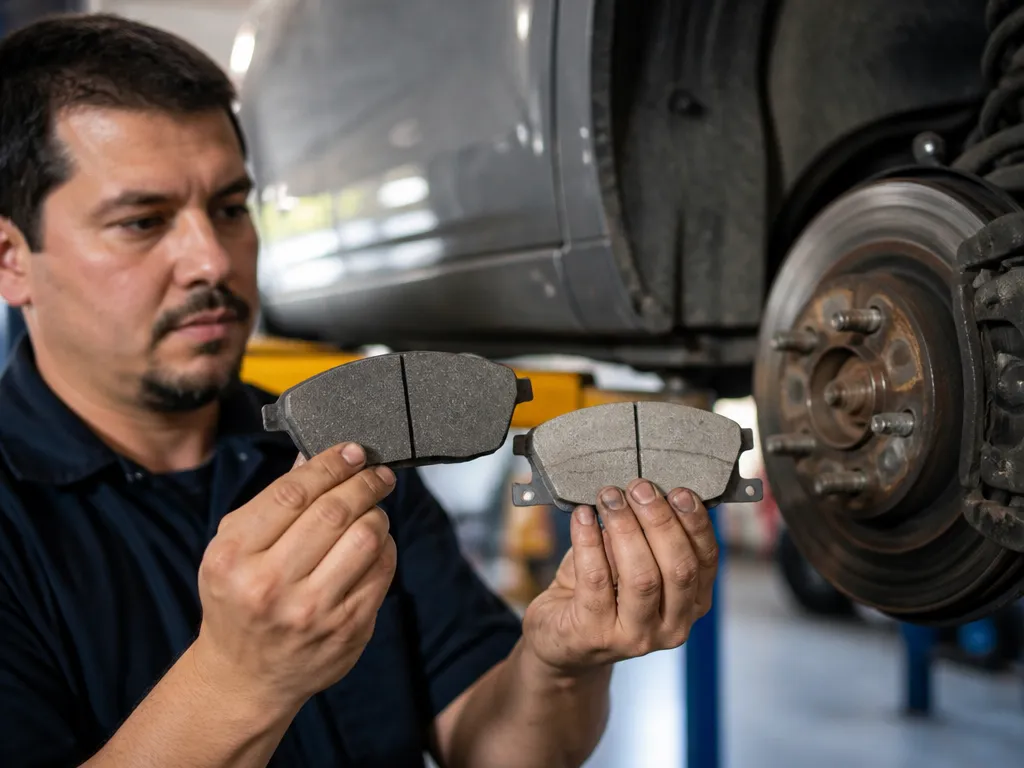
Material affects noise, dust, heat behavior, and possible wear patterns, but total ownership cost depends just as much on rotor condition, caliper operation, installation, and replacement timing.
| Item | Ceramic pads, typical implications | Semi-metallic pads, typical implications |
|---|---|---|
| Rotor compatibility and wear risk | Often chosen for smooth street operation and less visible dust, but still dependent on the exact formulation, rotor, and vehicle. | May suit demanding applications, but an aggressive compound, severe heat, or poor matching can increase rotor-wear concerns. |
| Caliper condition sensitivity | Sticking slides, a seized piston, or damaged hardware can cause uneven wear regardless of pad material. | Uneven clamp pressure can create hotspots and inconsistent wear under repeated braking. |
| Bedding and break-in | Incomplete bedding can contribute to uneven deposits, noise, vibration, or inconsistent initial bite. | Bedding is also important for stable friction and even contact. |
| Replacement timing signals | Replace when the pad reaches the vehicle or manufacturer’s service limit, or when wear is uneven. Inspect the rotors at the same time. | Use the same inspection approach, paying particular attention to scoring, thickness variation, and heat-related damage. |
| Total cost of ownership | Lower visible dust can reduce cleaning annoyance, but the full cost still includes pads, labor, and any required rotor work. | Potentially higher dust or noise may be an acceptable trade-off for the intended use, but rotor and hardware condition still determine cost. |
For both materials, the largest cost difference often comes from the rest of the system. Caliper slides, rotor surfaces, correct fitment, and bedding can matter more than the material name. Replacing pads without correcting uneven wear can lead to another repair regardless of pad type.
Pad Bedding, Break-in, And Replacement Timing (What To Do)
Follow the bedding procedure supplied for the exact pad set. Rushing or skipping it can contribute to uneven friction deposits, noise, vibration, and inconsistent braking. Replace pads as an axle set and inspect the rotors during the job.
If the vehicle pulls, the pedal pulses, squeal persists after bedding, or pad thickness is uneven, inspect the caliper and rotor condition before continuing to drive normally. Have the brake fluid checked if the system is due for service or if the pedal feels soft.
Edge Cases Where The Obvious Choice Fails
The material label becomes less useful when the real problem is climate, heat cycling, bedding, hardware, or an incorrect application. These cases can make either material perform poorly.
Cold Climates And Severe Winter Driving
Symptom: Cold stops feel weak, grabby, or uneven. Possible cause: the compound, rotor surface, temperature, moisture, or bedding may not suit the conditions. Fix: verify the pad’s application and climate suitability, inspect the rotor, and follow the bedding instructions.
Symptom: Noise or dust changes with cold and wet conditions. Possible cause: moisture, contamination, temperature, and friction-layer behavior can affect the first stops. Fix: inspect and clean the mating surfaces, confirm that the hardware moves freely, and allow the brakes to warm through normal cautious use.
Repeated Hard Braking And High Heat Scenarios
Symptom: Braking response changes during repeated stops or a long descent. Possible cause: the pad, rotor, cooling system, load, or driving method may be outside the intended operating conditions. Fix: choose a severe-duty application where appropriate, confirm rotor compatibility, and avoid assuming that material alone prevents fade.
Symptom: Rapid wear after a short period, especially with rough or overheated rotors. Possible cause: damaged rotors, poor bedding, a dragging caliper, or an unsuitable pad-to-rotor match. Fix: inspect rotor thickness and surface condition and replace worn components as required.
Vehicles Originally Designed For Semi-metallic Pads
Symptom: The vehicle feels different or inconsistent after a material change. Possible cause: the original pad choice was part of a system involving the caliper, rotor, hardware, and expected duty cycle. Fix: use the original pad specification as the baseline and choose a ceramic alternative only when it is explicitly listed for the exact application and axle.
Fitment, Installation, And Wear Expectations
Correct fitment and installation matter as much as material choice. The pads must match the calipers, rotors, axle, and brake hardware, and they must be bedded according to the product instructions.
Follow the vehicle’s original pad specification. Use the OEM part number or an approved replacement for the exact axle and brake package. Do not assume that a ceramic or semi-metallic label guarantees compatibility, particularly when a model has multiple brake packages.
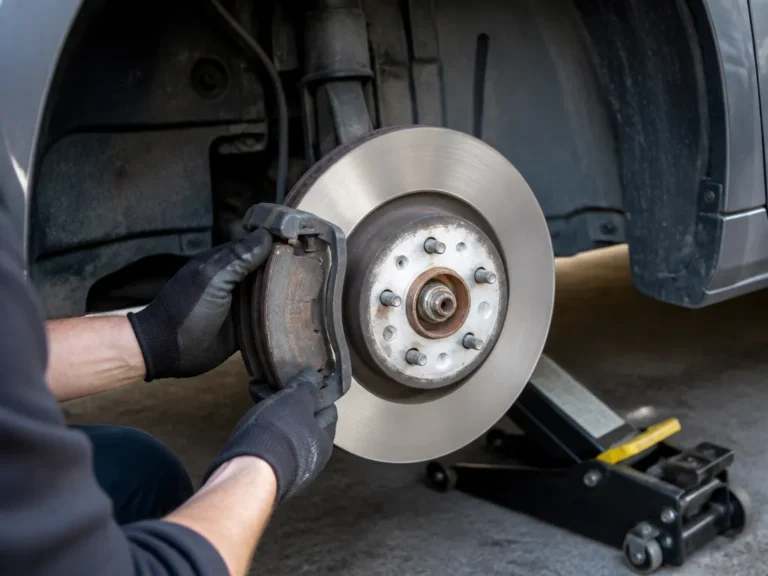
Check rotor condition before installing new pads. Glazing, deep scoring, cracks, uneven thickness, or excessive wear can make any pad feel poor. Follow the rotor manufacturer’s or vehicle manufacturer’s service limits when deciding whether to resurface or replace the rotor.
Use the correct brake fluid if the hydraulic system is opened. If lines are disconnected, bleed the system according to the service instructions. Air or contaminated fluid can create a soft pedal that has nothing to do with pad material.
Bedding is part of installation. It establishes the initial contact between pad and rotor. Use the manufacturer’s procedure, which generally involves controlled stops followed by cooling without aggressive braking. Contamination or incomplete bedding can contribute to noise, inconsistent bite, and uneven deposits.
Wear expectations and inspection cadence: Correctly fitted pads should wear evenly across both sides of an axle. Inspect them whenever the wheels or pads are serviced, and check for unequal inner and outer wear, scoring, vibration, or abnormal dust. Stop driving and arrange an inspection if braking performance changes suddenly.
| Inspection trigger | What to look for | What it usually means |
|---|---|---|
| Uneven pad wear (inner vs outer) | Different thickness from side to side or edge to edge | Possible caliper, slide, piston, alignment, or contact-point problem |
| Vibration after install | Steering-wheel shake or pedal pulsation during braking | Possible rotor, surface, hardware, or bedding problem |
| Squeal or harsh bite early | Noise or abrupt engagement that persists after bedding | Possible hardware contact, glazing, contamination, or unsuitable application |
If the pad model does not match your exact brake hardware, treat it as a fitment problem first. Material label alone is not a safe shortcut.
If fitment is uncertain, confirm the application with the vehicle manual or a qualified technician. This is especially important with upgraded brake packages, unusual rotor sizes, or a history of uneven wear. After installation, confirm a firm pedal, secure wheel installation, and normal braking on a cautious test drive.
Decision Checklist And Quick-reference Guide
Use this checklist to narrow the choice, then confirm the exact application before buying.
Safety check: if fitment, compatibility, or braking performance is uncertain, consult the vehicle manual or a qualified technician before driving.
Quick Summary
Ceramic brake pads are often the better choice for everyday comfort, lower visible dust, and quieter operation. Semi-metallic pads are often the better choice for repeated high-load braking and sustained heat, provided they match the vehicle.
Favor ceramic when your priority is low dust and low noise and the product is approved for your vehicle and normal temperature range.
Favor semi-metallic when your priority is towing, steep descents, repeated hard braking, or severe-duty use and the exact product is intended for those conditions.
Let fitment decide between otherwise suitable options. A pad that does not match the caliper, rotor, axle, or original brake specification is not an upgrade.
Consider climate and initial bite. Cold-weather feel can vary between compounds, so check the application information rather than relying on the material name.
| Priority / Condition | More likely best pick |
|---|---|
| Low dust, low noise | Ceramic, if approved for the vehicle |
| Repeat heat, towing, hard use | Semi-metallic or another severe-duty compound listed for the application |
| OE specification or fitment concern | Follow the manufacturer’s specified pad type and part number |
Next action: check the vehicle manual or OEM pad specification and confirm that the part number matches the exact caliper, rotor, axle, and brake package.
Frequently Asked Questions
How Can I Tell If A Brake Pad “Upgrade” Claim Is Real For My Car?
Verify the part number and brake hardware first. Compare the candidate pad with the original equipment specification for your exact vehicle and axle. After installation, look for consistent initial bite, stable braking, and even contact rather than relying on the word “upgrade.”
Claims about lower dust or quieter braking are conditional. They can change with the exact formulation, rotor surface, hardware, climate, and bedding procedure. A product intended for comfort may not be the right product for towing or repeated high-temperature braking.
What Will Likely Happen If I Delay Brake Pad Replacement?
Excessively worn pads can reduce braking consistency and may allow metal contact with the rotor. That can turn a pad replacement into a larger repair involving rotors and additional hardware.
Inspect the pads through the caliper opening or according to the service manual. Uneven wear, cracks, grinding, or suspected glazing requires a complete brake inspection rather than a material change alone.
When Should I Involve A Mechanic, Even If I Plan To Do The Work Myself?
Seek professional help for uneven rotor wear, persistent vibration after bedding, a soft or sinking pedal, or grinding that continues after pad replacement. These symptoms can involve the rotor, caliper, hardware, hydraulic system, or fitment.
Also ask for help if caliper hardware appears seized, brake lines may be damaged, or you cannot identify the correct pad for the vehicle’s trim and brake package. A fitment error can create a safety risk.
How Do I Check Whether The Pads Are Bedding In Correctly?
Follow the exact bedding procedure supplied with the pads. The initial feel may change as the pad and rotor establish contact, but braking should become consistent afterward.
Repeated moderate stops should not produce growing vibration, persistent abnormal noise, or a major change in braking response. If those symptoms remain, stop driving and have the rotors, caliper hardware, and pad contact inspected.
Can I Swap Pad Types (Ceramic To Semi-metallic) Later If I Do Not Like The Results?
You can usually change pad material when the replacement is approved for the vehicle, but treat the change as a new pad and rotor setup. The existing rotor surface may carry deposits or wear from the previous pads.
Inspect the rotors first and bed the replacement pads correctly. Changing material will not solve a seized caliper, damaged rotor, contaminated friction surface, or incorrect fitment.
How Should I Evaluate The Real Cost Of Ceramic Versus Semi-metallic For My Situation?
Compare the complete job, not only the purchase price. Include pads, rotors if needed, hardware, labor, inspection, and the demands of your driving pattern. Ceramic may cost more for some applications, while semi-metallic may create more visible dust or noise in some setups.
The most useful estimate comes from your vehicle’s service history and inspection results. Check how often the pads and rotors require attention, then choose the compound that fits the vehicle and your most demanding regular use.



26 Comments