Can Brake Pads Be Replaced Without Replacing Rotors? A Practical Path
Yes, brake pads can usually be replaced without replacing the rotors, but only if the rotors pass minimum-thickness and surface-quality checks. If the rotor is below its manufacturer minimum thickness, deeply grooved, badly scored, or has severe heat damage, new pads will wear unevenly and braking can stay poor.
Brake pads are replaceable without rotor replacement when the rotor meets the carmaker’s minimum thickness and has no harmful scoring, glazing, or warping. Your decision hinges on measurements, not looks: measure thickness with a micrometer, check for deep grooves and runout, then match the rotor condition to the pad’s wear surface. If you do this, you avoid paying twice.
Can Brake Pads Be Replaced Without Replacing Rotors? Conditions?
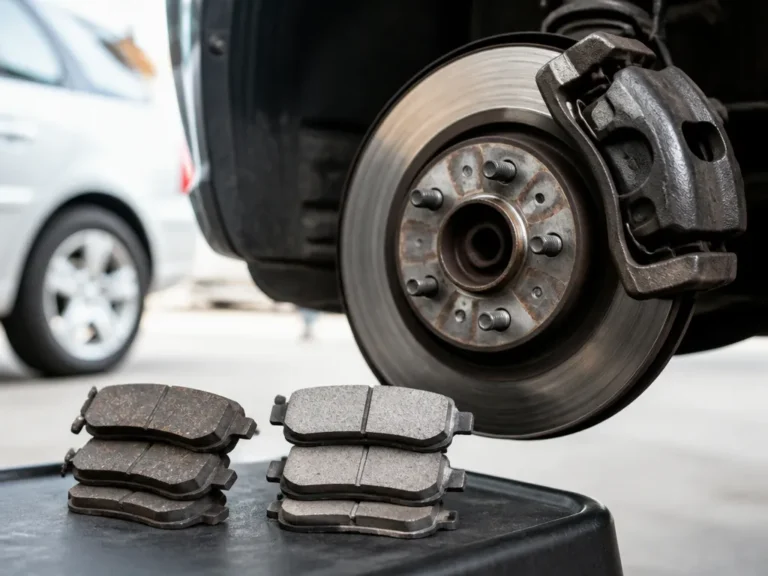
Brake pads can be replaced without replacing rotors when the rotor braking surface is still serviceable and the new pads can mate evenly to it. Pad-only replacement becomes a bad bet when rotor damage, heat checking, or thickness loss forces uneven pad contact, vibration, or fast re-wear.
Hard Limits That Change The Answer
Pad-only replacement is appropriate when rotor surface condition is good enough that the pad can cleanly bed to the rotor face. Rotor replacement (or machining) is needed when the rotor condition will keep causing uneven contact or unsafe braking performance after the new pads are installed.
Brake system behavior after pad replacement is the reality check. If you install new pads on a rotor that is marginal, you typically get fast pad wear, pedal pulsation, or persistent squeal, because the problem is on the rotor contact geometry, not the pad compound.
Vehicle And System Caveats (What Makes Pad-only Replacement Fail)
ABS itself does not automatically require rotor replacement, but ABS-equipped cars still demand a stable rotor surface because braking force is modulated rapidly. Pads can be “fine” while rotors cause vibration or pedal feedback during repeated stops, especially if the rotor has runout or thickness variation.
Brake pad replacement without rotor replacement also depends on the vehicle’s brake hardware. Floating-caliper setups can self-center better than fixed setups, but a rotor that is already grooved or heat-cracked will still create uneven pad contact on both designs.
Judgment call for most owners: if the rotors show heavy grooves, cracking, severe rust pitting on the braking face, or brake pulsation shows up after a proper bedding, stop treating this as a “pad-only” job.
| Rotor condition signal | Pad-only replacement outcome | What to do next |
|---|---|---|
| Surface is even, minimal grooves, no visible cracking | New pads can bed in normally | Replace pads, inspect caliper slides, bed pads to spec (then recheck) |
| Deep scoring, stepped grooves, or heavy pitting | Uneven contact and fast re-wear are likely | Measure rotor condition and consider resurfacing or replacement |
| Visible cracking or warping-related symptoms (pulsation) | Pad replacement will not “fix” rotor damage | Replace rotors (or follow the vehicle manufacturer’s rotor repair rules) |
Rotor Minimum Thickness And Surface Criteria?
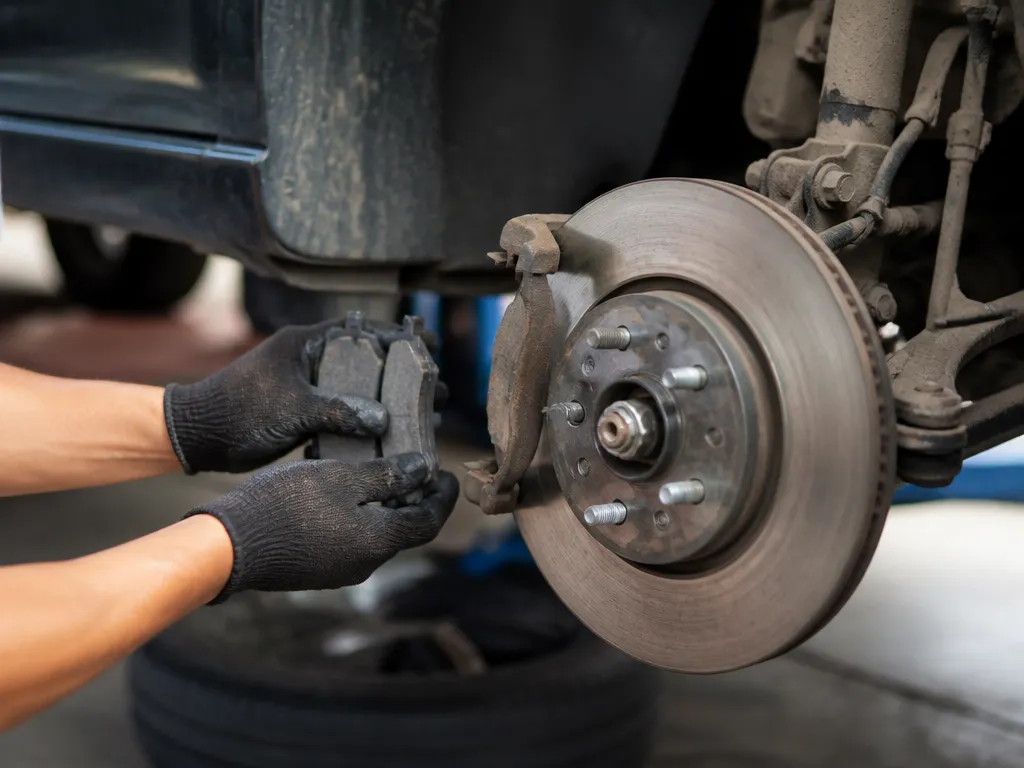
Pad-only replacement is reasonable only when the rotor is within the manufacturer’s minimum thickness limit and the braking surface is clean, flat, and free of deep scoring, severe glazing, or corrosive ridges. If the rotor is below the minimum thickness or the friction surface is damaged past the “serviceable” level, new pads can wear unevenly and cause vibration or rapid pad loss.
Manufacturer guidance is the authority, because minimum thickness varies by rotor design, vented versus solid, and vehicle-specific braking calibration. If you do not have the exact spec for your rotor, treat any “minimum” number you find online as unverified and confirm it on your rotor (some rotors stamp useful dimensions) or via the service manual for your exact make, model, and year.
Minimum Thickness: The Hard Stop
Minimum rotor thickness is a safety and performance limit, and it is the first gate that determines whether you even get to the pad-surface discussion. Measuring requires micrometers and the correct points on the rotor, because thickness changes can be uneven due to wear patterns and heat spots.
Surface Health: The “Can The Pad Bite?” Test
Even with sufficient thickness, rotor surface damage can stop pads from bedding correctly and can cause chatter, uneven wear, and persistent braking noise. Surface issues are not all equal: light discoloration can be normal heat cycling, while deep grooves and raised corrosion cause localized pad contact and accelerated wear.
Rotor thickness limits are usually the decisive factor. Surface damage is the second factor, and the deciding question is whether the rotor face can provide full, stable contact for new pads during bedding.
Surface criteria also change by rotor type and braking severity. Track-style heat cycles, frequent hard stops, or long periods parked with moisture increase the odds of glazing, uneven wear bands, and corrosion ridges, which pushes you toward resurfacing or replacement even if thickness still meets the minimum.
| Rotor problem you see | What it usually means | Pad-only replacement likely outcome |
|---|---|---|
| Uneven blue/brown discoloration | Heat variation, normal-to-moderate bedding irregularities | Often OK if surface is smooth and thickness is above minimum |
| Deep scoring grooves | Material transfer, poor bedding, or prior contamination | Uneven pad wear and vibration risk increases |
| Shiny uniform “glazed” face | Reduced friction layer maturity or overheating | Pads may glaze again quickly, noise and fade risk |
| Raised rust ridges or visible steps | Corrosion that created a lip in the swept area | New pads contact unevenly and wear fast at edges |
Rotor Condition Checklist And Measurement Methods?
The measurement process should cover thickness, surface condition, and lateral movement before fitting pads. A smooth-looking face can still be uneven or distorted, so inspect the rotor under good light and use the appropriate measuring tools.
Thickness And Surface Checks
A vernier or digital caliper is useful for a quick screening measurement, but its jaws can bridge worn edges or fail to capture small thickness differences across the braking track. A brake micrometer is the better tool because its smaller, shaped anvils measure the friction surface without resting on the outer ridge.
Take readings at several points around the rotor and record the lowest result. Measure away from the unworn outer lip, then compare the readings with the manufacturer’s discard specification; the exact limit cannot be safely guessed from rotor appearance or vehicle age.
| Condition | How to inspect it | Decision signal |
|---|---|---|
| Scoring or grooves | Run a fingernail across the face and inspect in strong light | Deep, sharp grooves or ridges need professional assessment |
| Glazing | Look for a smooth, glassy, unusually shiny surface | A polished surface may prevent proper pad bedding |
| Heat damage | Check for blue, purple, or dark patchy discoloration | Patchy marks paired with vibration or hard spots are warning signs |
| Cracks | Inspect the friction ring, edges, and drilled holes if fitted | Any crack makes the rotor unsuitable for continued use |
Runout Measurement
Secure the rotor against a clean hub, attach a dial indicator to a rigid suspension point, and place the tip near the outer portion of the braking track. Zero the gauge, rotate the rotor through a full revolution, and record the total indicator movement. Repeat after cleaning the hub face and refitting the rotor, then compare the result with the vehicle’s specified runout limit.
My practical rule: do not approve a pad-only replacement from a visual inspection alone. Measure thickness, inspect the surface, and verify runout whenever the driver reports vibration.
When To Resurfacing Or Replace Rotors?
Rotor resurfacing is reasonable only when the disc is structurally sound and will remain above the vehicle maker’s minimum thickness after machining. Replacement is the correct choice for cracks, severe corrosion, repeated thickness variation, or any rotor that is already at or below that limit.
Use the rotor’s measured condition, not its appearance alone. The exact thickness limit, allowable variation, and machining guidance come from the vehicle’s service information; the available research does not provide universal numbers, prices, or labor times.
| Observed condition | Preferred decision | Reason |
|---|---|---|
| Minor scoring or glazing, adequate thickness | Resurface or retain if the service procedure permits | Surface damage may be correctable |
| Thickness at or below discard limit | Replace | There is no safe machining allowance |
| Crack, severe pitting, or major heat damage | Replace | Machining cannot restore structural integrity |
| Uncertain measurement or conflicting symptoms | Obtain a second inspection | A wrong diagnosis can waste both pads and rotors |
For example, a rotor with shallow marks and plenty of thickness may be a sensible resurfacing candidate, while a smooth-looking rotor that is already near its discard limit is not. A rotor that looks acceptable but has persistent pulsation also needs a runout and thickness assessment rather than an automatic pad-only decision.
My decision rule is simple: if machining leaves any doubt about thickness or structural condition, replace the rotor. The extra part cost is easier to justify than fitting new pads to a rotor that cannot provide a stable braking surface.
Exact resurfacing and replacement costs or completion times were not supported by the available research, so do not rely on a generic quote. Ask the repairer for separate prices for machining, replacement rotors, labor, and any seized or damaged hardware before authorizing the work.
Pad-only Replacement Steps
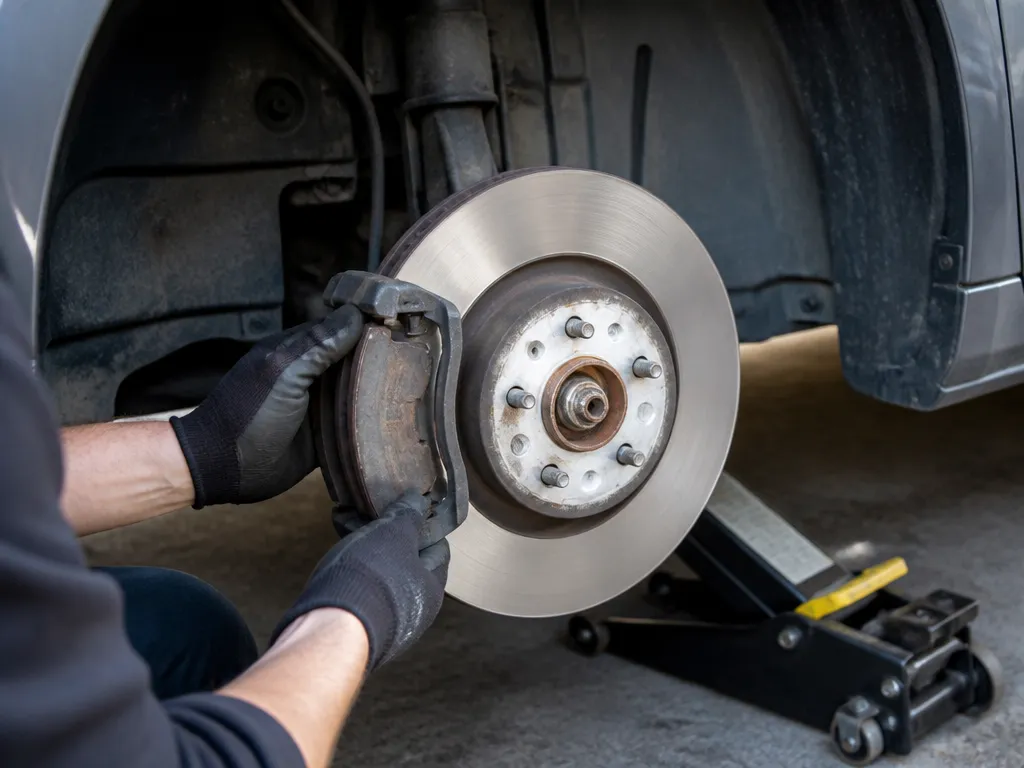
After the rotor inspection, remove the worn pads, check the caliper and hardware, install the replacement pads and supplied clips or shims, and follow the specified bedding procedure. Stop the replacement if inspection reveals a rotor defect that requires repair or replacement.
Tools, Safety, And Planning
Replacement pads, new clips or shims when supplied, brake cleaner, shop towels, gloves, and a light source complete the basic materials list. A dial indicator or professional measurement is useful when vibration or suspected rotor runout exists; visual inspection alone cannot establish every rotor defect.
Professional Service Triggers And Safety Notes?
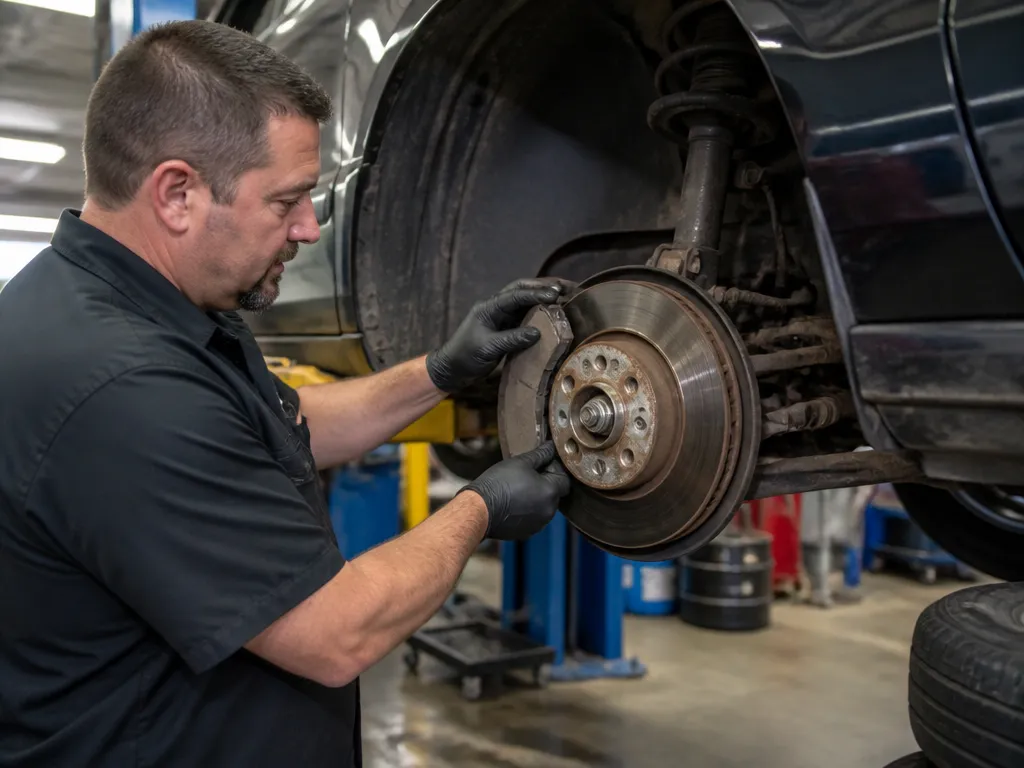
Professional inspection is the right call when braking symptoms persist after basic visual checks, when the car has electronic brake controls, or when the rotor’s wear limit cannot be verified. A pad-only decision is unsafe if the rotor is cracked, deeply scored, badly corroded, blue from overheating, or below the minimum thickness marked on the rotor or specified for the vehicle.
When To Escalate To A Professional
Brake vibration, pulling, grinding, a soft pedal, repeated wheel lockup, or a warning light deserves diagnosis rather than another parts swap. A seized caliper, damaged hose, uneven pad movement, or a hydraulic fault can make fresh pads wear incorrectly and can leave braking performance compromised.
Front and rear brakes also require different judgment. Front brakes often carry more of the stopping load, while rear systems may include an electric parking brake or a mechanism that must be placed in service mode before the caliper piston can be retracted. A shop should handle the work if the rear caliper cannot be reset through the vehicle’s specified procedure.
Abs, Traction Control, And Wear Sensors
ABS and traction control depend on accurate wheel-speed signals. A damaged sensor, tone ring, wiring fault, or contaminated sensor can trigger warnings during brake work, but replacing pads will not correct that fault. The warning should be scanned and cleared only after the underlying problem is identified, with a road test confirming that the system operates normally.
Wear-sensor arrangements vary by vehicle. Many use a replaceable sensor attached to a pad, while some systems monitor pad position electronically or use a rotor-related sensor arrangement. Check the service information before reusing a sensor, and replace damaged wiring or a sensor that has reached its wear limit. Do not bypass the circuit to suppress a warning.
| Condition | Recommended action |
|---|---|
| ABS or traction-control warning | Professional scan and wheel-speed diagnosis |
| Rear electric parking brake | Use the specified service mode or obtain professional service |
| Activated wear sensor | Replace the sensor or required sensor-equipped part, then verify the warning |
| Unverified rotor limit | Measure it against the vehicle’s documented specification |
My practical cutoff is simple: if the braking system needs an electronic reset, a diagnostic scan, or a measurement you cannot perform accurately, pay for the inspection rather than guessing.
Costs, Time, And Rotor-life Tips?
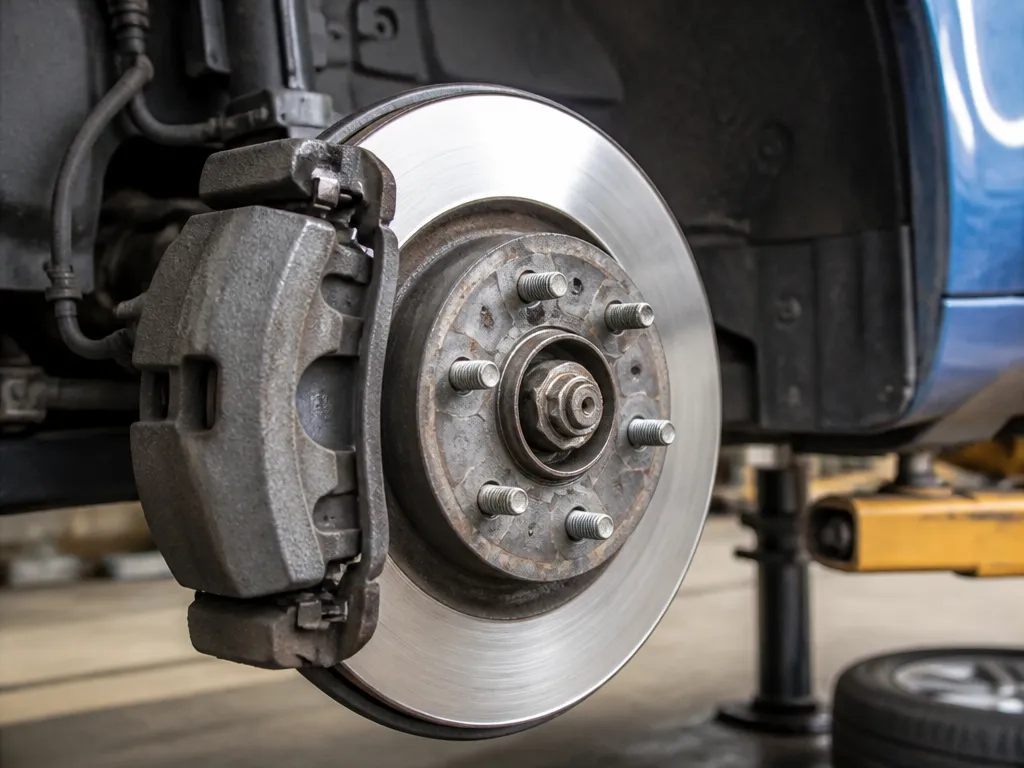
Pad-only service is usually cheaper and faster than replacing rotors, but the real cost swings based on rotor thickness, rotor surface condition, and brake hardware wear (especially slide pins and caliper guide components). A pad swap is worth it when rotors are still within usable spec and the contact surface is clean and not deeply grooved. A rotor replacement is cheaper than repeated pad failures when the rotors are warped, heavily grooved, or below minimum thickness.
Because you do not have sourced price ranges from your research pack, price estimates here are process-based, not dollar-based. Plan on a pad-only job being “lower parts cost, lower labor cost,” while rotor replacement is “higher parts cost, and extra labor,” plus any extra time to bed-in properly and recheck pedal feel and noise.
Rotor-life extension is not about babying the brakes, it is about keeping the rotor surface stable so pads can wear evenly. Heating cycles that are too aggressive and repeated hard stops from high speed drive uneven pad deposits (glazing) and can warp rotors. Keeping the pad material and rotor interface “clean and even” is the strongest practical lever you control.
For example, front and rear brakes can tell different stories because weight transfer changes braking force distribution. Front rotors usually see more heat and wear, so pad-only decisions at the front are more sensitive to rotor surface condition and thickness. Rear rotor decisions can look “fine” visually while still being compromised by uneven rust patterns or hardware issues, so you should check both axle condition and hardware movement.
For instance, sensor-equipped rotors change the workload because the sensor introduces an extra electrical step and can complicate diagnosis if the warning light appears after pad replacement. Sensor wires can also corrode where they flex near the suspension or caliper, so plan for careful inspection and replacement of any damaged harness components during pad service.
Quick Summary
ABS does not automatically force rotor replacement, but rotor stability still matters because ABS modulates braking rapidly. Vibration or pedal pulsation calls for runout and thickness measurements, because pads cannot correct rotor deformation. The practical warning signs are persistent pulsation after proper bedding, deep scoring or heavy grooves, glazing or heat spots, and any rotor that falls below its documented limit.
Frequently Asked Questions
How Much Cheaper Is It To Replace Just Brake Pads Instead Of Pads And Rotors?
In most cases, you save money by replacing only pads, because rotors are more expensive parts and often involve more labor. The exact cost difference varies a lot by vehicle and rotor condition, and reliable, general price data is not available here.
How Long Does It Usually Take To Replace Brake Pads Without Replacing Rotors?
Pad-only jobs are typically faster than rotor replacement since you are reusing the existing rotors, assuming their surfaces are still usable. If your mechanic finds scoring, deep grooves, uneven thickness, or rotor warping during inspection, the time (and work) can increase.
When Should You Not Replace Brake Pads Only, And Instead Replace Rotors?
You should plan for rotor replacement if the rotor braking surface is too damaged to be reused (for example, heavy scoring or severe uneven wear) or if the rotor is beyond safe wear limits. If you see pulsation when braking, that is a strong hint the rotor condition may be bad, not just the pads.
What Happens If You Delay Brake Pad Replacement Or Keep Driving With Worn Pads But Usable Rotors?
If pads are worn very thin, metal-to-metal contact can occur, which can damage the rotors and turn a cheap pad job into a rotor job. If you wait until you have grinding noise, brake warning lights, or reduced braking performance, you are more likely to cause additional damage.
How Can I Verify The Claim “We Can Reuse Your Rotors” Before You Approve The Work?
Ask for a measured rotor inspection, not just a visual opinion, and request to see the rotor surface and the condition where the pads make contact. Also ask whether there is any rotor scoring, uneven wear, or thickness near the vehicle’s safety limits, and whether you will reuse the same rotor hardware or replace anything worn.