Are Brake Pads Supposed To Touch Rotor? Clearance Checks
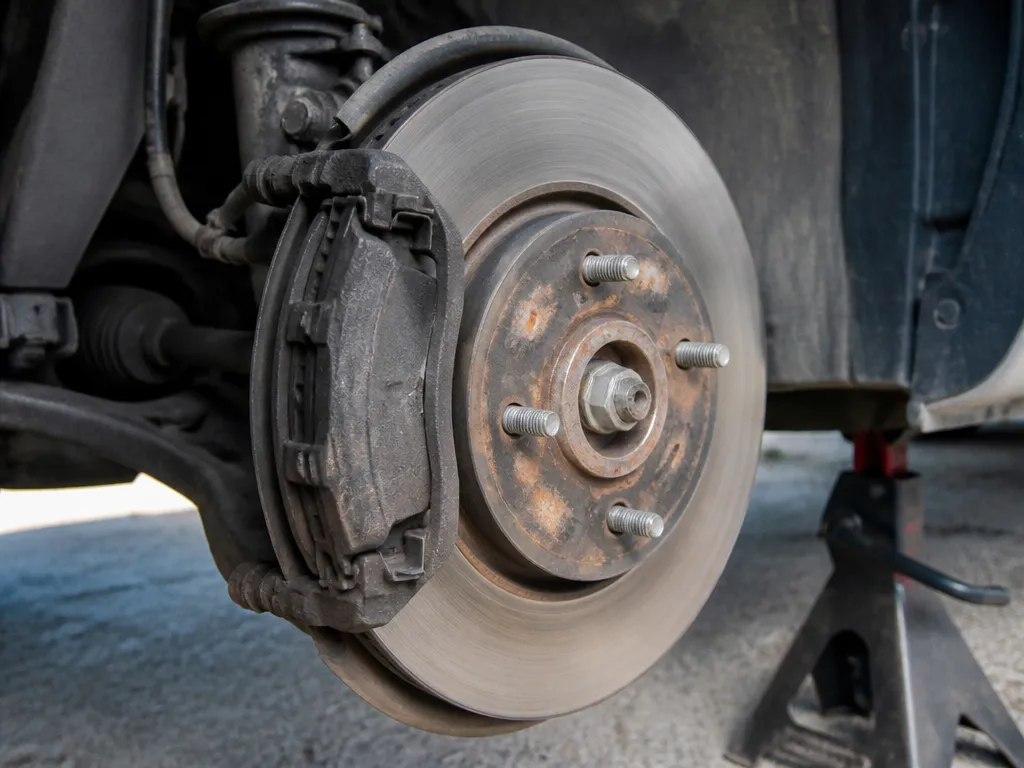
Brake pads are designed to contact the rotor when you press the brake pedal, not to rub against it continuously while you drive. With the pedal released, the brake assembly should leave enough clearance for the rotor to turn without significant drag. A faint, brief scuff can occur, but persistent rubbing, heat, odor, or uneven wear deserves inspection.
As a practical check, a safely supported wheel should turn with light, even resistance when the brake is released. It should not bind, stop quickly, or produce continuous scraping. If one wheel becomes much hotter than the others, or the vehicle coasts poorly, the pads may not be releasing correctly.
Do Brake Pads Touch The Rotor When Driving?
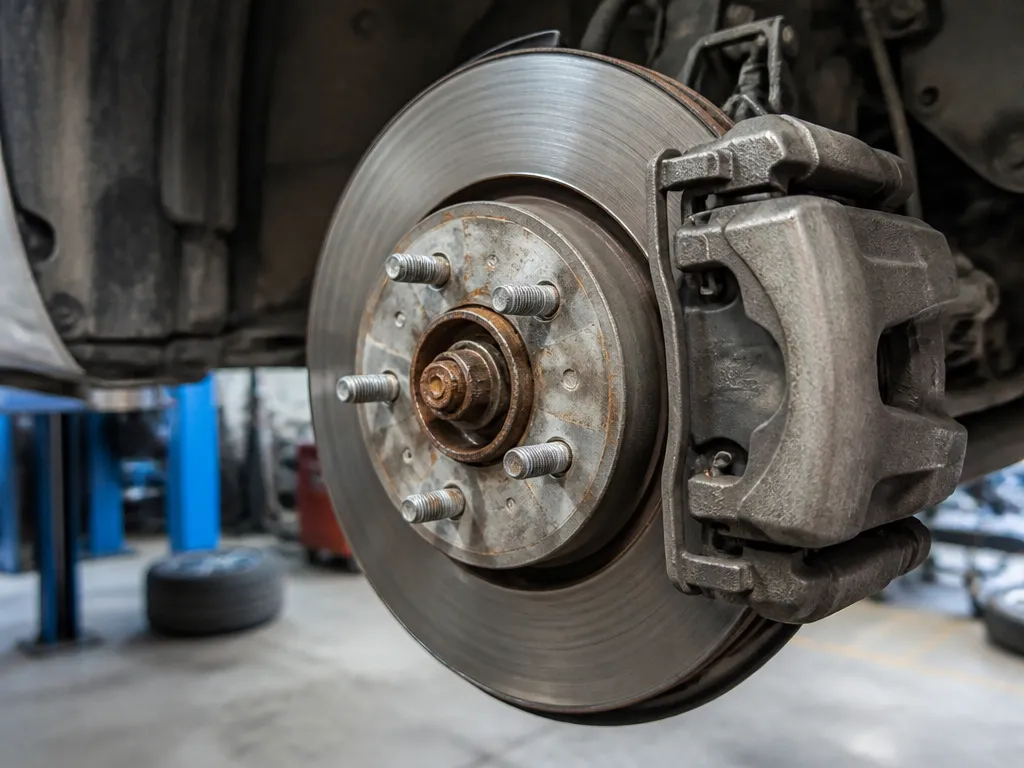
Brake pads should not remain in firm, continuous contact with the rotor while you are cruising, accelerating, or rolling with the brake pedal released. The intended sequence is contact during braking, followed by release when pedal pressure is removed.
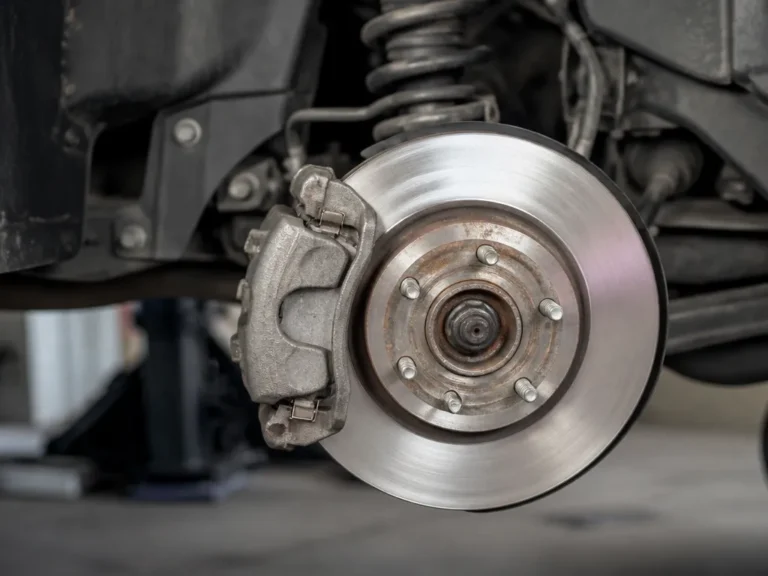
During braking, hydraulic pressure moves the caliper piston and presses the pads against opposite sides of the rotating rotor. When you release the pedal, the clamping force should fall away enough for the rotor to turn without being dragged significantly by the pads.
Some light noise or momentary scuffing does not by itself prove that a brake is stuck. Surface rust, deposits, or the condition of a recently serviced brake can affect the first few moments of contact. Persistent scraping, progressive slowdown, or one wheel becoming noticeably hotter than the others is more concerning.
The most useful distinction is whether the contact clears quickly or continues while the brake is released. If vibration, uneven dust, repeated scraping, or a consistently hotter wheel appears over several stops, have the pad fit, caliper movement, hardware, and rotor surface checked.
How Pad And Rotor Interaction Creates Stopping Power
Stopping occurs when the pads press friction material against the rotating rotor. The resulting resistance slows the wheel, and the tire transfers that change in wheel speed to the road. The pedal controls the hydraulic system that creates the clamping force.
What Variables Change Pad-to-rotor Contact Timing
Contact and release depend on the brake design, the condition of the pads and rotor, and how freely the caliper and its hardware move. A problem in any of these areas can produce delayed contact, uneven braking, or drag after the pedal is released.
How To Check For Proper Pad Clearance And Contact
A sensible check combines a cold visual inspection, a safely lifted wheel check, and a recheck after braking. Do not touch the rotor to judge its temperature or clearance. It may be hot, sharp, or contaminated.
What Problems Cause Pads To Drag Or Not Clamp Fully
Incorrect contact usually comes from parts that cannot move as intended or from fitment that prevents the pads and rotor from meeting squarely. Drag suggests that the brake is not releasing fully. Weak or inconsistent braking may indicate uneven or insufficient clamping, though the exact cause requires inspection.
If heat, drag, and uneven pad wear appear together, have the release mechanism checked before assuming the friction material alone is responsible.
Risks, Costs, And What To Do Next If Contact Is Wrong
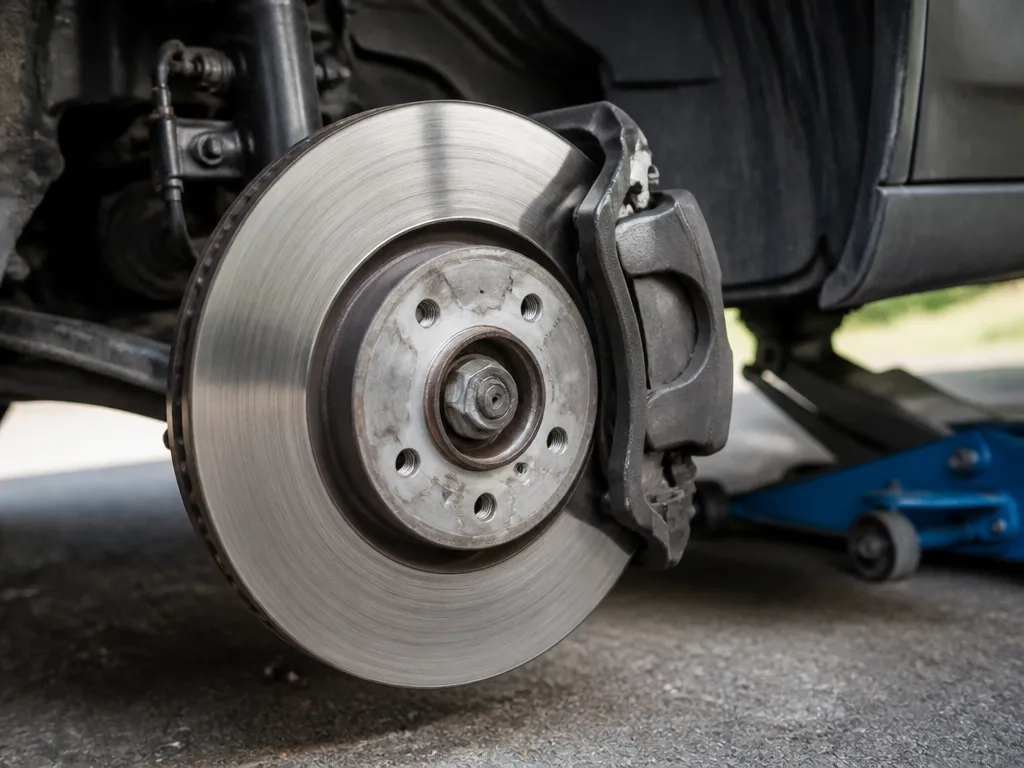
Improper contact can cause excess heat, faster wear, noise, or inconsistent braking. Constant rubbing can damage pads and rotors over time. Insufficient or uneven clamping can make braking feel weak or unpredictable. The seriousness depends on the symptoms and the failed component.
| Priority | Observed condition | Best next action |
|---|---|---|
| 1 | Light drag with no heat, pull, noise, or rapid wear | Arrange an inspection soon. Have the pad movement, slide pins, shims, and hardware checked. |
| 2 | Persistent scraping, uneven wear, pulling, or a wheel that becomes unusually hot | Limit driving and have the caliper, pads, rotor, and hardware diagnosed before further use. |
| 3 | Weak or delayed braking, an abnormal pedal, smoke, or a fluid leak | Stop driving and arrange professional service or recovery. |
This table is a triage guide, not a substitute for measuring the parts. Repeated overheating, pulling, or inconsistent clamping deserves more attention than mild noise with otherwise normal braking.
Match The Repair To The Failure
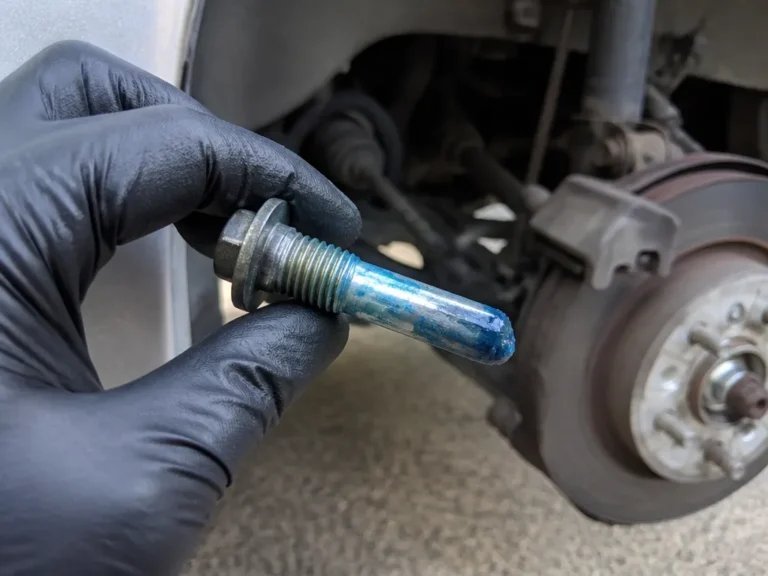
A technician may clean the caliper bracket, free the pad hardware, and lubricate the specified sliding points with suitable brake lubricant. Lubricant must stay off the friction surfaces. If the piston or slide mechanism remains seized, rebuilding or replacing the caliper may be necessary.
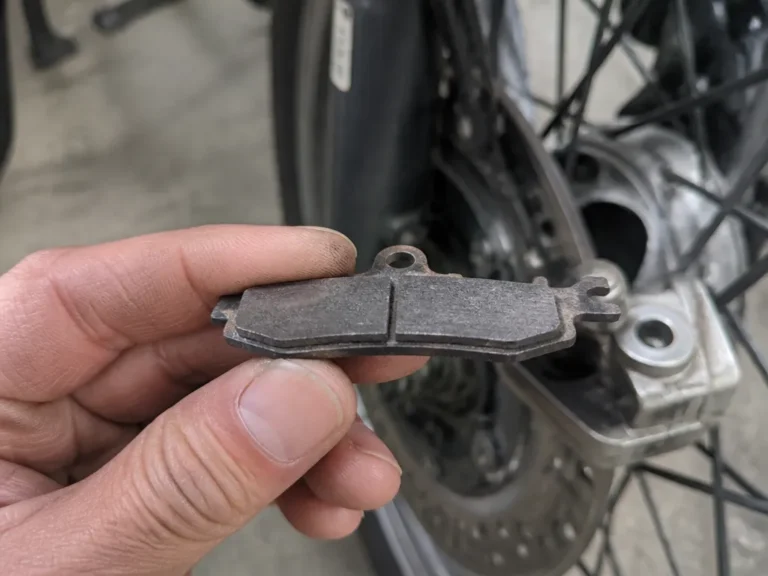
Replace worn, damaged, contaminated, or badly uneven pads and rotors when inspection shows that they can no longer work properly as a set. Hardware and shims may also need replacement if they are bent, loose, or preventing square pad movement. The correct repair depends on the failed part, so ask for the measured cause and the components proposed before authorizing work.
Do not keep driving to see whether the problem clears if braking performance is reduced, the vehicle pulls under braking, smoke or a strong burning smell appears, or brake fluid is leaking. Have the vehicle inspected where it sits, or use recovery service if safe braking cannot be confirmed.
Edge Cases Where It Seems Wrong But Is Normal
Some conditions can make it seem as though the pads are touching the rotor when the car is not braking. Brief noise or light surface interaction does not necessarily mean the caliper is stuck. The important distinction is whether the symptom clears or continues during normal driving.
Maintenance Steps That Extend Brake System Life
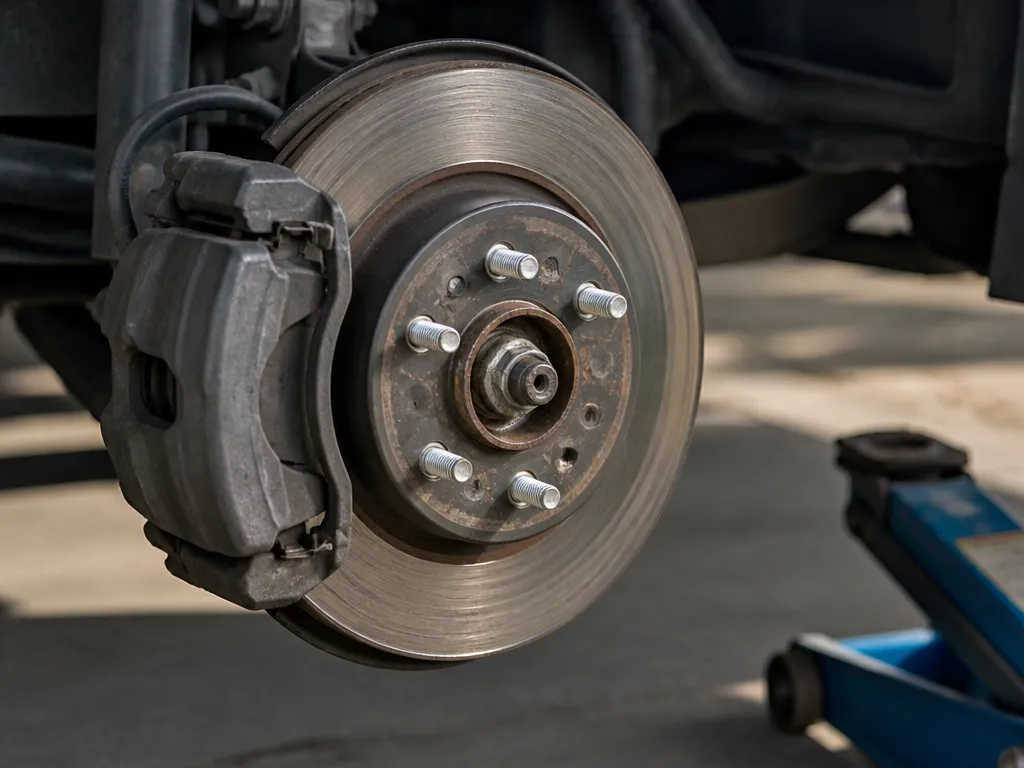
Brake maintenance should keep the caliper hardware moving freely, allow the pads to clamp evenly, and prevent contamination of the friction surfaces.
Quick Summary
The practical rule is simple: pads should clamp the rotor during braking and release enough afterward to avoid significant, continuous rubbing. A brief scuff after the vehicle has been parked can occur, but ongoing drag is not something to ignore.
Persistent contact is more likely when:
Next action: Perform a cold visual and wheel-rotation check only if the vehicle can be supported safely, then recheck for heat, noise, and drag after a short drive. Stop and seek professional help if braking is weak, the vehicle pulls, smoke appears, or one wheel becomes unusually hot.
Frequently Asked Questions
What Does It Usually Cost To Fix Brake Pad Drag, And What Parts Are Most Often Replaced?
Repair pricing varies by vehicle, location, and failed component, so there is no reliable universal figure. A repair may involve cleaning or freeing caliper hardware, replacing clips or shims, servicing a slide mechanism, or rebuilding or replacing a caliper. Pads and rotors may also need replacement if they are contaminated, badly worn, or heat-damaged.
Ask the shop to identify why the pad is not releasing and to list the measurements or observations supporting the proposed repair. That helps distinguish a hardware service from a larger caliper, pad, or rotor replacement.
How Quickly Will I Notice Damage If The Pads Are Contacting The Rotor At The Wrong Time?
There is no dependable calendar because the result depends on how much contact is occurring, how often the vehicle is driven, and the condition of the parts. Light drag may first appear as gradual heat, odor, or accelerated wear. Heavier drag can produce obvious heat, noise, pulling, or braking changes sooner.
Use the symptoms as the decision point. Strong heat, repeated odor, smoke, or altered braking should be treated as urgent rather than monitored during continued driving.
Is There Ever A Situation Where Mild Contact Is Normal, Like During Backing Up Or After A Cold Start?
Brief noise or minor surface interaction can occur after the rotors have been exposed to moisture, after the vehicle has been sitting, or while new brake surfaces are bedding in. These conditions should not be confused with steady contact while the vehicle is rolling normally.
If the symptom returns every drive with the pedal released, or if the wheel shows consistent drag or heat, have the retraction mechanism and hardware checked.
What Happens If I Keep Driving While The Pads Are Dragging Or Not Clamping Correctly?
Continued driving can increase pad and rotor wear and may create more heat. If the caliper is not clamping evenly, braking may also feel inconsistent or less effective. The exact risk depends on the severity and cause.
Stop driving and arrange an inspection if you notice repeated odor, an unusually warm wheel, smoke, pulling, or a changing brake pedal. Do not rely on a wait-and-see approach when braking performance is affected.
How Can I Verify A Claim Like “Your Caliper Is Sticking” Without Taking Their Word For It?
Ask what observation supports the diagnosis. Relevant checks can include uneven inner and outer pad wear, a wheel that remains difficult to turn after pedal release, restricted slide movement, difficulty moving the piston, or measurements showing abnormal rotor and pad contact.
You can inspect visible pad position and hardware during a cold check, but confirming a sticking piston or an internal seal problem may require brake-service equipment and disassembly. Ask whether the slide hardware, shims, pad fit, and caliper movement were checked before authorizing parts.
When Should I Get Professional Help Instead Of Doing Basic Checks Myself?
Get professional help when the cause is not clear, the symptom repeats, or braking performance has changed. Uneven wear, persistent scraping, a hot wheel, pulling, smoke, a fluid leak, or a pedal that feels abnormal all justify prompt inspection.
Do not continue with a home diagnosis if you are unsure whether the problem is pad drag or weak clamping, or if you suspect damaged seals, contaminated friction surfaces, or a distorted component. Safe support and correct brake measurements matter more than replacing parts at random.