

Brake Caliper Pin Stuck Symptoms And How To Diagnose And Fix Them
A stuck caliper pin can leave one brake partly engaged after you release the pedal. The usual clues are a wheel that becomes much hotter than its opposite side, uneven pad wear, a burning smell, drag, or a vehicle that pulls during braking. These signs point to a sticking slide, but they do not prove it. A seized piston, restricted brake hose, rotor fault, or pad problem can feel similar.
Strong heat, visible rotor discoloration, and a pull to one side deserve prompt attention, especially when they appear together. Avoid normal driving until the guide pins and other brake components have been inspected if a wheel becomes much hotter than the others or braking feels abnormal.
What Are The Most Common Symptoms Of A Stuck Brake Caliper Pin?
A stuck caliper pin is suspected when friction continues after the brake pedal is released. The clearest signs usually appear at the affected wheel and in the way the vehicle moves.
Heat at one wheel combined with drag or a one-sided pull is a stronger pattern than heat alone. The brake is likely generating friction when it should be releasing, but the inspection still needs to distinguish a stuck pin from a piston, hose, rotor, or pad fault.
If the rotor appears discolored or the braking feels uneven, inspect the pad and rotor surfaces as well as the slide hardware. A smell can come from overheated brake material, but smell alone is too vague to identify the failed part.
If one wheel is much hotter than the others, a burning smell develops, or the pull becomes worse, stop driving as soon as it is safe. Continued drag can accelerate pad and rotor damage and may affect braking consistency.
Why Does A Stuck Pin Cause These Symptoms?
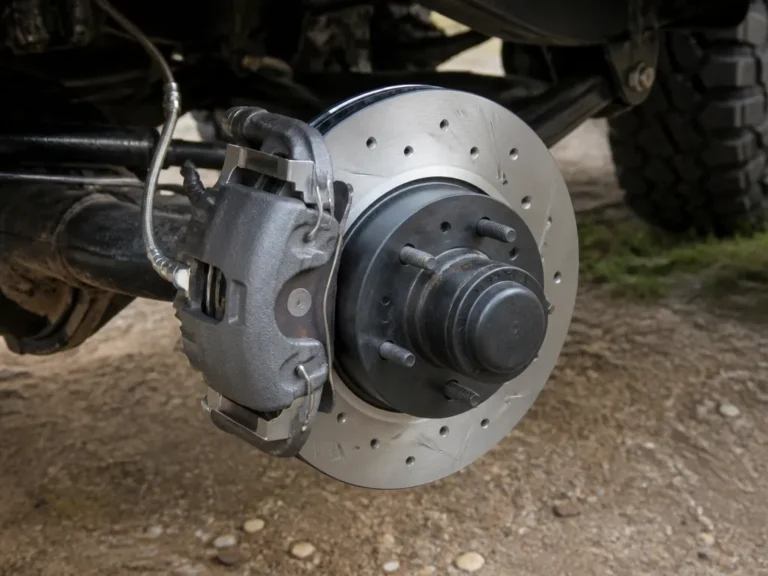
On a floating caliper, guide pins allow the caliper to move and center itself over the rotor. When a pin binds, that movement becomes restricted. The caliper may then apply uneven pressure or fail to release cleanly, leaving friction at one corner.
When the pedal is released, the brake should stop applying force. A restricted slide can prevent the caliper from settling correctly, so friction and heat continue until the vehicle stops or the parts cool.
Which Variables Affect How Severe The Symptoms Appear?
The same restriction can seem minor on one drive and obvious on another. Heat, brake use, component condition, and the environment all affect how quickly the symptoms appear.
Several factors can overlap. For example, repeated braking in wet or salty conditions may expose a restriction sooner than light use in dry conditions. Severity cannot be judged from driving conditions alone, so the hardware still needs to be checked.
How Should You Diagnose A Possible Stuck Pin, Step By Step?
Diagnosis should confirm brake drag and then identify whether the slide pins are responsible. Heat is a useful warning sign, not a complete diagnosis.
What Happens If You Ignore Stuck-pin Symptoms?
Ignoring a stuck caliper pin allows the brake to drag for longer. That can increase heat and wear, and it may turn a serviceable slide problem into damage involving the pads, rotor, caliper, or other brake parts.
| What gets worse when you ignore it | What you may notice first | Why it gets dangerous or expensive | What usually follows if it keeps happening |
|---|---|---|---|
| Heat buildup | A hot wheel, brake smell, or a brake that does not seem to release fully | Continued friction transfers heat into the pad, rotor, caliper, and nearby hardware | Further heat damage, glazing, or distortion may develop |
| Accelerated pad and rotor wear | Uneven pad thickness, grooves, glazing, or discoloration | Drag keeps the pad contacting the rotor more than intended | Pads may need earlier replacement, and the rotor may also require service or replacement |
| Caliper hardware damage risk | Increasing resistance, corrosion, or a damaged slide boot | Corrosion and contamination can make the caliper harder to free and align | Cleaning may no longer be enough, leaving hardware or the caliper to be replaced |
| Brake performance risk | Uneven braking, a longer-feeling stop, repeated heat, or a changing pedal | Heat and uneven friction can make brake response less predictable | The vehicle may require a complete inspection before it is safe to return to normal use |
| Higher repair costs | A problem that keeps returning after a basic service | Heat and wear can damage parts that were initially serviceable | The repair may expand from slide service to pads, rotors, hardware, or a caliper |
| Fuel efficiency impact | The vehicle feels reluctant to coast or accelerate | Brake drag adds resistance while driving | Any added fuel use continues until the restriction is corrected |
Do not wait for a brake problem to become severe before arranging an inspection. The longer a brake drags, the greater the chance that heat and wear will affect more than the original pin.
My rule: if one wheel repeatedly becomes much hotter than the others after ordinary driving, treat the issue as urgent and have the brake inspected before continuing normal use.
If the wheel is extremely hot, smoke is visible, the vehicle pulls sharply, or braking changes suddenly, stop in a safe place and arrange recovery rather than driving farther.
What Repair Options Exist, From Diy Fixes To Professional Service?
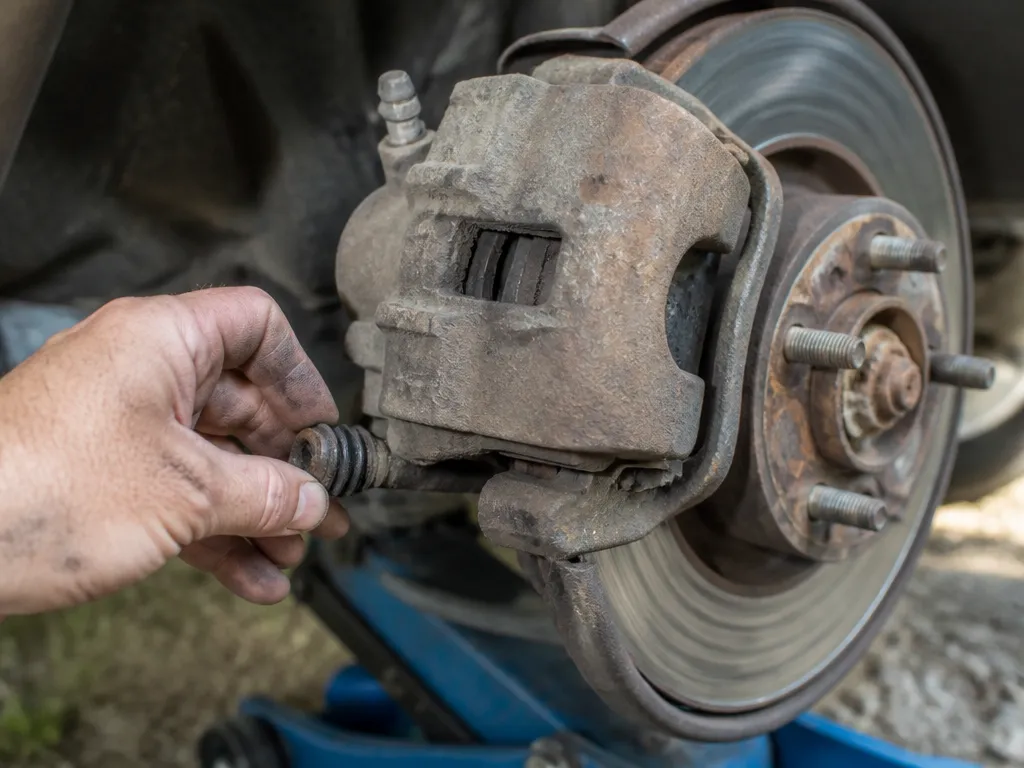
The correct repair depends on the condition of the pin, boot, bore, bracket, caliper, and other brake components. The goal is not merely to add lubricant. The caliper must move correctly, the pads must sit properly, and the brake must release without abnormal drag.
Diy Service Steps (For A Pin That Is Stuck But Still Salvageable)
Only attempt this work if you can safely support the vehicle, identify the brake design, and follow its service procedure. Do not let the caliper hang by the hose or contaminate the pad and rotor surfaces.
After gaining safe access, remove old lubricant and contamination from the pin, boot, and bore. Light surface corrosion may be cleanable, but a pin or bore with deep pitting, scoring, or damage should not be returned to service simply because it moves after force is applied.
If the parts are serviceable, use the lubricant specified for that caliper slide and keep it off friction surfaces. Recheck smooth movement through the intended range, reassemble correctly, and verify that the brake no longer shows abnormal drag. If the problem remains, stop and arrange professional diagnosis.
When To Replace Pins Or Caliper Hardware
Replace the pins or related hardware when cleaning does not restore smooth, consistent movement, or when the pin is pitted, bent, scored, or repeatedly binds. A torn, swollen, loose, or poorly sealing boot also needs attention because it can allow water and grit back into the slide.
A complete hardware kit may be the better repair when several slide components are worn. If the caliper body, bracket, or bore is damaged, the caliper or bracket may need replacement rather than another cleaning attempt.
Caliper Rebuild Vs Replacement, What To Expect
A rebuild addresses worn or contaminated internal caliper components. Slide service addresses the external guide system. If the piston, seal, or caliper body is damaged, replacing the caliper or using a suitable remanufactured unit may be more practical than servicing the pins alone.
The time and cost depend on which parts are damaged, how accessible the brake is, whether corrosion has seized the hardware, and whether the pads or rotor were affected. Ask for the inspection findings and a breakdown of the proposed work before approving repairs.
Choosing A Shop, And How To Verify The Repair
Choose a shop that will inspect the slide hardware and check caliper movement rather than replacing pads without finding the cause. Ask whether the technician will compare pad wear, inspect the piston and hose when appropriate, and verify that the wheel no longer shows abnormal drag.
Request a clear explanation of whether the repair involves cleaning, a hardware kit, internal caliper work, or caliper replacement. After the repair, the original heat, smell, pull, or drag should not return. If it does, ask for prompt reinspection.
What Maintenance Helps Prevent Future Stuck Pins?
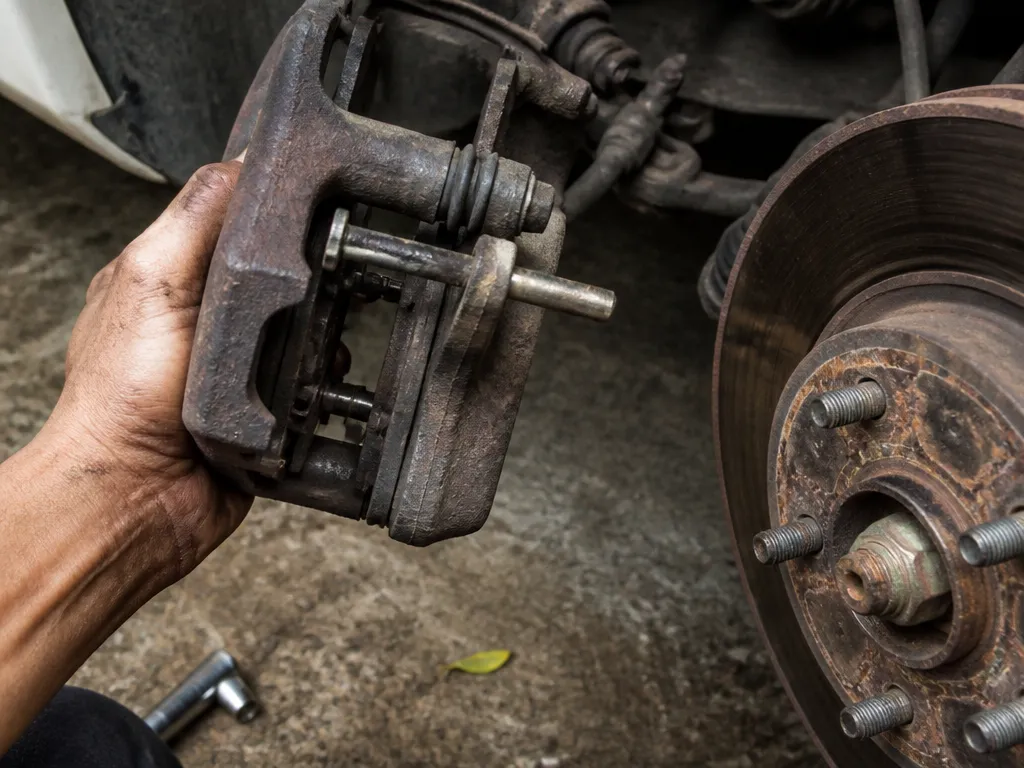
Prevention depends on checking the guide pins during brake service, protecting the boots, cleaning the bores, and using the lubricant specified for the brake assembly. A pin that feels stiff or shows corrosion should be addressed before it begins dragging.
What Edge Cases Might Mislead You About Caliper Pin Problems?
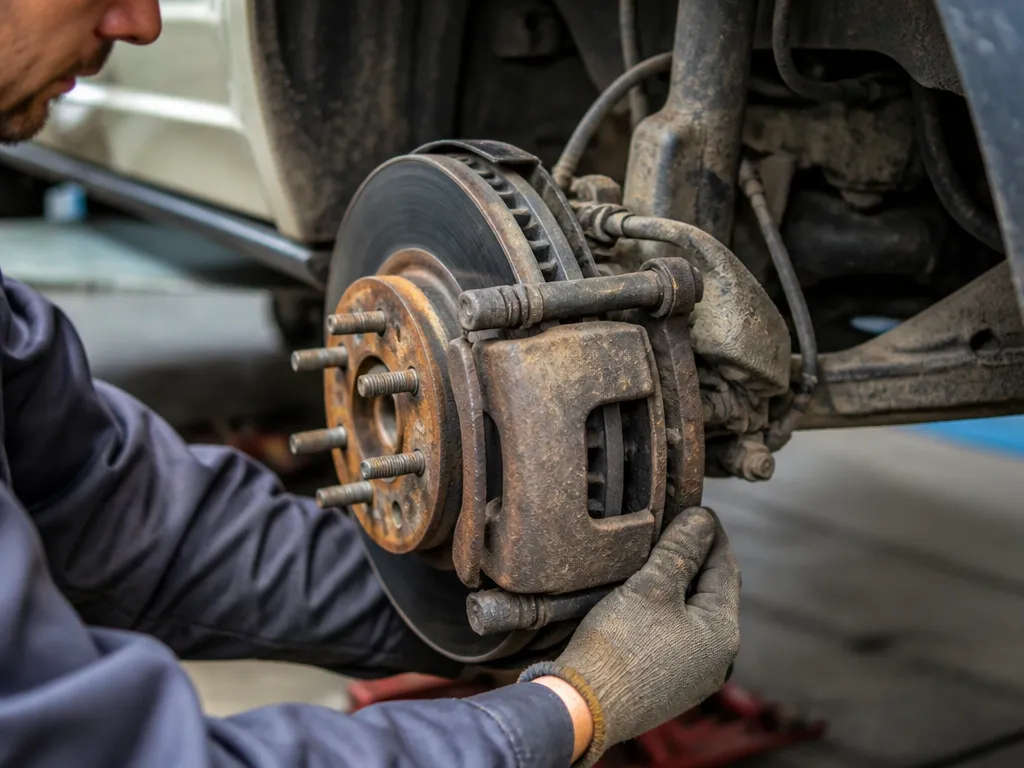
Heat, pulling, noise, and uneven braking can point toward a stuck pin, but they are not proof. Rotor condition, pad wear, ABS operation, piston movement, the flexible hose, and wheel-end components can create similar symptoms.
Rotor, Pad, And Abs Problems That Look Like Pin Drag
Symptom: The brake pedal pulses, the steering wheel shakes during braking, or one stop feels rough. Likely cause: Rotor runout, uneven friction material, a damaged rotor, or contaminated pads can create vibration without a stuck slide pin. An ABS fault can also cause pedal pulsation or unwanted intervention, particularly when a warning light or wheel-speed problem is present.
Fix: Compare the pad and rotor surfaces on both sides of the axle and scan the ABS system when its warning light is on or the symptoms suggest an electronic fault. Do not replace pins solely because braking feels rough.
Piston Sticking And Restricted Hose Versus A Stuck Pin
Symptom: One brake remains applied, the vehicle pulls, or one wheel becomes hot even though the slide pin moves freely. Likely cause: The caliper piston may be seized or slow to retract. A deteriorated flexible hose can also restrict fluid return and leave pressure at the caliper after pedal release.
Fix: Have the piston, dust seal, hose, and hydraulic pressure checked when pin movement is normal. A pin replacement will not correct a piston or hose restriction. Free-moving pins combined with continued pad pressure shift suspicion toward the piston or hydraulic circuit.
When Matching Symptoms Still Produce The Wrong Diagnosis
Symptom: The car pulls or one wheel feels hotter than the other, but the inspection finds no obvious corrosion, torn boot, or stiff pin. Likely cause: Tire condition, alignment, wheel-bearing problems, pad contamination, or a fault on the opposite side can alter the vehicle’s behavior. A short drive may also fail to reproduce an intermittent problem.
Fix: Compare both sides of the axle and note what changes during braking, coasting, steering, and different road conditions. If the pin looks healthy, stop treating it as confirmed. Arrange a complete brake and wheel-end inspection, followed by verification that the original symptoms have gone.
Quick Summary
Treat suspected caliper-pin drag as a brake inspection problem, not a noise to monitor indefinitely. Continued heat, pulling, drag, or uneven braking warrants checking the slide hardware and the other components at that wheel.
There is no universal temperature, wear percentage, repair price, or safe driving-distance limit that confirms a stuck pin. Arrange a brake inspection and report which wheel heats up, whether the vehicle pulls, whether the brake smells, and how the symptom changes after the vehicle stops.
Frequently Asked Questions
How Much Does A Stuck Caliper Pin Repair Cost?
There is no single reliable price. The bill depends on whether cleaning and compatible lubricant restore movement or whether the pin, boot, bore, pads, rotor, bracket, or caliper also needs replacement.
Ask the shop to separate the inspection, slide-hardware work, and recommended parts on the estimate. That makes it easier to understand why a complete caliper replacement is or is not necessary.
How Long Does The Repair Usually Take?
A simple slide service may be completed during one repair visit, but a seized or damaged pin can require replacement hardware, a caliper, or additional brake work. Corrosion and parts availability often determine the timing.
Before approving the job, ask whether the technician expects to service only the slide pins or inspect the complete brake assembly at that corner.
Could A Stuck Pin Appear Soon After New Pads Or Rotors Were Installed?
Recent brake work does not rule it out. A pin may still be corroded, contaminated, incorrectly lubricated, fitted with a damaged boot, or unable to slide freely after the service.
Return to the installer if the symptom began immediately after the work. Request an inspection of pin movement, boot condition, pad seating, and caliper alignment rather than assuming the new parts simply need to bed in.
When Is A Shop Visit Safer Than A Driveway Repair?
Choose professional inspection if the pin will not come out, the caliper bore is damaged, the boot is torn, the wheel becomes extremely hot, or you cannot safely support the vehicle and remove the wheel. Brake hardware that requires force or heat is a poor first DIY repair.
A burning smell, visible smoke, severe pulling, or a sudden change in braking calls for stopping in a safe place and arranging recovery rather than driving to the shop.
How Can I Verify That The Repair Actually Fixed The Problem?
Ask what the technician found and which parts were cleaned or replaced. The repair should include confirmation that the serviced pin moves freely, the boot seals correctly, the pads sit properly, and the caliper is aligned.
After the vehicle is returned, pay attention to the same wheel and handling conditions that exposed the fault. A repeat of the original heat, drag, pull, or smell means the repair needs prompt reinspection, not more lubricant applied from outside.
Can I Leave A Mildly Stiff Pin Alone Until The Next Brake Service?
That is a poor gamble. A pin that is already stiff can worsen with corrosion or contamination, and the visible symptom may remain small until pad or rotor wear makes the imbalance obvious.
Have it assessed at the next available opportunity. Do not postpone the inspection if the wheel heats up, the vehicle pulls, braking changes, or the pedal feels different.



One Comment