
How To Skip A Tooth On Timing Belt? Stepwise Repair And Safety
If you suspect a timing belt has skipped a tooth, stop driving and avoid restarting the engine until the timing has been checked. A belt that has moved out of position can leave the camshaft and crankshaft out of sync. Depending on the engine design and the amount of misalignment, continued operation may cause poor running or internal damage.
Do not intentionally skip a tooth as a tuning adjustment or shortcut. The safe repair is to identify why the belt moved, restore the manufacturer-specified timing, and inspect the belt system before the engine runs again.
What Does Skipping A Tooth On A Timing Belt Mean?
A skipped tooth means the timing belt has moved relative to the crankshaft or camshaft sprocket. The belt may still be fitted over the sprockets, but the camshaft is no longer phased to the crankshaft as specified by the engine manufacturer.
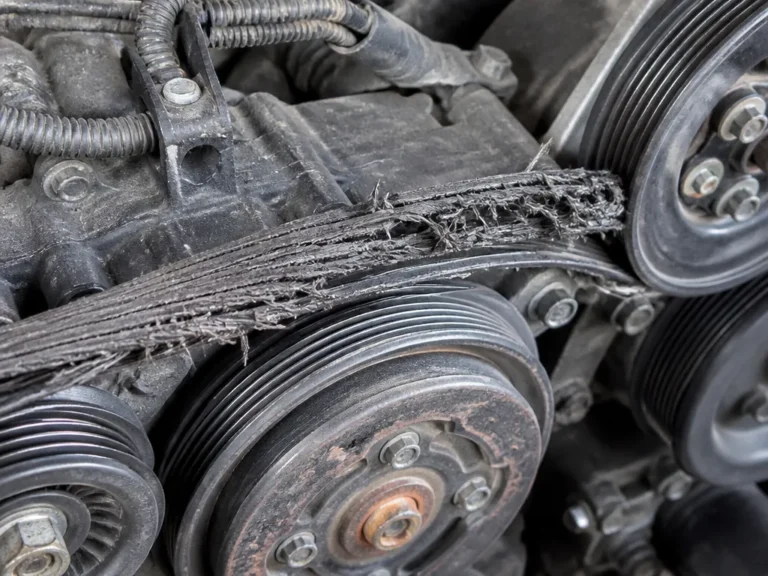
Belt wear and skipped timing are different problems. Wear includes cracking, fraying, glazing, or damaged teeth. A skip is a change in the belt-to-sprocket relationship. A worn belt can still be correctly timed, while a belt that looks acceptable can still be installed or positioned incorrectly.
Definition Of A Skipped Tooth
Timing belt teeth engage matching teeth on the crankshaft and camshaft sprockets. If the belt loses engagement and re-engages in a different position, the camshaft phase changes relative to the crankshaft. The amount of change depends on the engine and the belt and sprocket design.
How Timing Marks Appear When A Tooth Is Skipped
With the crankshaft placed at the reference position specified for the engine, the timing marks should align according to the service procedure. If the marks remain consistently offset, or cannot be brought into the specified relationship, possible causes include a skipped tooth, incorrect installation, incorrect rotation, or a tensioning problem.
| What you observe | Most likely meaning |
|---|---|
| Timing marks align at the specified crank reference | Timing is likely aligned, although this does not rule out other faults |
| Marks are consistently offset at the specified crank reference | Possible belt-to-sprocket phase error |
| Marks do not match in the expected positions | Possible skip, incorrect installation, or tension and rotation error |
Is It Possible To Skip A Tooth Intentionally, And Why People Ask?
Someone may consider intentionally moving the belt by a tooth to correct rough running, poor performance, or marks that appear slightly misaligned. That is not a reliable adjustment. The correct timing position is specific to the engine, and moving the belt without following the service procedure can create a new fault or increase the risk of damage.
Why Would Someone Consider Skipping A Tooth In The First Place?

The idea usually comes from an engine that runs roughly after maintenance, a no-start condition after the belt or tensioner was disturbed, or misfires that seem related to timing. Those symptoms can also result from ignition, fuel, sensor, compression, or installation problems.
Motives And Misperceptions That Lead To The Idea
A common mistake is to see marks that do not align and assume that moving the belt by a tooth will correct them. Another is to treat belt appearance as proof that timing is correct. The belt can look normal while being mispositioned, and a worn-looking belt can still be aligned correctly. Cost and convenience can also make intentional misalignment seem preferable to removing and retiming the belt.
Do not treat a skipped tooth as a minor tuning change. If the belt has moved, restore the specified cam-to-crank relationship and find out why the movement occurred. Repeated starts can make the result worse, particularly if the engine design allows valve-to-piston contact.
Rule to follow: if you suspect timing is wrong, correct the belt installation and verify the timing. Do not compensate by intentionally shifting the belt.
If you cannot confirm the relationship between the crankshaft and camshaft, do not run the engine to test the theory. Arrange a proper inspection instead.
What Factors Determine The Impact Of Skipping A Tooth?
The result depends on the engine design, the amount of phase error, and the condition of the belt drive. These factors cannot be judged reliably from the symptom alone.
Your practical takeaway: Treat a suspected skip as more urgent when the engine may be an interference design, the belt system shows damage or poor tracking, or the engine has stopped running normally. If the engine type is unknown, verify it before deciding that the vehicle is safe to operate.
What Are The Immediate Risks If A Tooth Is Skipped?
A skipped belt changes the relationship between valve timing and piston position. The consequences vary by engine, but running the engine before checking the timing can turn a correctable installation problem into a more serious repair.
Do not use engine sound alone to judge the outcome. A vehicle that still starts may nevertheless have incorrect timing or damage, while a no-start condition does not identify the exact cause.
How Can You Verify Timing Alignment After Suspecting A Skip?
Use the model-specific service procedure for the inspection. The essential check is mechanical: position the crankshaft as specified and confirm that the camshaft marks and belt engagement match the required references. Compression, leak-down, and diagnostic checks may help assess the result, but they do not replace correct timing verification.
If the belt and timing marks do not match the specified relationship, do not start the engine to see whether it improves. Correct the alignment and then repeat the verification procedure.
What To Record So The Next Step Is Faster
Record the crankshaft and camshaft mark positions, the belt’s tracking and condition, any visible tensioner or pulley problem, the diagnostic codes, and the cylinders identified by a compression or leak-down test. This information helps separate a timing error from a separate ignition, fuel, sensor, or mechanical fault.
What Should You Do To Fix And Prevent Damage If Misalignment Is Found?
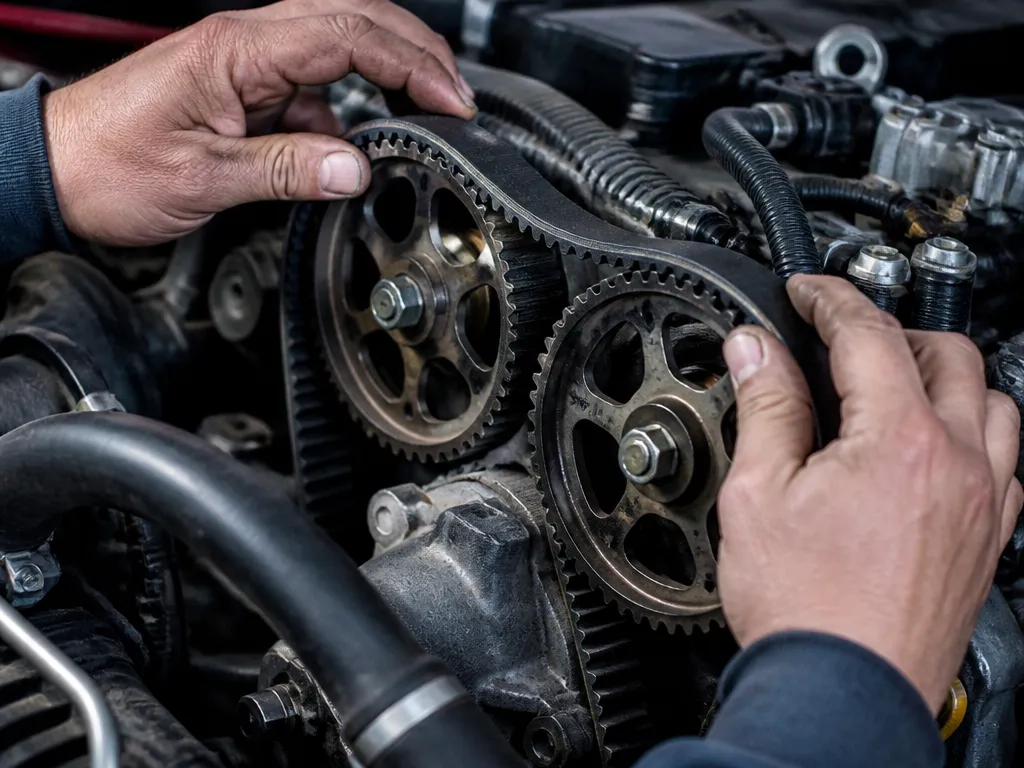
If the belt is misaligned or has moved, stop running the engine and correct the timing according to the service procedure. The repair should restore the specified cam-to-crank relationship and address the condition that allowed the belt to move.
Stop Driving, Protect The Engine, And Get The Right Service
Stop driving if the engine has misfired, lost power, made unusual noises, or developed a starting problem after a belt event. Avoid additional engine cycles until the timing has been checked.
Contact a qualified technician if you do not have the model-specific procedure, the required tools, or a clear way to verify the marks and tension. Tell the technician whether the engine was restarted and whether the crankshaft was turned by hand.
Typical Repair Path: Replace What Is Out Of Spec, Then Re-time Correctly
Inspect the timing belt and related parts. Replacement may be appropriate if the belt is damaged, contaminated, incorrectly tensioned, or has experienced a jump. The tensioner, pulleys, guides, and other components should be assessed rather than assuming the belt was the only problem.
Re-time the camshaft and crankshaft to the manufacturer’s references and set tension using the specified procedure. If the marks do not remain aligned after the required hand rotation and recheck, stop and correct the installation before starting the engine.
Post-repair Checks That Confirm Alignment Is Actually Correct
Repeat the mechanical verification after the belt is installed. Confirm the specified marks, belt seating, and tension, then check for leaks, abnormal noises, starting problems, or misfires as appropriate for the model.
Road-test carefully only after the engine runs normally and the timing system has passed its checks. Follow the technician’s or manufacturer’s inspection guidance if symptoms return.
What Edge Cases And Misconceptions Commonly Arise?
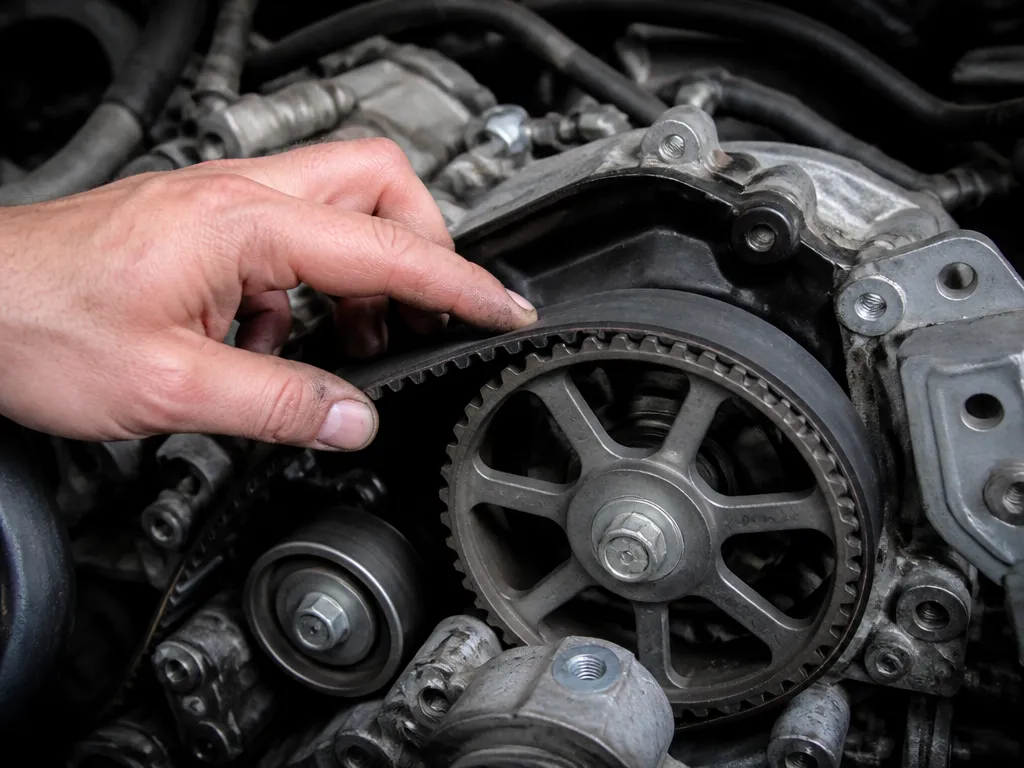
Most mistakes come from treating a running engine, an intact-looking belt, or a single set of marks as proof that timing is correct. None of those observations replaces the specified mechanical check.
Perceived Tolerance In Noninterference Engines
A noninterference design may reduce the likelihood of valve-to-piston contact, but it does not make incorrect timing acceptable. The engine can still run poorly, fail to start, or suffer further belt-system problems. Confirm the timing rather than assuming the design makes the skip harmless.
Misconception: Belt Wear Equals Correct Timing
A belt can be worn and correctly timed, or appear normal while being mispositioned. Inspect condition and timing as separate issues.
Visual Wear Does Not Guarantee Timing Correctness
Marks are useful only when the engine is positioned as the service procedure specifies and the crankshaft and camshaft relationship is checked together. A quick glance at an accessible mark cannot confirm the entire timing system.
Other Timing Issues That Mimic A Skipped Tooth
Incorrect belt seating, poor tension, damaged pulleys, and sensor, ignition, fuel, or compression faults can produce similar symptoms. Do not replace or move the belt solely because the engine runs roughly. Verify the mechanical timing and investigate other likely causes.
When a belt or engine “looks fine,” confirm the crankshaft-to-camshaft relationship using the correct procedure.
Quick Summary
If you suspect a timing belt tooth skip, stop running the engine and verify the timing before attempting another restart.
The main factors are the engine design, the amount of timing error, and the condition of the belt system. An interference engine may have a greater risk of internal damage, but a noninterference engine still requires correct timing. Symptoms alone cannot establish whether the belt has skipped or whether damage has occurred.
Single next action: Have the timing marks, belt position, tension, and related components checked against the model-specific service procedure. Restart the engine only after the timing is correctly restored and the inspection supports doing so.
Frequently Asked Questions
What Is This Repair Likely To Cost (Parts And Labor), And What Should I Ask The Shop To Quote?
There is no reliable general price without the vehicle, engine, parts required, and local labor rate. Ask for an itemized quote covering inspection, belt and tensioner components, labor to remove and retime the belt, and checks for possible related damage.
Ask what post-repair verification the shop will perform, including how it will confirm timing alignment and whether it will check for continuing misfires or unusual operation.
Can I Drive The Car To Move It A Short Distance, Like Out Of A Driveway, If I Suspect A Tooth Skip?
Do not rely on a short-distance exception. If timing is wrong, even brief operation may worsen the problem, and the engine design may be unknown. Use a method that does not require running the engine, such as moving or towing the vehicle, and have the timing checked first.
Are There Any Engines Or Failure Patterns Where Skipping A Tooth Is Less Likely To Cause Expensive Damage?
Risk varies with the engine design, the amount of misalignment, and the condition of the belt system. A noninterference design may reduce the risk of valve-to-piston contact, but it does not make a skipped belt safe to ignore. Ask the technician to identify the engine design and explain which checks support the diagnosis.
What Happens If I Do Nothing For A Few Weeks And Just Monitor It?
If the engine is not run, the condition may not worsen through operation, but leaving the fault unresolved does not restore timing or identify the cause. If the engine is started and driven while misaligned, the belt may move again and the engine may develop additional problems.
Arrange an inspection rather than relying on intermittent symptoms or waiting for the problem to become clearer.
When Should I Get Professional Help Immediately Instead Of Trying To Re-check Timing Myself?
Get professional help if you do not have the correct service procedure or tools, cannot identify the crankshaft and camshaft references, or are unsure whether the engine is an interference design. Seek help promptly if the engine will not start, cranks abnormally, makes mechanical noise, loses power, or shows timing-related diagnostic information.
Do not continue repeated restart attempts while trying to diagnose the problem.
How Can I Verify A Shop’s Claim That “Timing Is Correct” Using Checks I Can Perform At Home?
Ask the shop to explain how it positioned the crankshaft, how the camshaft marks were checked, and how belt tension and tracking were verified. At home, only repeat those checks if you have the correct procedure and can access the required inspection points safely.
Running behavior and diagnostic codes can support the result, but they cannot replace the mechanical timing check. If the explanation is vague, request a specific description of the verification performed.
How Do I Tell The Difference Between A One-time Belt “Jump” And An Ongoing Cause Like Tensioner Or Pulley Issues?
You cannot reliably distinguish them from symptoms alone. Inspect the belt, tensioner, pulleys, guides, alignment, and tension, then verify that the timing remains correct after the repair procedure.
If the belt is merely retimed while the cause of the movement is left unresolved, the problem may recur. Ask the shop what it found beyond the belt itself and what confirms that the belt will remain correctly tracked and tensioned.