
How Long Can A Car Run Without A Serpentine Belt? Risks And Fixes
A car may continue running briefly after its serpentine belt breaks, but it should not be driven normally. Depending on the vehicle, the belt may drive the alternator, water pump, power-steering pump, air-conditioning compressor, or other accessories. Losing those functions can lead to a flat battery, heavy steering, or overheating.
There is no dependable universal time or distance the car can travel without the belt. The outcome depends on the belt layout, battery condition, engine load, temperature, and whether coolant circulation continues. Treat a broken or displaced belt as a reason to stop safely and arrange a repair.
Can A Car Run Without A Serpentine Belt?
The engine may start or continue idling for a short period after the serpentine belt is lost, but that does not make the vehicle safe to drive. The starter can crank the engine without the serpentine belt turning, and the battery may initially provide enough power for the ignition and engine controls. Once running, however, belt-driven charging, cooling, steering, or other functions may be unavailable.
Can the engine start or idle without the belt? In many layouts, it can. The result depends on which accessories the belt drives. If the alternator is belt-driven, the battery is no longer being replenished. If the water pump is belt-driven, coolant circulation may be reduced or lost. Either problem can end the journey, and continued operation may cause additional damage.
What does temporary operation look like? The car may seem normal at first, then develop dimming lights, warning indicators, rough running, heavy steering, a rising temperature gauge, or a sudden shutdown. The duration cannot be predicted reliably from the fact that the engine is still running. An exact estimate requires the vehicle’s accessory layout and current condition.
Use this quick decision guide so you react to symptoms rather than guessing.
| What you observe after the belt is gone | What it most likely means | Driver action |
|---|---|---|
| Engine keeps running for a short time | The battery may still be powering the engine, while belt-driven charging or cooling may already be unavailable | Shut down when safely possible and arrange recovery |
| Warnings appear, lights dim, or idle turns rough | Charging may have stopped, or engine operation may be becoming unstable | Pull over as soon as it is safe |
| Temperature warning, steam, or a rising gauge | Cooling may be failing, particularly if the belt drives the water pump | Stop safely, switch off the engine, and let it cool without attempting to continue |
Which Systems Does The Serpentine Belt Power?
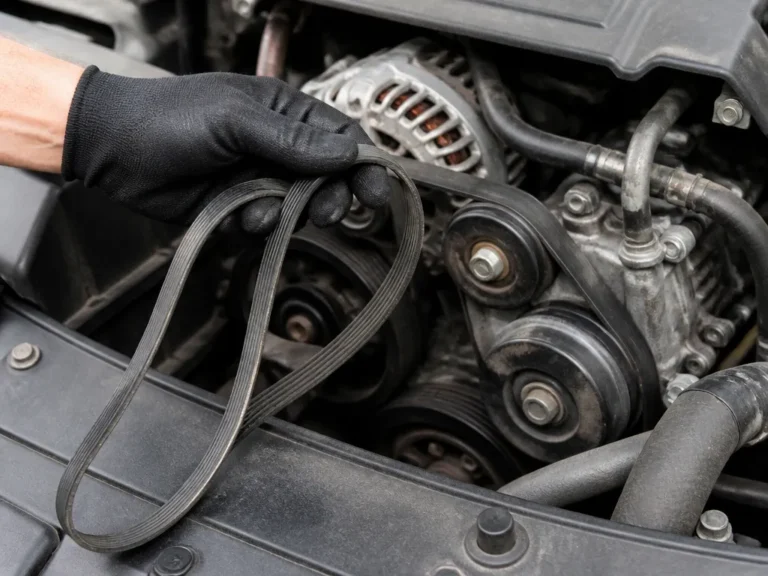
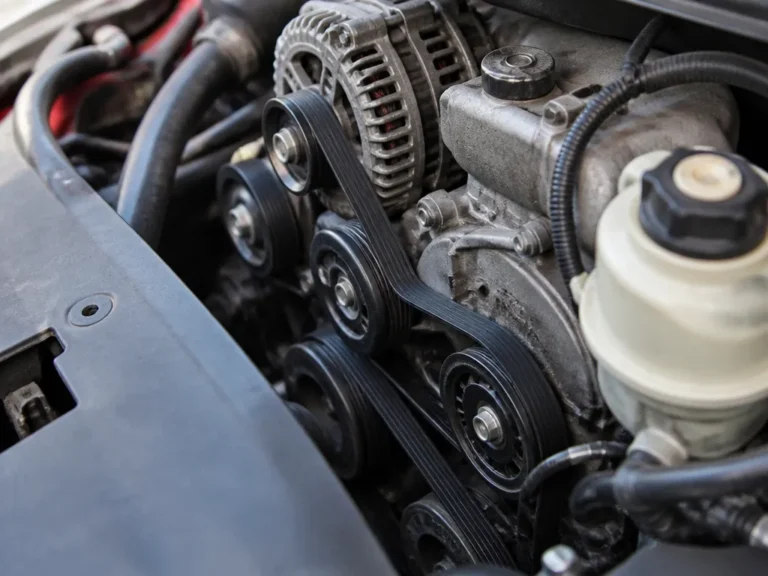
The serpentine belt transfers crankshaft rotation to accessories mounted around the engine. The exact arrangement varies, but many vehicles use it for several of the systems below.
Alternator and electrical charging. The belt often spins the alternator, which supplies electrical power while the engine runs and replenishes the battery. If the alternator stops turning, the battery may supply the vehicle’s electrical systems until its available charge is depleted. The resulting operating time varies with battery condition and electrical demand.
Power steering pump operation. Some vehicles use a belt-driven hydraulic power-steering pump. If that pump stops, steering effort can increase, particularly during low-speed manoeuvres. Vehicles with electric power steering may not be affected in the same way.
Water pump and cooling system. Some engines use the serpentine belt to drive a mechanical water pump. If that pump stops, coolant circulation can be affected and engine temperature may rise. Other vehicles use an electric water pump or a different drive arrangement.
Air-conditioning compressor and accessory loads. The belt often drives the air-conditioning compressor. Without belt rotation, the compressor may stop operating. Other accessories may also be connected to the same belt, depending on the engine.
What to take away for diagnosis. A combination of charging warnings, heavy steering, a rising temperature, and loss of air conditioning can point to a belt-drive problem. The belt path and the vehicle’s service information are needed to confirm which component has stopped working.
How Long Can You Drive After Belt Failure?

There is no safe universal number of minutes or miles after a serpentine belt fails. The safest target is to reach a safe stopping place and shut the engine off as soon as traffic conditions allow.
Practical rule: If the belt has failed and the engine is running, drive only the minimum distance needed to reach a safer position, if moving is unavoidable. A tow is safer than relying on an uncertain battery reserve or risking overheating.
What Should You Do If The Belt Breaks While Driving?
Prioritise a controlled stop. Belt failure can affect charging, cooling, steering assistance, or other accessories, and the consequences depend on the vehicle’s design.
While waiting, stay out of the roadway and monitor the situation from a safe position. Do not attempt to reinstall the belt near hot or moving components. A repair shop should inspect the belt, pulleys, tensioner, and driven accessories before the vehicle is driven again.
What Are The Risks And Costs Of Continuing To Drive?
Continuing to drive after serpentine-belt failure can turn a belt replacement into a larger repair. The result depends on which accessories the belt drove, how long the engine operated, and whether another component caused the belt to fail.
| Risk | What can happen | Likely repair scope |
|---|---|---|
| Loss of coolant circulation | If the belt drove the water pump, engine temperature may rise and continued operation may cause serious engine damage. | Inspection of the belt and cooling system; overheating may require further engine or cylinder-head diagnosis. |
| Loss of alternator drive | The battery stops receiving normal charge. Electrical systems may continue operating until the vehicle stalls or cannot restart. | Belt replacement, battery testing, and alternator or charging-system testing. |
| Failed tensioner or idler pulley | A replacement belt may come off again if a pulley is seized, loose, noisy, or misaligned. | Replacement of the failed pulley, tensioner, belt, or related hardware as required. |
| Belt debris or secondary damage | Broken belt material may interfere with nearby rotating parts or damage components around the belt path. | Removal of debris and inspection of the accessories, pulleys, covers, and guides in the belt path. |
| Loss of steering or climate-system assistance | A belt-driven power-steering pump or air-conditioning compressor may stop working. | Inspection of the affected accessory and the belt-drive system before replacing the belt alone. |
The belt may have failed because of age or wear, but it may also have been thrown by a seized alternator, compressor, tensioner, idler, or another accessory. Replacing only the visible belt is not enough until the cause has been identified.
Why The Repair Bill Is Difficult To Predict
There is no reliable universal cost for this repair. The total depends on the vehicle, belt layout, labour rate, failed accessory, and whether overheating occurred. Ask the repairer to identify the failed part, check for overheating, test the charging system, and verify belt alignment before approving the work.
Do not restart an engine that has overheated or lost coolant. A restart can add damage if the underlying problem involves the water pump or another seized accessory. Stopping early is generally less costly than turning a belt-drive failure into engine damage.
Are There Edge Cases Where The Belt Isn’t Required?
Some vehicles can keep particular functions working without a conventional serpentine belt. That does not make belt removal safe across the whole vehicle. The important question is which components the belt drives on that specific engine.
Electric Pumps And Electric Steering
An engine with an electric water pump may continue circulating coolant without a belt-driven pump. The alternator, air-conditioning compressor, or other accessories may still depend on the belt, however. Confirm the arrangement using the vehicle’s belt-routing diagram or service information.
Electric power steering creates a similar distinction. Its assist motor does not rely on a belt-driven hydraulic pump, so the loss of that pump may not remove steering assistance. Charging or another belt-driven function can still fail, so electric steering is not a reason to continue driving after belt failure.
Different Belt Layouts
Some vehicles use more than one belt or separate belts for accessories that share a serpentine belt in other designs. One belt failure may therefore disable some components while leaving others operating. Do not infer the layout from a similar-looking vehicle. Identify the failed belt and the components on its route.
Identify the failed belt and the components on its route before assuming the vehicle can move. If the owner’s manual does not clearly show that essential cooling and charging systems are independent, treat a broken belt as a stop-and-recover fault.
How Can You Prevent Belt Failures And Plan Maintenance?
Prevent belt failures by inspecting the belt-drive system, replacing worn parts when needed, and following the vehicle maker’s maintenance schedule. A new belt may fail early if a tensioner, pulley, or driven accessory is damaged.
Quick Summary
A car may continue running briefly after the serpentine belt breaks, but treat it as disabled and stop driving as soon as traffic conditions allow.
There is no safe universal number of minutes or miles after belt failure. Heat, traffic, weather, engine load, battery condition, and the exact accessory layout control the outcome.
Next action: Pull over safely, switch on the hazard lights, shut the engine off if overheating is suspected, and arrange roadside assistance or a belt-drive inspection before restarting.
Frequently Asked Questions
Is A Serpentine Belt The Same As A Timing Belt?
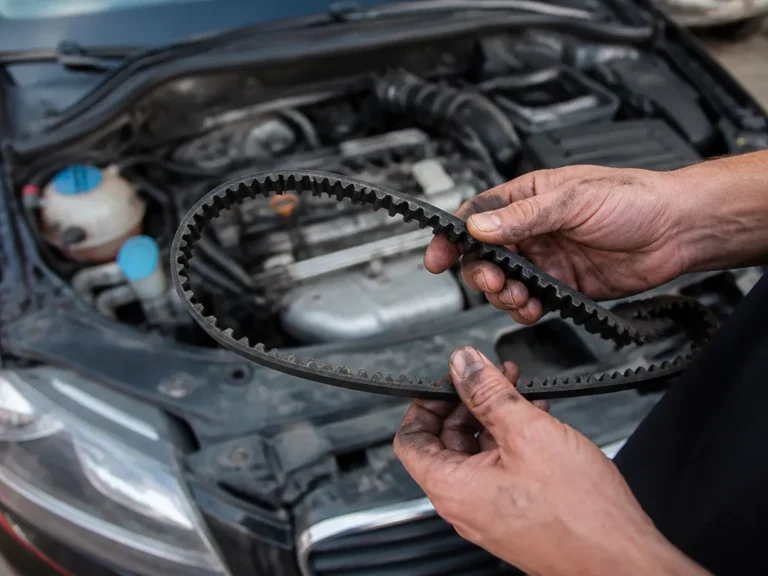
They are different parts with different jobs. A serpentine belt is an external accessory-drive belt, while a timing belt, where fitted, controls the engine’s internal timing. Ask the mechanic to identify which belt failed rather than relying on the word “belt.”
If The Belt Came Off But Is Not Visibly Broken, Can I Put It Back On And Drive?
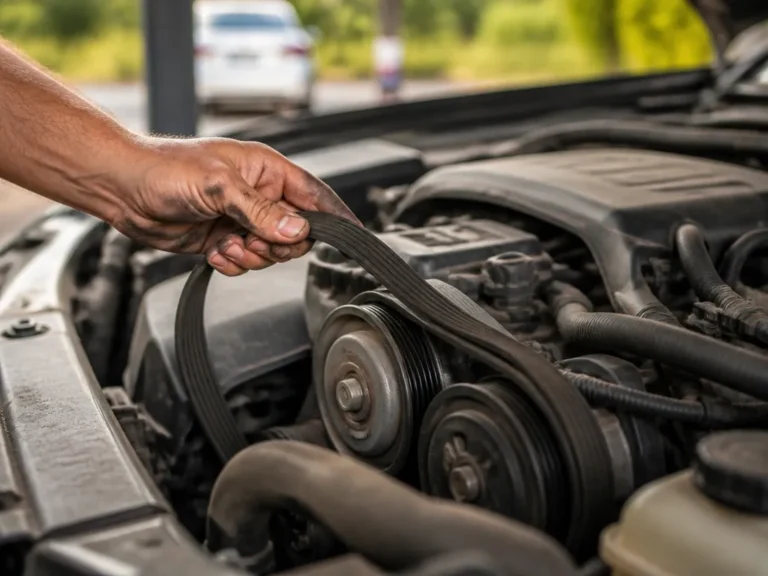
Treat a belt that has jumped off as a fault, not a simple reset. A failed tensioner, seized pulley, damaged accessory, misalignment, or belt damage may have caused it to leave the pulleys. Have the complete belt drive inspected before driving normally.
How Can I Find Out Exactly What My Car’s Serpentine Belt Drives?
Check the belt-routing diagram under the hood or in the vehicle manual, then compare the labelled pulleys with the components fitted to your engine. The layout varies by engine and equipment, so a diagram from a similar-looking car is not reliable evidence for yours. If no diagram is available, ask a repair shop to verify the routing using the vehicle identification details.
Why Can Two Repair Estimates For A Belt Failure Be So Different?
One estimate may cover only the belt, while another may include a tensioner, idler pulley, damaged pulley, or the accessory that caused the failure. Access around the engine and the specific belt layout also affect labour. Ask for an itemised estimate separating diagnosis, belt replacement, related parts, and testing.
Can A Mechanic Tell Whether The Alternator Or Another Accessory Caused The Belt Failure?
A proper diagnosis should include the belt path, tensioner, idlers, pulley alignment, and accessory rotation rather than replacing the belt alone. Ask what part failed, what evidence supports that conclusion, and which components were checked. A belt that failed without an identified cause needs further diagnosis before the repair is approved.
What Information Should I Give A Repair Shop Before Asking For Help?
Provide the vehicle’s year, make, model, engine, mileage if known, and whether the belt broke, slipped off, or is still present. Describe warning lights, unusual noise, steering changes, temperature movement, and whether the engine stopped. A photo of the belt area can help, but do not reach near moving or hot components to take one.